Relaxation Practices for Everyday Calm

Why relaxation practices matter in everyday life
Modern routines can move quickly, especially when work, travel, family life, and screen time all compete for attention. That is where relaxation practices become so valuable: they offer small, repeatable moments that help the body and mind settle into a steadier rhythm. Rather than being something reserved for special occasions, relaxation can be built into daily living in simple, realistic ways.
At its best, calm is not about doing nothing. It is about creating a little more space between stimulus and response. A few slow breaths before opening emails, a short pause in the car before heading indoors, or a quiet wind-down ritual at the end of the day can all support a greater sense of ease. Over time, these gentle habits can become part of a nourishing wellbeing routine.
For many South Africans, the pace of life is shaped by long commutes, changing schedules, power disruptions, and the mental load of managing many roles at once. That is why mindful breathing South Africa searches have become so common: people are looking for practical ways to protect their calm and wellness without overcomplicating things. The good news is that effective relaxation does not need special equipment or a perfect setting.
The role of mindful breathing in relaxation practices
Breathing is always available, which makes it one of the most accessible relaxation practices to learn. When breathing becomes slow, smooth, and unforced, it can create a noticeable shift in how the body feels and how the mind settles. This is less about controlling the breath and more about letting it become steady and natural again.
A simple breathing pattern to try
One of the easiest approaches is to lengthen the exhale slightly:
This rhythm can be used while sitting at a desk, waiting in traffic, or taking a quiet moment before sleep. If counting feels distracting, simply notice the breath moving in and out. The goal is not perfection, only presence.
Helpful breathing cues
A few minutes of mindful breathing can become a dependable anchor within a busy day. Many people find it helpful to pair breathing with a familiar cue, such as putting the kettle on, unlocking the front door, or starting a lunch break. That kind of repetition helps relaxation practices feel natural rather than forced.
Small relaxation habits that fit real life
The strongest relaxation routines are usually the ones that feel easy to repeat. Instead of aiming for a long session, think in terms of small pauses that fit into daily life.
Morning grounding
Start the day with one quiet minute before checking messages. Sit at the edge of the bed, feel the feet on the floor, and take three slow breaths. This creates a calmer transition into the day and sets a steady tone.
Midday reset
A short reset in the middle of the day can support natural stress support. Step outside, look at the sky, drink a glass of water slowly, and relax the shoulders. Even a brief shift in environment can make the nervous system feel less crowded.
Evening wind-down
In the evening, reduce stimulation where possible. Dim the lights, soften background noise, and keep a few minutes free for breathing or quiet stretching. Reading a few pages, listening to gentle music, or sitting with a warm mug can also support a restful mood.
Gentle body-based relaxation
The body often holds tension before the mind notices it. A quick body scan can help:
These small actions work well because they invite the body into comfort rather than demanding it into calm.
Creating calm and wellness with a simple routine
Calm and wellness are easier to nurture when the day includes a few dependable anchors. A routine does not need to be rigid; it only needs to be supportive. Think of it as a gentle framework that helps the mind know what to expect.
A balanced routine might include:
These habits can be especially helpful when life feels full. Instead of waiting for a free afternoon, the idea is to weave calm into ordinary moments. That way, relaxation becomes part of the rhythm of the day rather than an extra task.
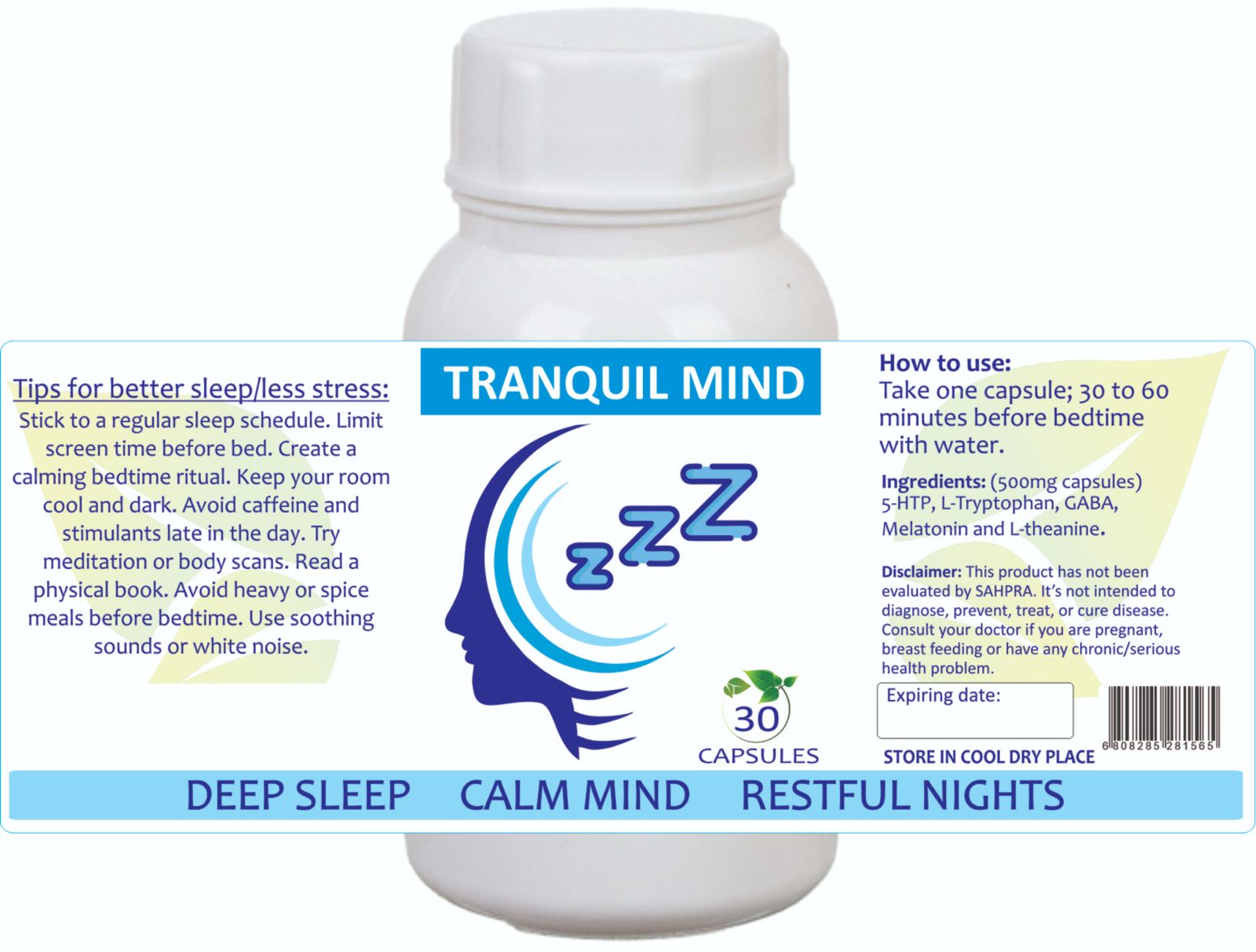
Natural supports can also fit into this picture. Some people like adding herbs, teas, or supplements to their broader wellness routine as part of natural stress support. For example, [Tranquil Mind](https://medicinelikefood.co.za/products/tranquil-mind-60-capsules) may appeal to those looking for a calm-focused addition to everyday wellness, while [L-Theanine](https://medicinelikefood.co.za/products/l-theanine) is often chosen for its gentle place in a balance-oriented routine. [Gaba Capsules](https://medicinelikefood.co.za/products/gaba-capsules) are another option that may fit comfortably alongside breathing, rest, and mindful habits.
Building mindful breathing South Africa routines that last
A sustainable practice is one that feels realistic in the context of local life. In South Africa, routines often need to work around long days, family commitments, and unpredictable schedules. That is why simplicity matters.
Make it visible
Place reminders where they will be seen: on the fridge, beside the kettle, or as a phone wallpaper. A small prompt can be enough to bring breathing practice back into focus.
Attach calm to existing habits
Pair relaxation with things already happening:
This makes the practice easier to remember and less dependent on motivation.
Keep it kind
There is no need to do every practice every day. Some days may call for two minutes of breathing; other days may only allow one deep exhale at a time. All of it counts. The aim is to support a calmer baseline, not to create another source of pressure.
For those who enjoy a fuller wellness cupboard, products such as [Magnesium & Zinc](https://medicinelikefood.co.za/products/magnesium-zinc) may be considered within a broader daily routine, especially when paired with nourishing food, movement, and rest. The key is to keep the focus on overall wellbeing and comfort.
A gentle way to return to yourself
Relaxation does not have to be elaborate to be meaningful. Often, the most powerful practices are the smallest ones done consistently: one slow breath, one quiet pause, one moment of soft attention. Over time, those moments can help shape a more settled, resilient, and centred daily experience.
The heart of mindful breathing is not escape; it is reconnection. When the breath slows and the shoulders drop, the day may feel a little more spacious. That is the quiet strength of relaxation practices: they help create room for calm and wellness in the middle of ordinary life.
If this approach resonates, explore more practical wellbeing ideas on our blog for everyday support and a grounded, natural routine.
Discover more on our [Wellness Journal](/blog?category=wellness) — practical insights for natural, everyday wellbeing.
Frequently Asked Questions
What are relaxation practices in everyday wellness?+
Relaxation practices are simple habits that help create a calmer pace, such as mindful breathing, gentle stretching, quiet pauses, and evening wind-down routines.
How can mindful breathing fit into a busy South African routine?+
Mindful breathing can be woven into daily moments like commuting, tea breaks, or bedtime. Even a few slow breaths can support a steadier, more grounded rhythm.
What makes a relaxation routine easier to keep up?+
The easiest routines are small, repeatable, and linked to existing habits. Starting with one or two simple practices makes consistency feel natural.
Can supplements be part of a calm and wellness routine?+
Some people include gentle supplements as part of a broader wellbeing routine alongside breathing, rest, movement, and nourishing meals. A simple, balanced approach is often the most supportive.
Products Mentioned
Explore the products featured in this article