Herbal Oxymels: The Ancient Honey-Vinegar Remedy and How to Use Them
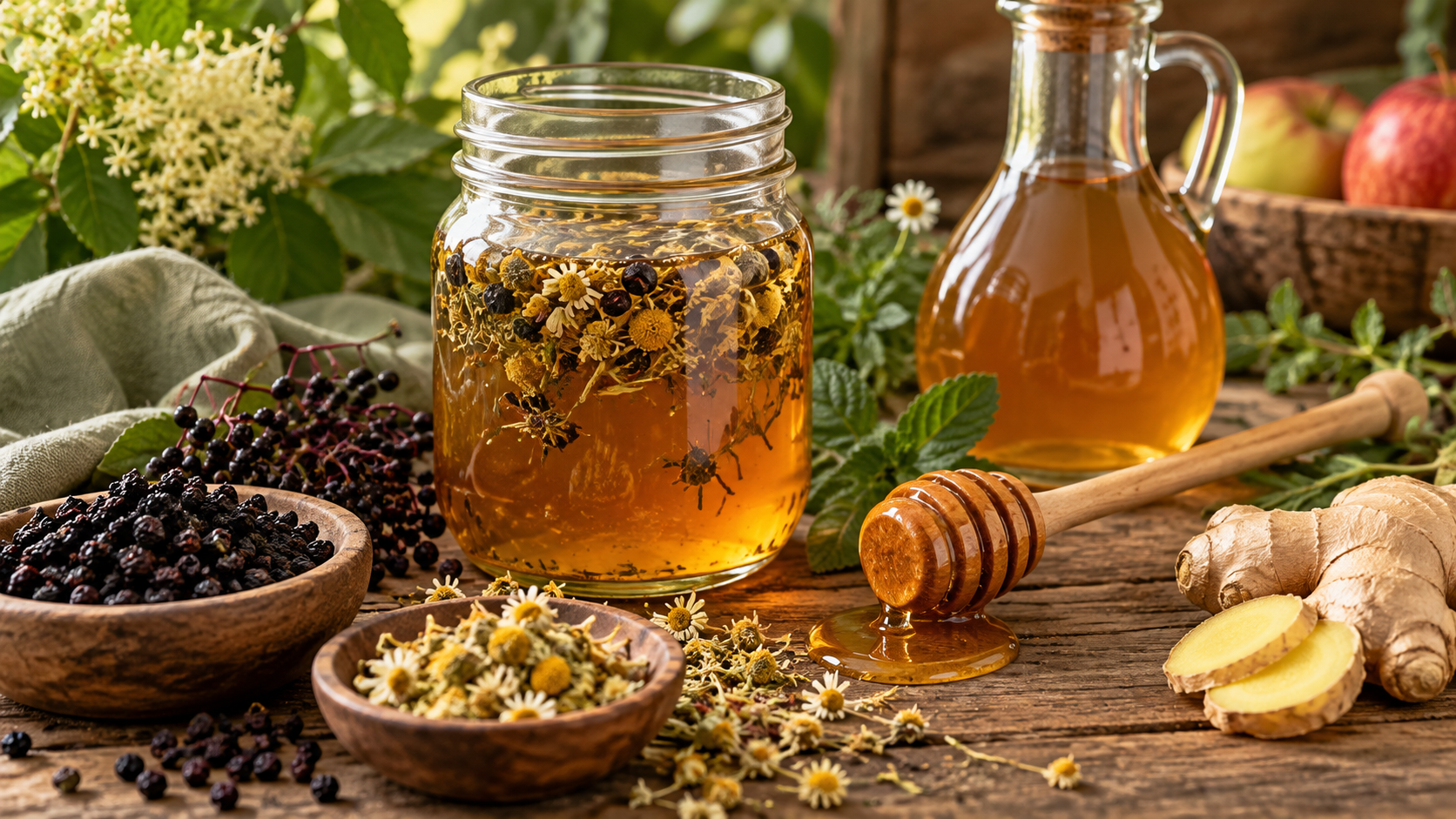
What Is an Oxymel? The Ancient Honey-Vinegar Remedy Explained
Long before capsules, tablets, or tinctures lined the shelves of health shops, healers across the ancient world were crafting a deceptively simple preparation from two pantry staples: honey and vinegar. They called it oxymeli — from the Greek oxys (acid) and meli (honey) — and for over 2,500 years, this sweet-and-sour base has served as one of the most versatile vehicles for herbal medicine ever devised.
Today, oxymels are experiencing a quiet renaissance. As more people seek out whole-food, minimally processed approaches to wellness, this ancient preparation is finding its way back into modern kitchens and herbal dispensaries alike. And for good reason: the combination of raw honey and raw apple cider vinegar creates a uniquely synergistic base that may actually enhance the bioavailability of the herbs infused within it — making your herbal remedy not just more palatable, but potentially more effective.
In this guide, we explore the history, the science, and the practical art of oxymels — including how to make your own at home, which herbs work best, and how ready-made oxymel formulas can offer the full benefit of this ancient tradition without the preparation time.
A 2,500-Year History of Healing
The oxymel''s story begins in Ancient Greece. Hippocrates — widely regarded as the father of Western medicine — prescribed oxymel in his On Regimen in Acute Diseases as a remedy for respiratory distress and to promote expectoration. Galen, the Roman physician, refined its use further, and by the medieval period, Persian and Islamic medical traditions had catalogued over 1,200 types of compound oxymels, each tailored to specific conditions.
Avicenna''s Canon of Medicine and Rhazes'' Comprehensive Book on Medicine both feature extensive oxymel preparations for conditions ranging from febrile illness to liver and digestive disorders. This knowledge eventually spread through Latin translations into medieval European apothecary practice, where oxymels remained a staple remedy well into the 19th century.
What is remarkable is not just the longevity of this preparation, but the consistency of its applications across vastly different cultures and medical traditions. Respiratory support, digestive comfort, antimicrobial action, and general vitality — these themes appear again and again, separated by centuries and continents, yet pointing to the same humble base of honey and vinegar.
The Science Behind the Sweet and Sour
Modern research is beginning to validate what traditional healers observed empirically. A 2023 systematic review published in Heliyon synthesised evidence from twenty studies — including twelve clinical trials and six animal studies — and found that oxymel exhibits positive effects on the cardiovascular system, along with significant antioxidant and anti-inflammatory properties. Potential clinical applications identified in the review include support for metabolic health, respiratory function, and antimicrobial activity.
Perhaps most striking is the synergistic relationship between honey and vinegar at the microbial level. A 2023 study published in the journal Microbiology found that when medical-grade honey and acetic acid (the primary active component of vinegar) are combined, they exhibit a "sweet and sour" synergistic antibacterial effect — killing significantly more bacteria in biofilm models than either ingredient alone. In some models, the combination was shown to be up to 1,000 times more effective against biofilms than vinegar alone.
How the Base Enhances Herbal Bioavailability
Beyond its own properties, the honey-vinegar base appears to act as an effective solvent and delivery system for herbal compounds. The acetic acid in vinegar extracts botanical constituents — particularly minerals, alkaloids, and phenolic compounds — that may be less accessible in water-based preparations. Meanwhile, honey provides a stabilising, palatable base that preserves the preparation and facilitates absorption.
This means that an oxymel is not simply a pleasant way to take herbs — it may genuinely improve the therapeutic value of the herbs it carries. The acid-sweet environment created by the base is believed to enhance the solubility and absorption of active plant compounds, making the oxymel a uniquely efficient delivery format.
Simple vs. Compound Oxymels: Understanding the Difference
Not all oxymels are the same. Traditional herbalists distinguish between two main types:
- Simple oxymel: A base preparation of honey and vinegar only, valued for the combined properties of these two ingredients alone. This is the foundational preparation — warming, antimicrobial, and digestive in its action.
- Compound oxymel: A simple oxymel base infused with one or more medicinal herbs, chosen to address specific wellness goals. This is where the real versatility of the format shines — the same base can be adapted for immune support, digestive comfort, respiratory health, nervous system calm, or energising vitality, simply by changing the herbs.
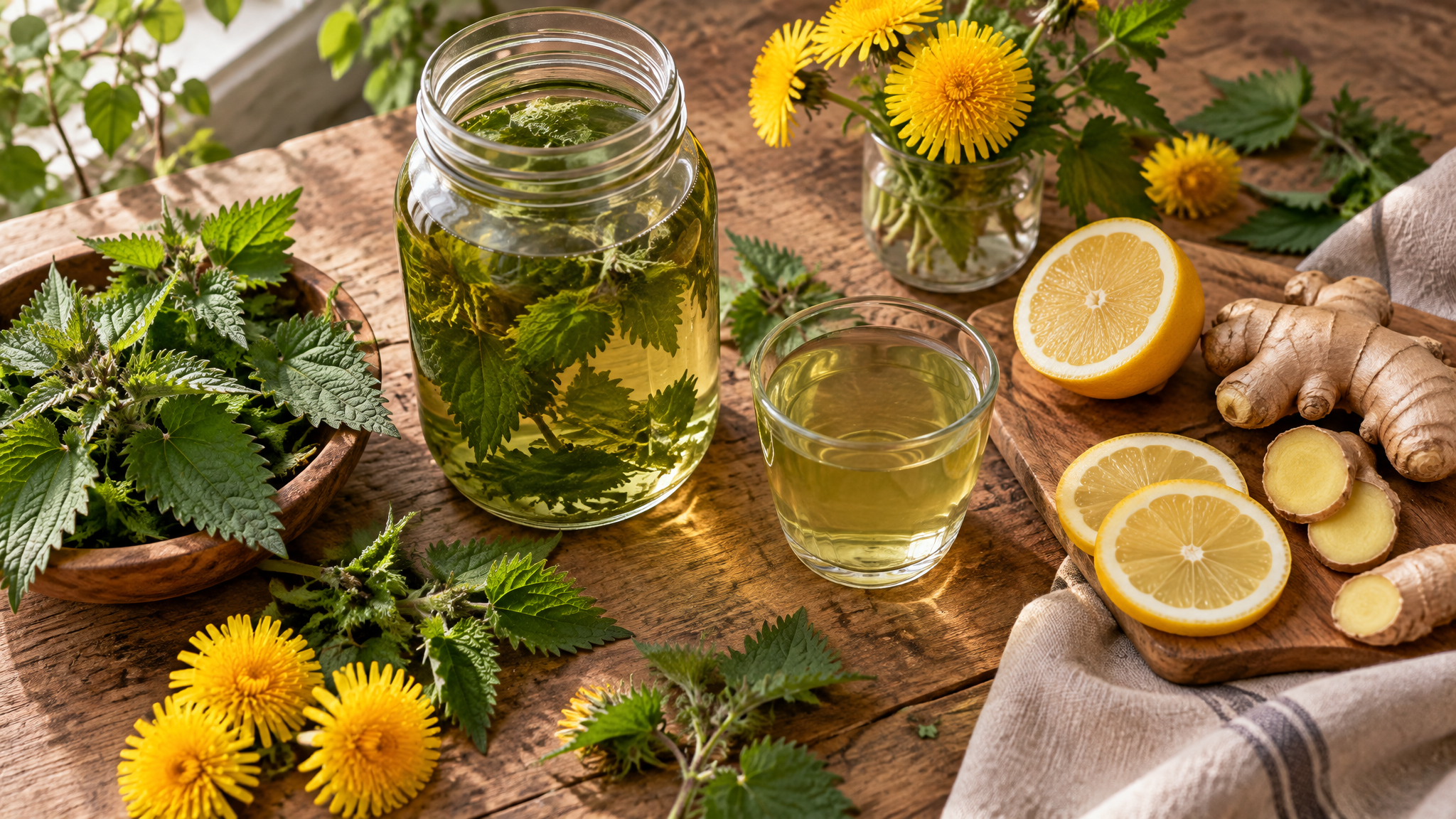
The herbs most traditionally used in compound oxymels include thyme, elderberry, mullein, and hyssop for respiratory support; ginger, dandelion root, and fennel for digestive wellness; nettle, lemon balm, and chamomile for nervous system support; and garlic, turmeric, and echinacea for immune function.
How to Make a Basic Herbal Oxymel at Home
Making your own oxymel is a rewarding and surprisingly simple process. You will need raw, unpasteurised honey (to preserve its beneficial enzymes and microbial communities), raw apple cider vinegar with the "mother" intact, and your chosen dried or fresh herbs.
What You Need
- 1 part raw apple cider vinegar (with the mother)
- 1 part raw honey (local and unpasteurised where possible)
- 2–4 tablespoons of dried herbs per 250ml of base (or double for fresh herbs)
- A clean glass jar with a non-metal lid (or a metal lid lined with baking paper, as vinegar corrodes metal)
The Cold Infusion Method (Preferred)
- Place your chosen herbs in a clean glass jar.
- Mix equal parts raw honey and raw apple cider vinegar in a separate bowl until well combined.
- Pour the honey-vinegar mixture over the herbs, ensuring they are fully submerged.
- Seal the jar (use a plastic lid or line a metal lid with baking paper) and shake gently.
- Store in a cool, dark place for two to four weeks, shaking daily.
- Strain through a fine mesh or cheesecloth, pressing the herbs to extract all liquid.
- Bottle in a clean glass jar and label with the date and herbs used.
The finished oxymel will keep for several months at room temperature, or longer when refrigerated. A typical dose is one to two teaspoons, taken straight or diluted in a small glass of water, one to three times daily.
The Heat Method (For Roots and Barks)
For tougher plant material — roots, bark, or seeds — a gentle heat method can improve extraction. Simmer your herbs in the vinegar over low heat for 20–30 minutes, allow to cool completely, then strain and combine with the honey. Never add honey to hot liquid, as heat destroys its beneficial enzymes and antimicrobial compounds.
Herb Combinations to Try This Spring
Spring in South Africa is a season of renewal — the perfect time to support the body''s natural detoxification pathways, lift energy after winter, and prepare the immune system for the warmer months ahead. Here are four oxymel combinations well-suited to the season:
- Spring Immune Oxymel: Elderberry, echinacea, and thyme — traditionally used for immune resilience and respiratory comfort.
- Digestive Renewal Oxymel: Dandelion root, ginger, and fennel — traditionally used to support appetite, digestion, and gentle liver function.
- Calm and Focus Oxymel: Lemon balm, chamomile, and rosemary — traditionally used for nervous system support, mental clarity, and stress resilience.
- Energy and Vitality Oxymel: Ashwagandha, ginger, and nettle — traditionally used for sustained energy, mineral replenishment, and adaptogenic support.
Ready-Made Oxymel Formulas: The Convenient Alternative
While making your own oxymel is a deeply satisfying practice, it does require time, sourcing quality ingredients, and a degree of herbal knowledge to select and combine herbs safely. For those who want the full benefit of this ancient format without the preparation, professionally formulated oxymel products offer a convenient and consistent alternative.
At Medicine Like Food, several of our most popular multi-herb formulas are available in both tincture and oxymel format — giving you the choice of an alcohol-based extraction or the traditional honey-and-apple-cider-vinegar base. Each formula is crafted with the same care and intention as a hand-made preparation, using quality botanical ingredients in a base that honours the ancient oxymel tradition.
- Immunotone Oxymel — A multi-herb botanical formula with Turmeric, Turkey Tail, Holy Basil, and Ashwagandha, traditionally used for immune function and general wellness. Available in tincture or oxymel format.
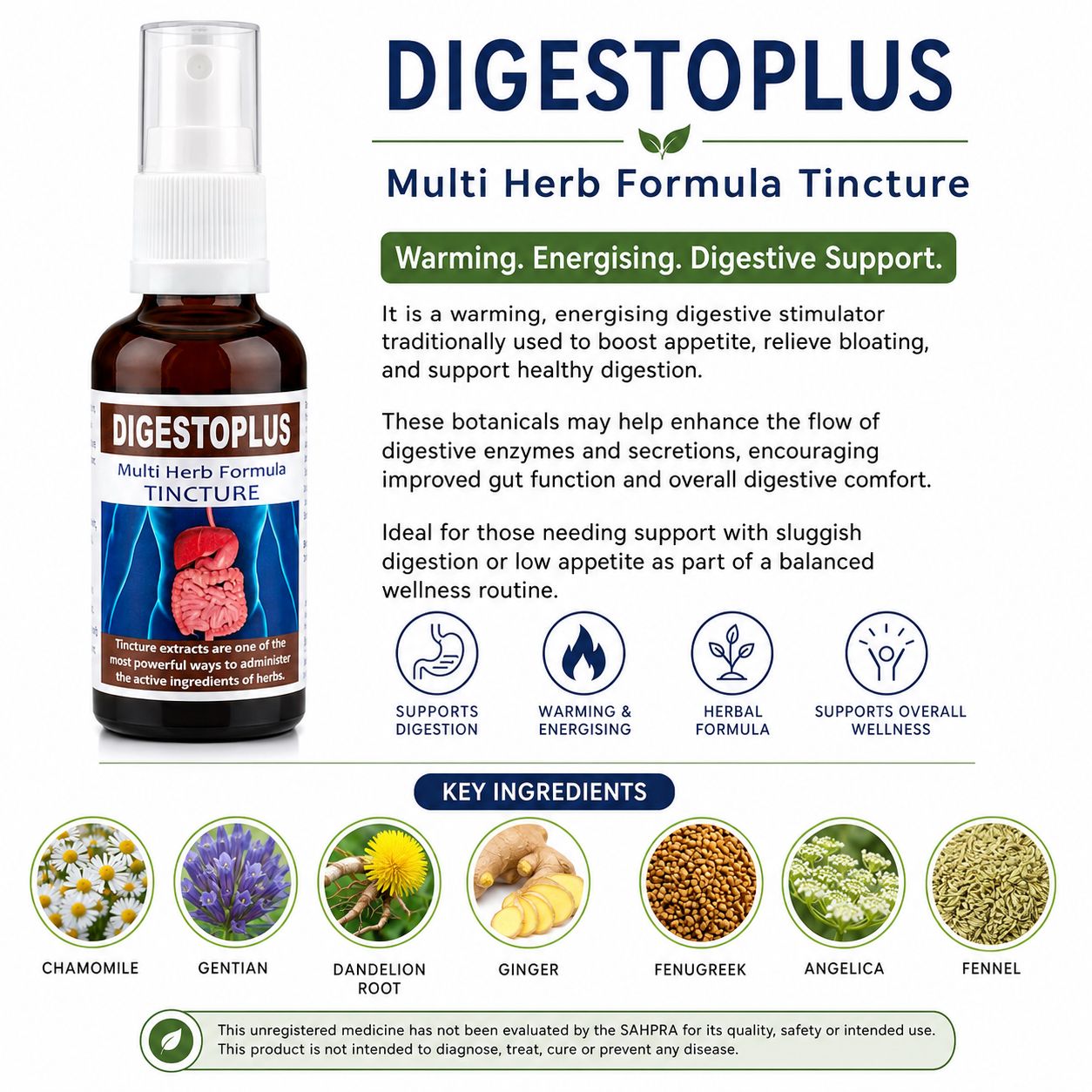
- Digestoplus Oxymel — A digestive wellness formula with Chamomile, Gentian, Dandelion Root, Ginger, and Fenugreek, traditionally used to support appetite, digestion, and nutrient absorption.
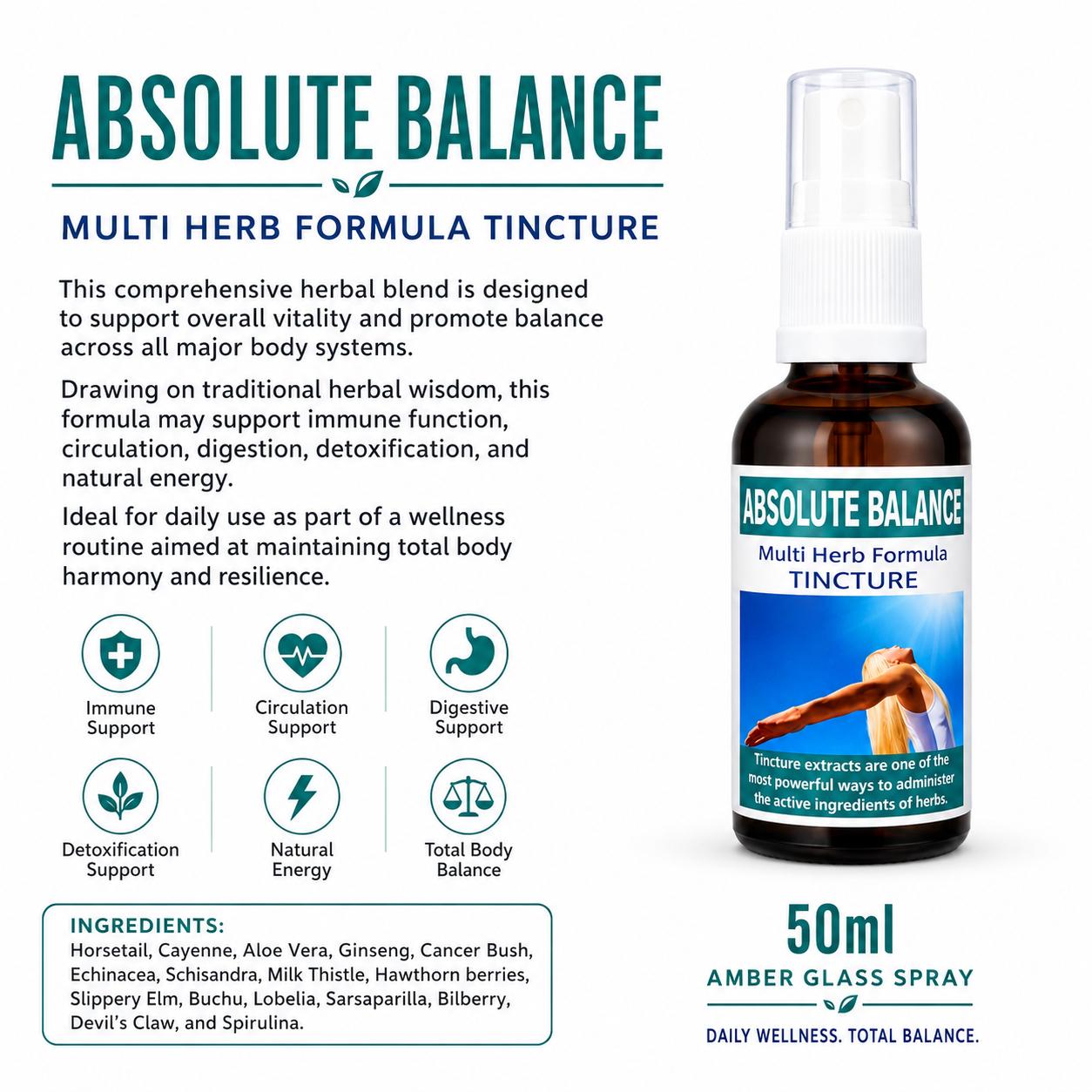
- Absolute Balance Oxymel — A total body system formula with Ginseng, Echinacea, Milk Thistle, Hawthorn, and Spirulina, traditionally used for whole-body cleansing and regulation.
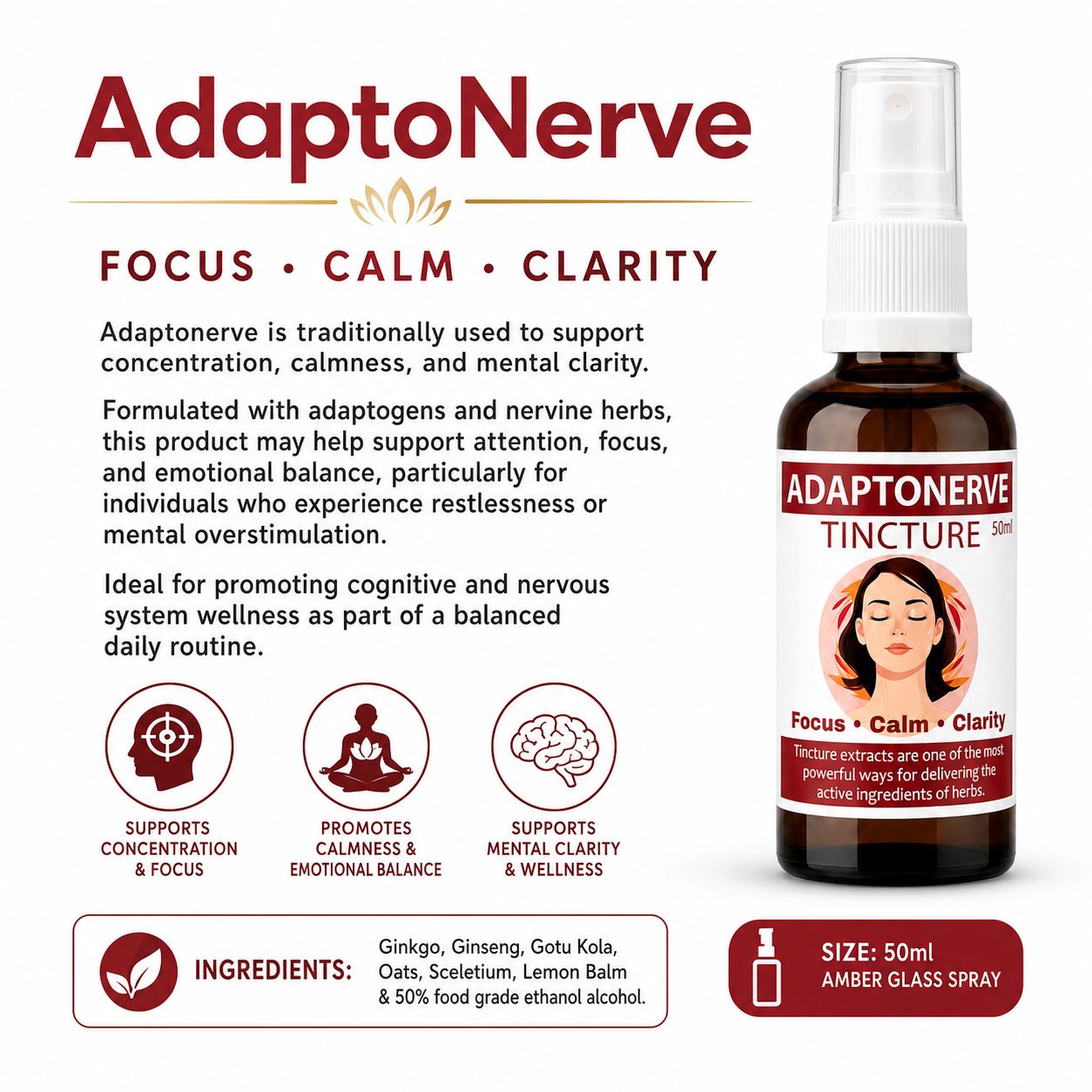
- Adaptonerve Oxymel — A calming adaptogen formula with Lemon Balm, Gotu Kola, and Sceletium, traditionally used for nervous system support and everyday calm.
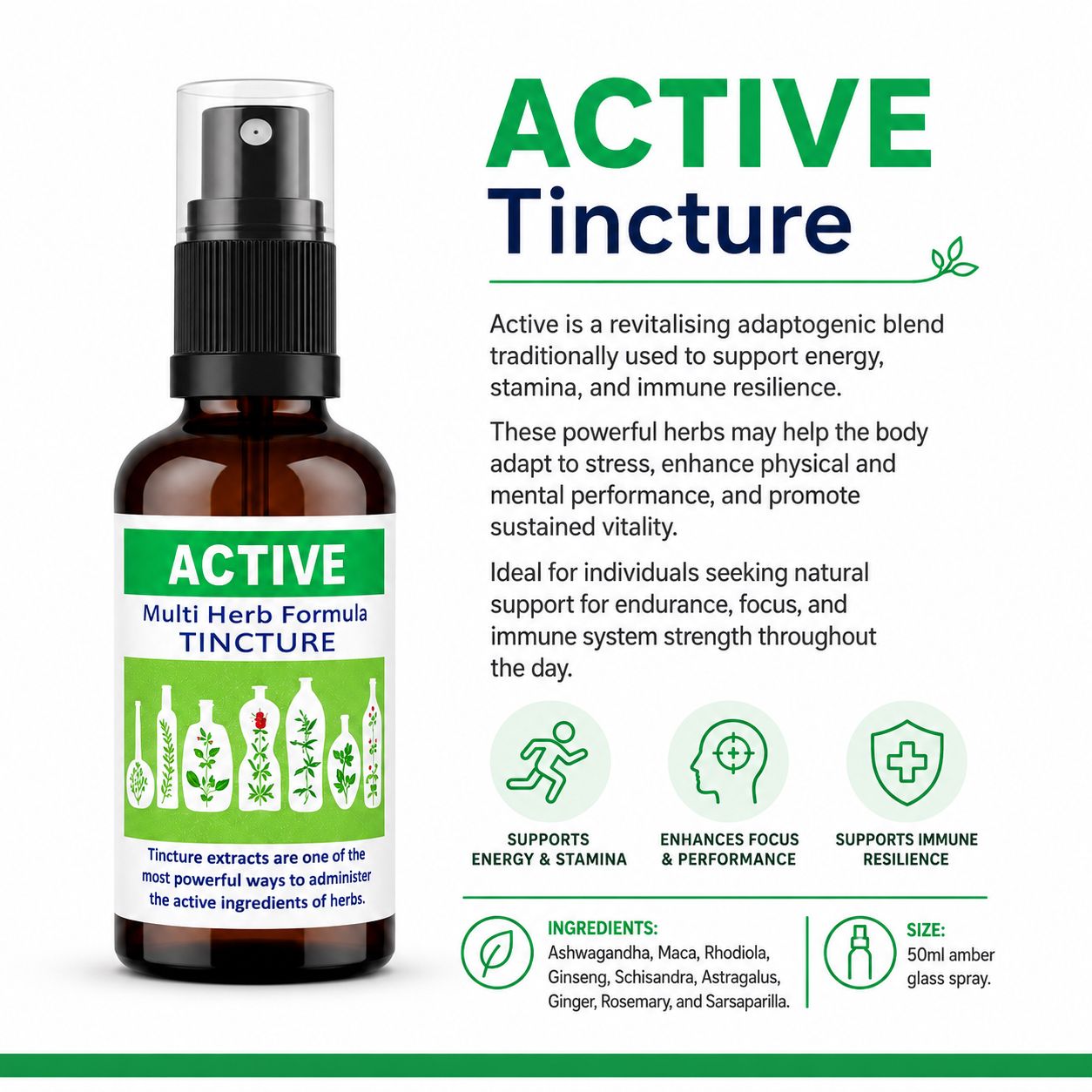
- Active Oxymel — An energising adaptogen blend with Maca, Ashwagandha, Rhodiola, Ginseng, and Schisandra, traditionally used for energy, stamina, and vitality.
Each of these formulas is available in the oxymel format — meaning the herbs are extracted in a base of raw honey and apple cider vinegar, just as traditional herbalists have done for millennia. If you are new to herbal medicine or prefer to avoid alcohol-based preparations, the oxymel format is an excellent starting point.
What the Research Tells Us (and What It Doesn''t)
It is important to approach the research on oxymels with appropriate nuance. While the 2023 systematic review in Heliyon identified promising evidence across cardiovascular, metabolic, and antimicrobial applications, the authors also noted that many studies were small, short-term, or conducted in animal models. Larger, long-term clinical trials are needed to establish standardised protocols and fully elucidate the therapeutic potential of specific compound oxymels.
What we can say with confidence is that the individual components of a well-made oxymel — raw honey, raw apple cider vinegar, and quality medicinal herbs — each have their own body of supporting evidence. The synergistic combination of these ingredients, as demonstrated in the 2023 Microbiology study, adds a further dimension of interest that warrants continued research.
As with all herbal preparations, the oxymel is best understood as a supportive wellness tool — one that complements a balanced diet, adequate sleep, regular movement, and appropriate medical care, rather than replacing any of these foundations.
Safety, Precautions, and Who Should Take Care
Oxymels are generally considered safe for most healthy adults when used as directed. However, there are some important considerations to keep in mind:
- Infants under 12 months: Raw honey must never be given to children under one year of age due to the risk of infant botulism. This applies to any preparation containing raw honey, including oxymels.
- Dental health: The acidity of vinegar may contribute to enamel erosion with frequent use. It is advisable to dilute your oxymel in water, use a straw, or rinse your mouth with water after taking it.
- Acid reflux and digestive sensitivity: Those with active acid reflux, gastritis, or oesophageal conditions should consult a healthcare professional before using vinegar-based preparations regularly.
- Medication interactions: Some herbs used in compound oxymels may interact with medications. If you are taking prescription medication, consult your healthcare provider or a qualified herbalist before adding a new herbal preparation to your routine.
- Pregnancy and breastfeeding: While some herbs used in oxymels are considered safe during pregnancy, others are not. Always consult a qualified healthcare professional before using herbal preparations during pregnancy or while breastfeeding.
- Diabetes: Oxymels contain honey, which is a source of natural sugars. Those managing blood sugar levels should factor this into their daily intake and consult their healthcare provider.
The information in this article is for educational purposes only and does not constitute medical advice. Always consult a qualified healthcare professional before starting any new supplement or herbal preparation, particularly if you have an existing health condition or are taking medication.
Bringing an Ancient Tradition Into Your Modern Wellness Routine
There is something quietly profound about the oxymel. In a world of increasingly complex supplements and novel delivery systems, this ancient preparation reminds us that some of the most effective wellness tools are also the simplest — a spoonful of honey, a splash of vinegar, and the patient wisdom of herbs that have been used for thousands of years.
Whether you choose to craft your own oxymel at home, exploring the meditative rhythm of cold infusion and patient waiting, or you reach for a professionally formulated oxymel that brings the same tradition to your daily routine with ease — the principle is the same. You are participating in a lineage of herbal wisdom that stretches back to Hippocrates, through the great Persian physicians, and into the kitchens and apothecaries of every culture that has ever sought to heal with what the earth provides.
This spring, as the natural world renews itself, consider adding an oxymel to your wellness toolkit. Start simply — a teaspoon in warm water each morning, or a small dose before meals to support digestion. Notice how your body responds. And if you want to go deeper into the world of herbal formulation, explore the full range of oxymel formulas available at Medicine Like Food — each one a bridge between ancient tradition and modern botanical science.
Products Mentioned
Explore the products featured in this article