Herbal Digestive Bitters: Four Recipes for Natural Digestive Wellness
What Are Herbal Digestive Bitters?
Before refrigeration, before antacids, before the modern pharmacy — there were bitters. For thousands of years, healers across Europe, Asia, and Africa prepared concentrated herbal extracts from roots, barks, and leaves with one thing in common: an intensely bitter taste. Far from being a flaw, that bitterness was the medicine itself.
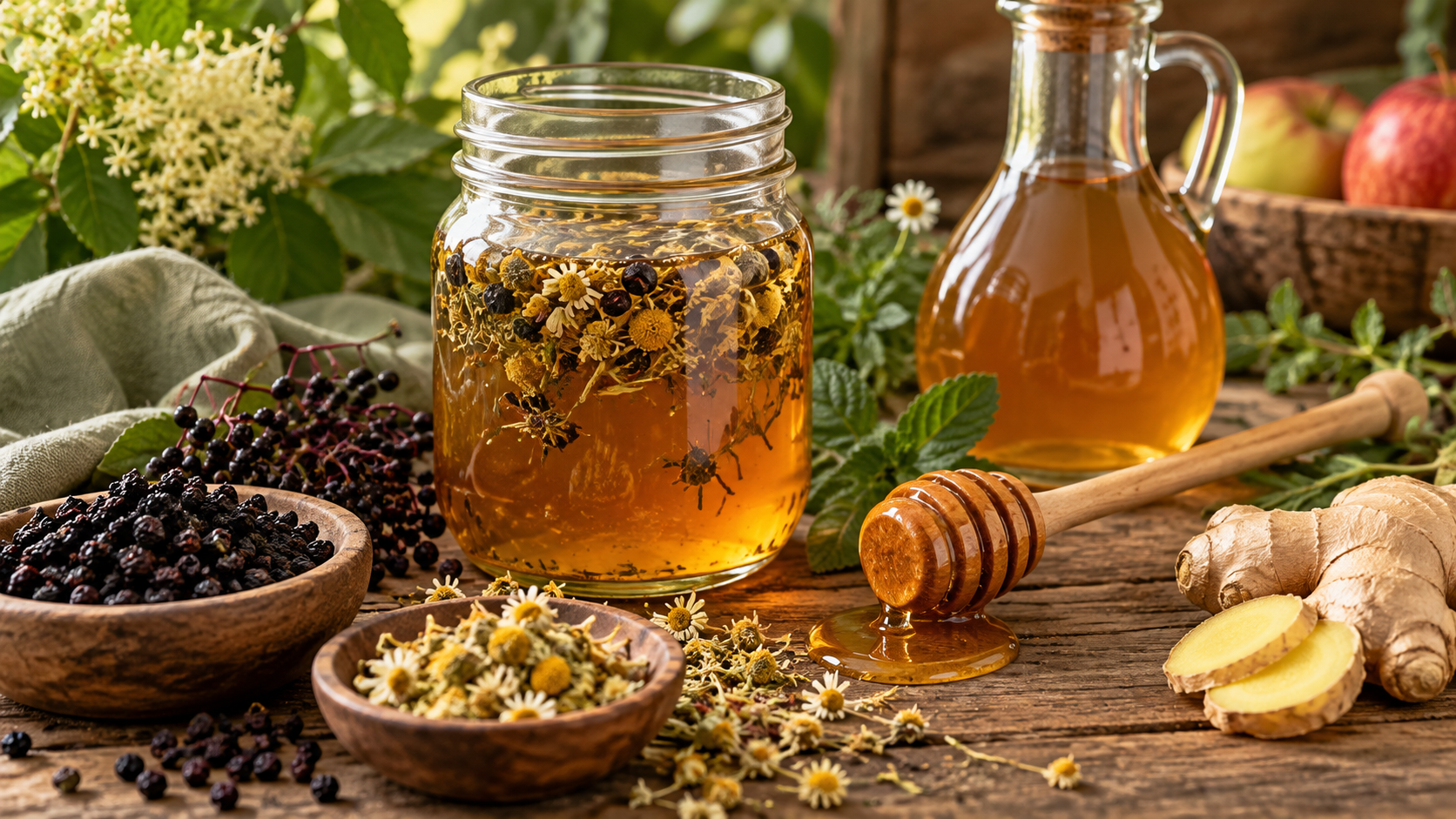
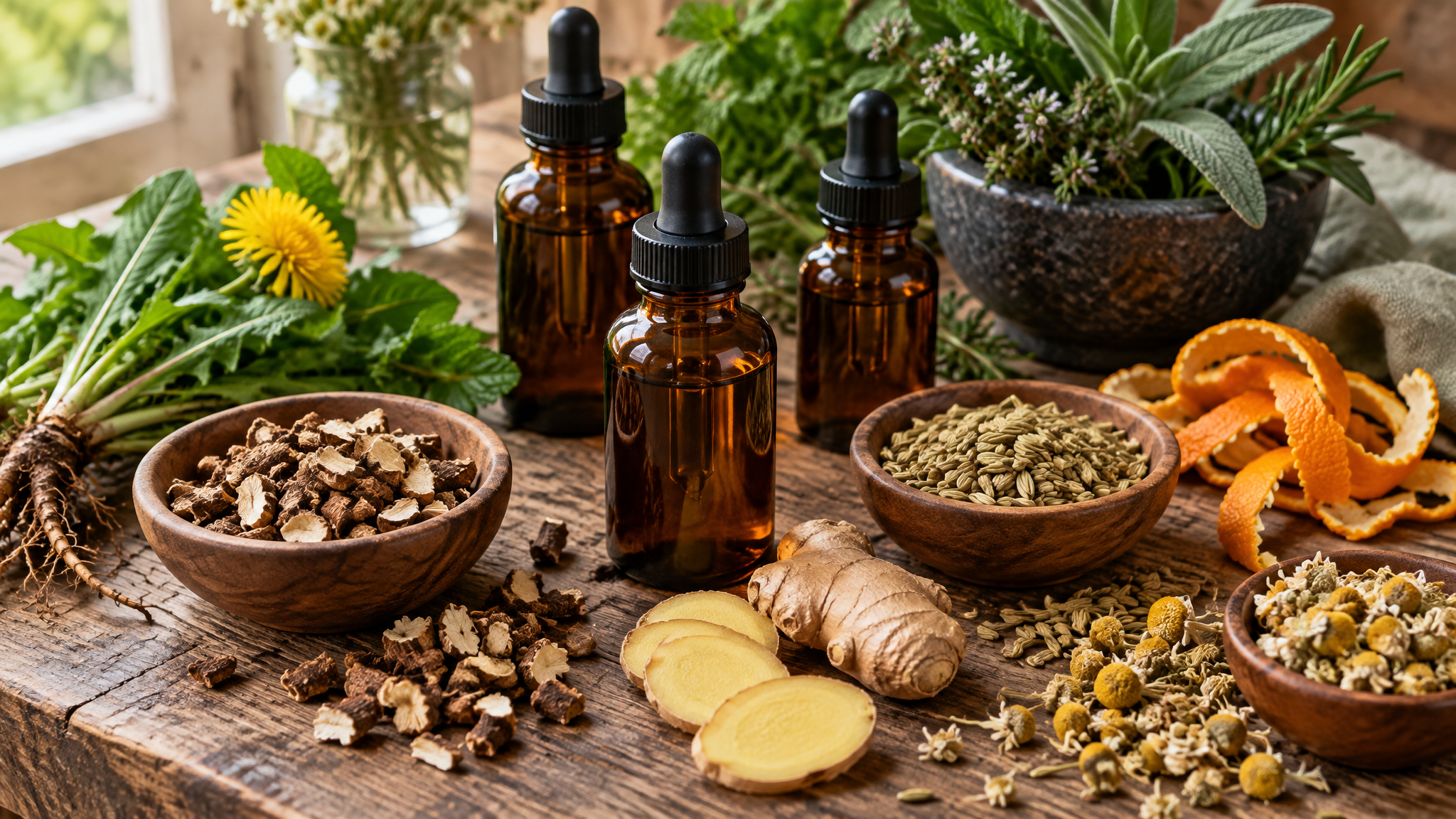
Herbal digestive bitters are concentrated liquid preparations — traditionally made by macerating bitter-tasting herbs in alcohol or apple cider vinegar — designed to be taken in small amounts before or after meals. A few drops on the tongue is all it takes to set off a cascade of digestive activity that prepares your body to receive, break down, and absorb food more effectively.
In this guide, we explore the traditional wisdom and emerging science behind digestive bitters, walk you through four simple recipes you can make at home, and share how to incorporate them into your everyday wellness routine. Whether you are new to herbal medicine or deepening an existing practice, bitters offer one of the most accessible and time-honoured ways to support your digestive health naturally.
The Science Behind the Bitter Taste
Bitterness is the most complex of the five basic tastes, and for good reason — it is the body's primary warning system against potentially toxic compounds. But in the context of medicinal herbs, this same mechanism becomes a powerful tool for digestive wellness.
How Bitter Taste Receptors Work
When bitter compounds touch the tongue, they activate a family of G-protein coupled receptors known as TAS2Rs (bitter taste receptors). These receptors are not only found on the tongue — they are distributed throughout the gastrointestinal tract, including the stomach, small intestine, and colon. When activated, they trigger a signalling cascade via the vagus nerve that prepares the entire digestive system for the work ahead.
The physiological responses include:
- Increased saliva production — the first step in carbohydrate digestion
- Stimulation of stomach acid (HCl) — essential for protein breakdown and mineral absorption
- Release of digestive enzymes — from the pancreas and small intestine
- Promotion of bile flow — from the liver and gallbladder, critical for fat digestion
- Support for gastric motility — helping food move through the digestive tract at a healthy pace
What the Research Shows
A 2024 randomised, placebo-controlled crossover study published in Planta Medica found that a commercial bitter herbal supplement significantly reduced the frequency of flatulence in healthy adults over a 48-hour period following a meal. Approximately 52–60% of participants were identified as "responders" for various digestive endpoints, suggesting that individual variation plays a meaningful role in how bitters work.
A 2024 systematic review and meta-analysis published in Clinical Nutrition found that chronic interventions with bitter compounds may reduce postprandial blood glucose levels, particularly in individuals with impaired glycaemia — a finding that points to bitters' broader metabolic potential beyond simple digestion.
Research published in Foods (2024) further highlighted that diets rich in bitter compounds — including polyphenols, alkaloids, and terpenoids found in herbs, coffee, and certain vegetables — are associated with protective effects against metabolic and chronic conditions, including hypertension and oxidative stress.
It is important to note that while these findings are promising, the clinical evidence is still developing. Bitters are best understood as a traditional wellness practice with growing scientific support, rather than a medically proven treatment for specific conditions.
The Key Herbs in Digestive Bitters
A well-crafted bitters formula balances two types of herbs: primary bitter herbs that provide the digestive stimulus, and warming or aromatic herbs that add flavour complexity and complementary benefits.
Primary Bitter Herbs
- Gentian Root (Gentiana lutea) — One of the most potent bitter herbs known, traditionally used for over 3,000 years. Gentian is traditionally used to enhance stomach acid and enzyme production, making it particularly valued for protein and fat digestion. It has a deeply bitter, earthy flavour that forms the backbone of many classic bitters formulas.
- Dandelion Root (Taraxacum officinale) — A gentler bitter that also supports liver function and provides prebiotic inulin, which feeds beneficial gut bacteria. Dandelion root is one of the most versatile and accessible bitter herbs, and it is traditionally used to support both digestive and liver wellness.
- Burdock Root (Arctium lappa) — A mild bitter with a slightly sweet, earthy flavour. Traditionally used to support liver health and gentle detoxification, burdock pairs beautifully with dandelion in spring and summer formulas.
- Artichoke Leaf (Cynara scolymus) — Traditionally used to stimulate bile production and support fat digestion. Studies have shown artichoke leaf extract to support liver function and reduce symptoms of indigestion.
Warming and Aromatic Herbs
- Ginger Root (Zingiber officinale) — A warming carminative traditionally used to reduce bloating, ease nausea, and support gastric emptying. Ginger adds a pleasant heat to bitters formulas and is one of the most well-researched digestive herbs.
- Fennel Seed (Foeniculum vulgare) — Traditionally used to relieve flatulence and soothe the gastrointestinal tract. Fennel's sweet, anise-like flavour balances the intensity of bitter roots beautifully.
- Cinnamon Bark (Cinnamomum verum) — A warming spice traditionally used to support digestion and blood sugar balance. Cinnamon adds warmth and sweetness to bitters without sugar.
- Orange Peel — Citrus peels contain aromatic compounds that support the secretion of gastric fluids and add a bright, pleasant flavour to bitters. They act as a bridge between the bitter and aromatic components.
- Chamomile Flowers (Matricaria chamomilla) — Traditionally used to soothe the digestive tract, reduce cramping, and ease nervous digestion. Chamomile adds a gentle floral note and calming quality to bitters blends.
Four Herbal Bitters Recipes to Make at Home
Each of the following recipes uses a base of apple cider vinegar (ACV) as an alcohol-free alternative, making them accessible to those who prefer to avoid alcohol. If you prefer a traditional alcohol-based preparation, substitute the ACV with 50% ABV vodka or brandy. All recipes yield approximately 250ml of finished bitters.
Recipe 1: Classic Digestive Bitters
This is the foundational recipe — a balanced blend of bitter and warming herbs that supports overall digestive function before meals.
You will need:
- 2 tablespoons dried dandelion root
- 1 tablespoon dried gentian root (use sparingly — it is very potent)
- 1 tablespoon dried ginger root
- 1 teaspoon fennel seeds
- Peel of 1 orange (dried)
- 250ml raw apple cider vinegar (or 50% ABV vodka)
Method:
- Coarsely chop or crack the dried roots and seeds using a mortar and pestle to increase surface area.
- Place all herbs and orange peel into a clean glass jar.
- Pour the apple cider vinegar over the herbs until fully submerged. Seal tightly.
- Store in a cool, dark place for 3–4 weeks, shaking daily.
- Strain through a fine mesh or cheesecloth into amber glass dropper bottles.
- Take 20–30 drops (approximately ¼ teaspoon) on the tongue or in a small glass of water 10–15 minutes before meals.
Recipe 2: Spring Liver and Digestive Tonic Bitters
Inspired by traditional spring cleansing practices, this formula combines liver-supportive bitter herbs with warming spices. It is particularly well-suited to the South African spring season (September–November), when the body naturally moves toward renewal and lighter eating.
You will need:
- 2 tablespoons dried dandelion root
- 1 tablespoon dried burdock root
- 1 tablespoon dried milk thistle seeds (lightly crushed)
- 1 teaspoon dried ginger root
- 1 teaspoon cinnamon bark pieces
- ½ teaspoon dried turmeric root
- 250ml raw apple cider vinegar
Method:
- Lightly crush the milk thistle seeds and cinnamon bark to open them up.
- Combine all herbs in a glass jar and cover with apple cider vinegar.
- Seal and store in a cool, dark place for 4 weeks, shaking daily.
- Strain and bottle in amber glass dropper bottles.
- Take 20–30 drops before meals, or add to a small glass of warm water with a squeeze of lemon as a morning tonic.
Recipe 3: Gentle Chamomile and Fennel Digestive Bitters
This is a softer, more approachable formula — ideal for those new to bitters, those with sensitive digestion, or anyone who experiences nervous digestion (digestive discomfort linked to stress or anxiety). The chamomile and fennel provide a calming, carminative quality alongside the gentle bitterness of dandelion.
You will need:
- 2 tablespoons dried dandelion root
- 2 tablespoons dried chamomile flowers
- 1 tablespoon fennel seeds
- 1 teaspoon dried lemon peel
- ½ teaspoon dried ginger root
- 250ml raw apple cider vinegar
Method:
- Lightly crush the fennel seeds.
- Combine all ingredients in a glass jar and cover with apple cider vinegar.
- Seal and store for 3 weeks in a cool, dark place, shaking daily.
- Strain and bottle.
- Take 20–30 drops before or after meals. This formula is also pleasant added to herbal tea.
Recipe 4: Warming Spice Bitters for After-Meal Comfort
This aromatic, warming formula is designed for after meals — particularly heavier meals — to support digestion and ease the feeling of fullness. The combination of cinnamon, ginger, and cardamom creates a flavour profile reminiscent of chai, making it one of the most enjoyable bitters to take.
You will need:
- 1 tablespoon dried dandelion root
- 1 tablespoon dried ginger root
- 1 teaspoon cinnamon bark pieces
- 1 teaspoon cardamom pods (lightly crushed)
- 1 teaspoon fennel seeds
- Peel of 1 orange (dried)
- 3–4 whole cloves
- 250ml raw apple cider vinegar
Method:
- Lightly crush the cardamom pods and cinnamon bark.
- Combine all ingredients in a glass jar and cover with apple cider vinegar.
- Seal and store for 3–4 weeks, shaking daily.
- Strain and bottle in amber glass dropper bottles.
- Take 20–30 drops after meals, or add to sparkling water with a slice of orange for a sophisticated digestive drink.
How to Use Digestive Bitters
The traditional method is simple: place a few drops directly on the tongue 10–15 minutes before meals. The bitter taste itself is the trigger — it signals the digestive system to prepare. Diluting bitters in water before they touch the tongue reduces their effectiveness, so if you are taking them for digestive support, direct tongue contact is preferred.
That said, bitters can also be enjoyed in other ways:
- In sparkling water — a few drops in a glass of sparkling water with citrus makes a pleasant pre-meal aperitif
- In herbal tea — add to chamomile or peppermint tea after meals
- As a morning tonic — a few drops in warm water with lemon first thing in the morning supports liver and digestive function
- In cooking — a few drops can be added to salad dressings, marinades, or sauces
Supporting Your Digestive Wellness Further
Homemade bitters are a wonderful starting point, and for those who want to go deeper into digestive herbal support, our range of professionally formulated products offers full-spectrum digestive wellness in convenient, ready-to-use formats.
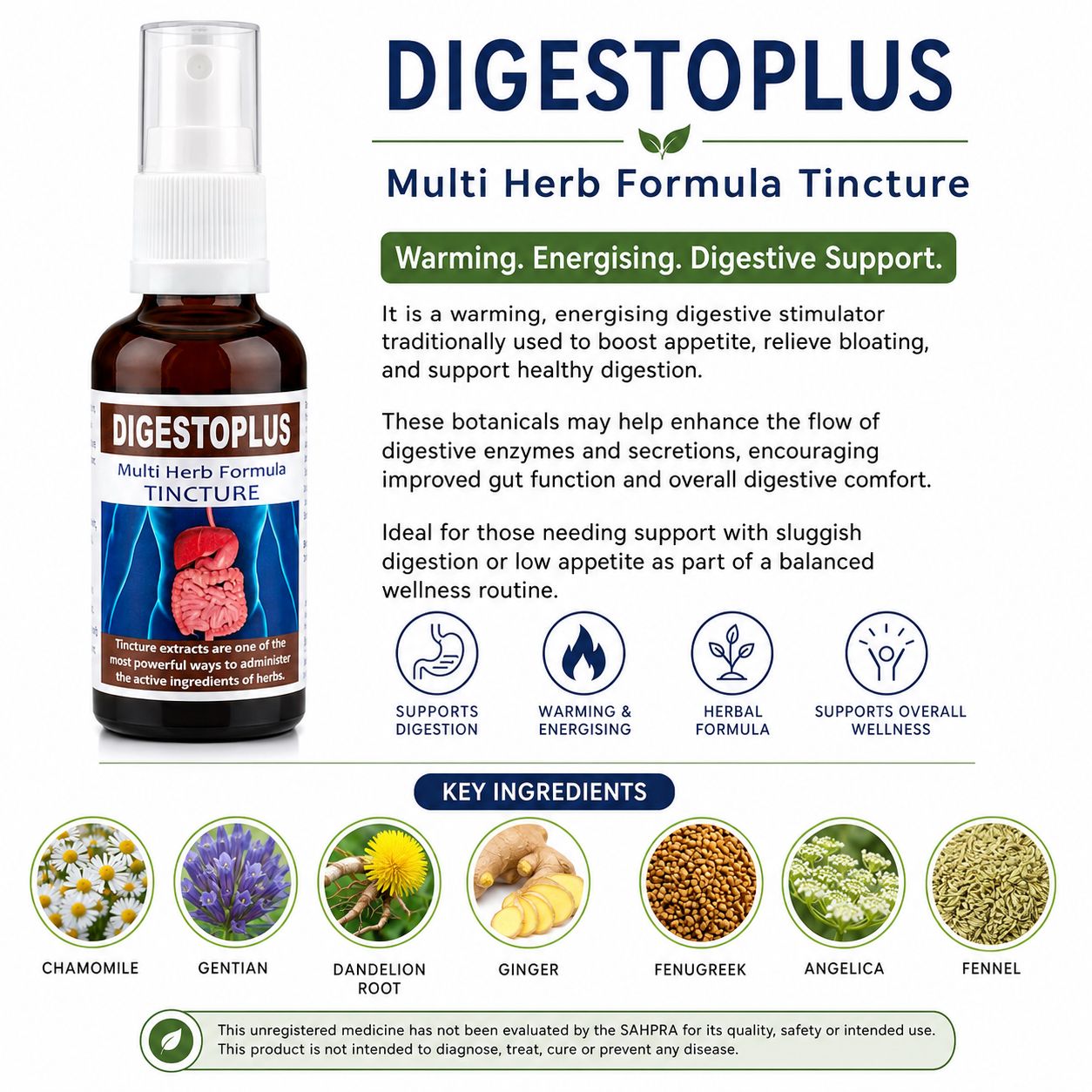
Our Digestoplus Tincture or Oxymel is a multi-herb digestive formula containing Ginger, Dandelion Root, Chamomile, Gentian, and Fenugreek — many of the same herbs used in traditional bitters recipes, expertly combined and available as a tincture or oxymel (a honey-vinegar base). It is traditionally used to support appetite, gastric function, and overall digestive comfort.
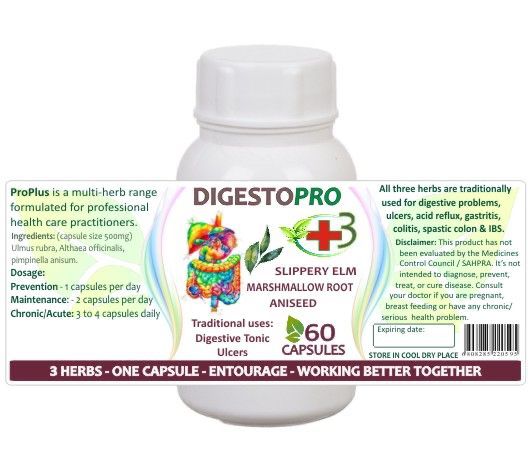
For those looking for capsule-based digestive support, our Digestopro Capsules combine Slippery Elm, Marshmallow Root, and Aniseed — a soothing, mucilaginous formula traditionally used to support the digestive tract lining and ease discomfort associated with acid reflux, IBS, and digestive irregularity.
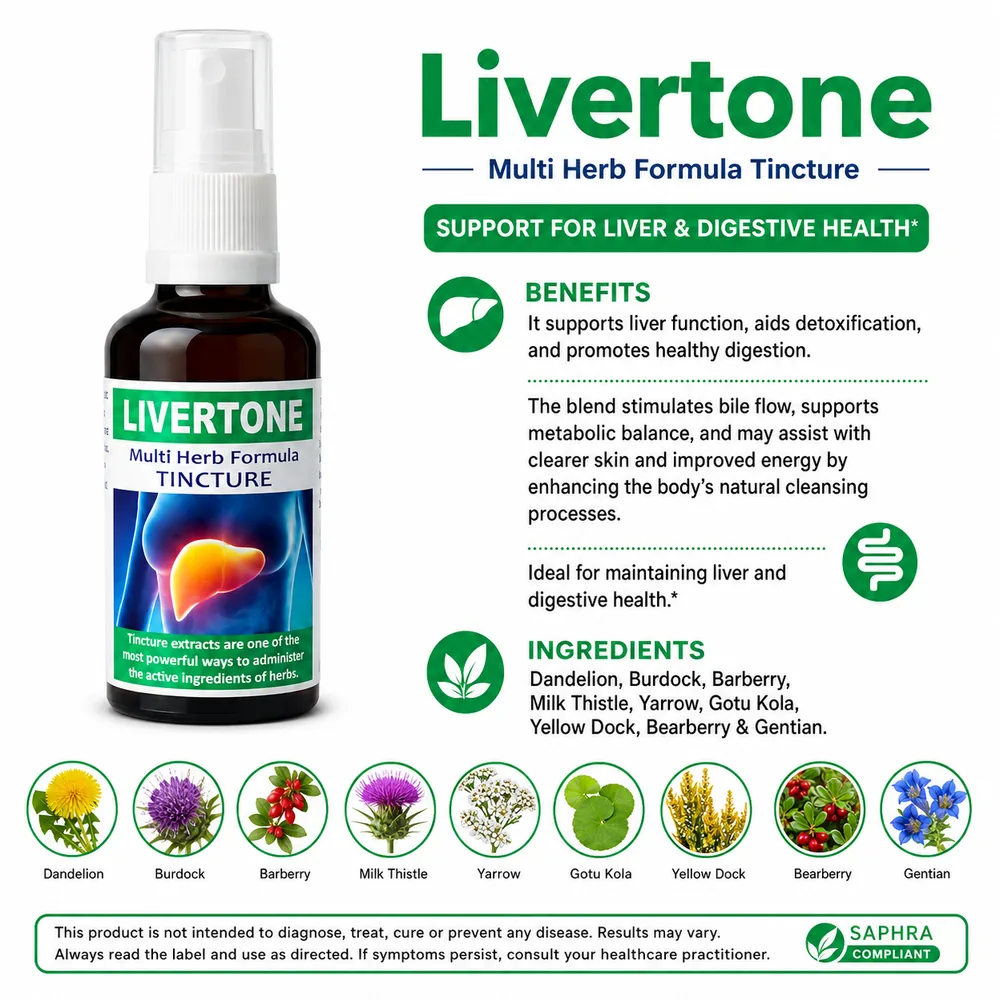
If liver support is a priority alongside digestive wellness, our Livertone Tincture or Oxymel brings together Dandelion, Burdock, Milk Thistle, Yarrow, Gotu Kola, and Gentian — a comprehensive liver and digestive tonic that mirrors the traditional spring bitters formula above. Available as a tincture or oxymel for full support.
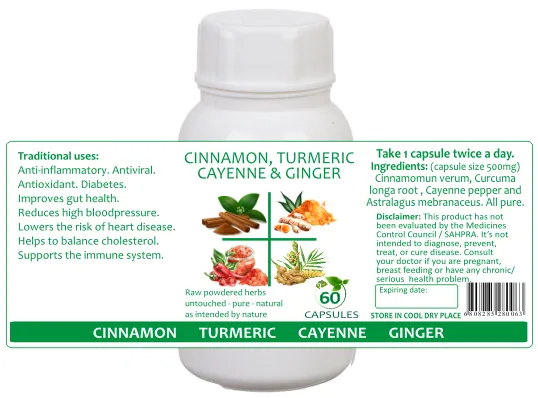
For a warming spice approach to digestive wellness, our 4-in-1 Spice Capsules combine Cinnamon, Turmeric, Cayenne, and Ginger — four of the most valued warming digestive herbs in a convenient capsule format.
Safety, Precautions, and Who Should Avoid Bitters
Herbal digestive bitters have a long history of traditional use and are generally considered safe for healthy adults when used as directed. However, there are important considerations to keep in mind:
- Pregnancy and breastfeeding: Many potent bitter herbs, particularly gentian and angelica, are traditionally avoided during pregnancy. If you are pregnant or breastfeeding, consult your healthcare provider before using herbal bitters.
- Acid reflux and GERD: Because bitters stimulate stomach acid production, they may aggravate symptoms in individuals with acid reflux, heartburn, or gastritis. If you have these conditions, speak with your healthcare provider before use.
- Gallstones and liver conditions: Bitters stimulate bile flow, which may be contraindicated in individuals with gallstones or acute liver conditions. Consult your healthcare provider if you have a known gallbladder or liver condition.
- Medication interactions: Bitter herbs may interact with medications for blood pressure, diabetes, or blood thinning. If you are on any chronic medication, consult your healthcare provider before adding bitters to your routine.
- Allergies: Those with known allergies to plants in the Asteraceae family (such as ragweed) should use chamomile and dandelion with caution.
The information in this article is for educational purposes only and does not constitute medical advice. Always consult a qualified healthcare professional before beginning any new herbal wellness practice, particularly if you have an existing health condition or are taking medication.
Bringing Bitters Back to Your Table
There is something deeply satisfying about making your own herbal preparations — about connecting with a tradition that stretches back thousands of years and across every culture on earth. Digestive bitters are one of the simplest and most rewarding places to begin that journey.
Whether you choose to craft your own bitters at home using the recipes above, or prefer the convenience of a professionally formulated herbal tincture, the principle is the same: honour the bitter taste, support your digestive fire, and give your body the tools it needs to do what it does best.
Start with a single recipe. Notice how you feel before and after meals. Give it a few weeks. The body often responds to bitters gradually — and the results, when they come, tend to be quietly transformative.
Explore our full range of digestive and liver wellness products at Medicine Like Food and find the support that fits your wellness journey.
Products Mentioned
Explore the products featured in this article