Mindful Breathing & Relaxation Practices for Calm
Relaxation practices that fit real life
Feeling grounded often starts with a few simple choices repeated with care. Relaxation practices don’t need to be elaborate, expensive, or time-consuming to be meaningful. In fact, the most useful ones tend to be the easiest to return to on busy days.
Mindful breathing is one of those gentle habits that can meet you almost anywhere — at your desk, in the car, on the stoep, or while the kettle boils. Across South Africa, more people are looking for calm and wellness routines that feel practical, familiar, and sustainable. That’s where small, steady rituals can make all the difference.
This guide brings together breathing methods, daily habits, and a few supportive herbal ideas for natural stress support. The aim isn’t perfection. It’s to help everyday calm feel a little more available.
Why breathing shapes your sense of calm
Breathing is one of the most immediate ways to signal softness to the body and mind. When the breath becomes slow and steady, the whole pace of the day can feel more manageable.
That doesn’t mean life suddenly becomes quiet. It means there’s a reliable place to return to when the day feels full. Mindful breathing South Africa style doesn’t have to be formal or spiritual, unless that’s your preference. It can be as practical as taking three slower breaths before opening your inbox or before stepping into traffic.
A few reasons breathing works so well as part of relaxation practices:
When breathing becomes a daily cue, calm and wellness start to feel less like a rare occasion and more like a habit you can actually keep.
Simple mindful breathing South Africa routines
The best breathing practice is the one you’ll genuinely use. Extreme routines aren’t required — steady ones tend to work best. Try one or two of these and notice which feels most natural.
1. Box breathing
This is a neat, rhythmic pattern that many people find easy to remember:
Repeat for four rounds. If holding the breath doesn’t feel comfortable, simply keep the inhale and exhale slow and even.
2. Longer exhale breathing
A slightly longer exhale can help create a sense of ease.
Do this for a minute or two while sitting, standing, or walking slowly. It’s a lovely option before a meeting, after a long commute, or before settling for the evening.
3. Nose breathing with gentle awareness
Try breathing in through the nose and out through the nose, while noticing the coolness of the inhale and the softness of the exhale. This is a simple way to anchor attention without forcing anything.
4. Grounded breathing with touch
Place one hand on the chest and one on the belly. Let the belly move more than the chest if that feels comfortable. This small gesture can make breathing feel more deliberate and calming.
For many people, these are the kinds of relaxation practices that become part of morning tea, school runs, load-shedding pauses, or evening wind-downs.
Everyday rituals that support calm and wellness
Breathing is powerful on its own, but it becomes even more supportive when paired with a few nourishing habits. Calm and wellness are often built in tiny layers rather than one grand routine.
Create a soft start and finish to the day
A calm morning doesn’t need to be perfect. It could be:
Evening routines can be just as simple:
These cues help the body recognise that it’s time to shift pace.
Use sensory anchors
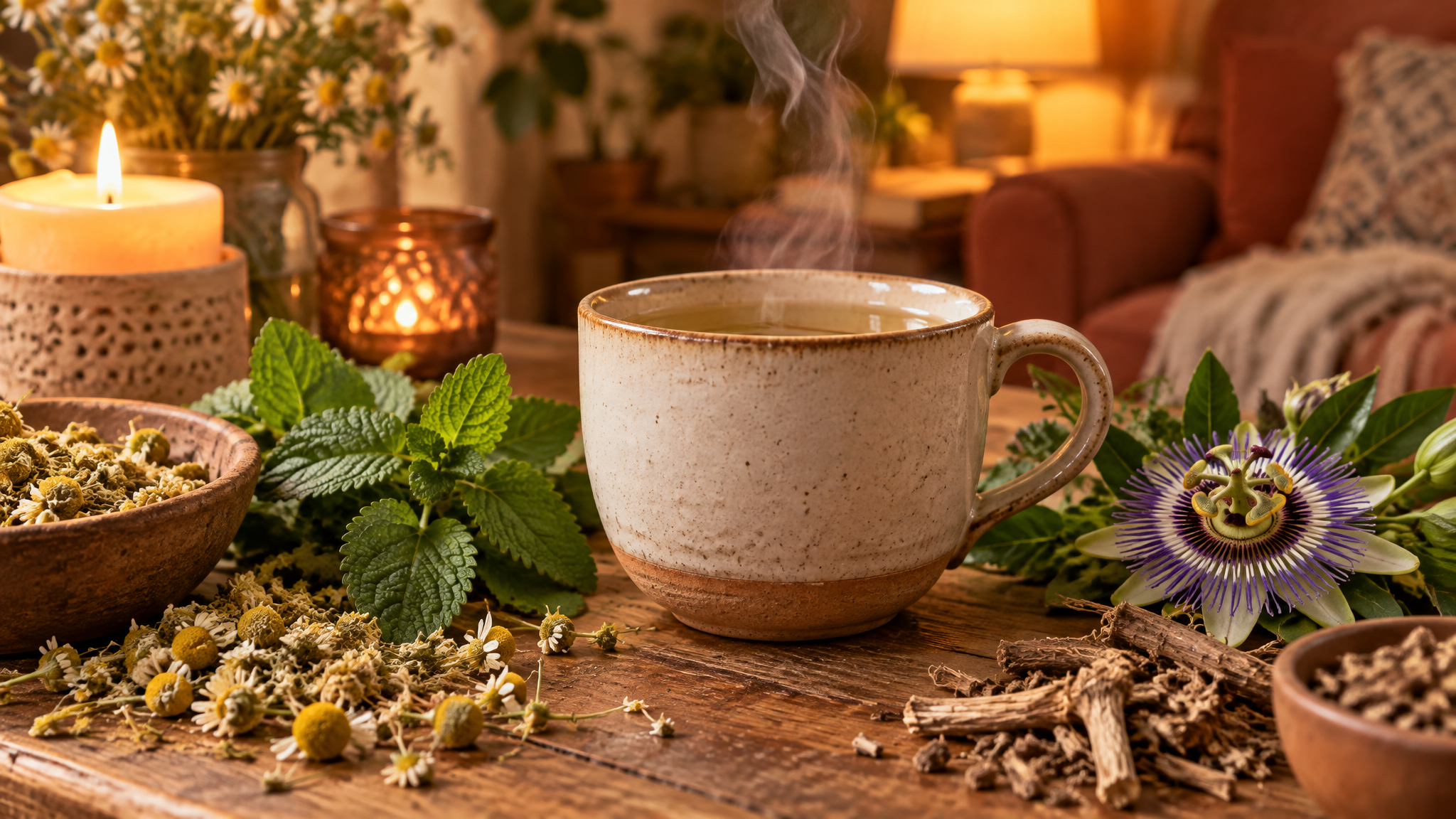
Natural stress support often works well when it involves the senses. Scent, warmth, texture, and flavour can all help a routine feel comforting. A favourite mug, a soft blanket, or a herbal infusion can become part of the signal that the day is easing.
Move gently, not intensely
A short walk, shoulder rolls, neck stretches, or a few minutes of easy yoga can complement breathing beautifully. The point isn’t effort for its own sake. It’s rhythm, circulation, and a little room to settle.
Herbal and nutritional support for an evening wind-down
For people who enjoy a botanical routine, a few carefully chosen products can fit naturally into relaxation practices. These should always sit alongside good food, rest, and simple lifestyle habits rather than replacing them.
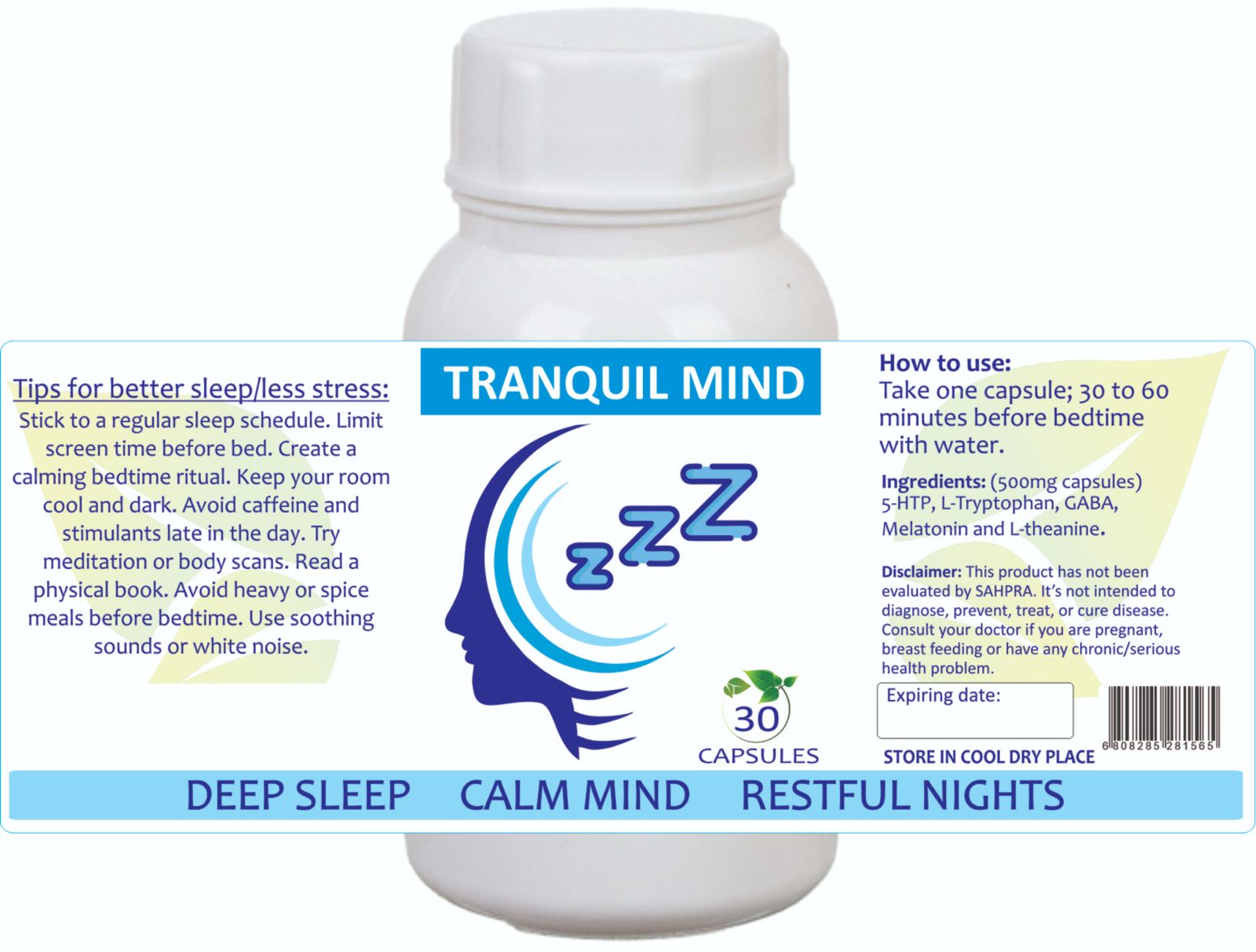
One option for evening routines is **Tranquil Mind 60 Capsules** (tranquil-mind-60-capsules), which fits well into a calm night-time rhythm. It’s a gentle way to support a more restful transition from day to evening.
Another helpful addition for some wellness routines is **L-Theanine 60 capsules** (l-theanine-60-capsules), a calming amino acid supplement that supports a sense of balance in your daily wellness routine. It can sit neatly beside a tea ritual or breathing practice.
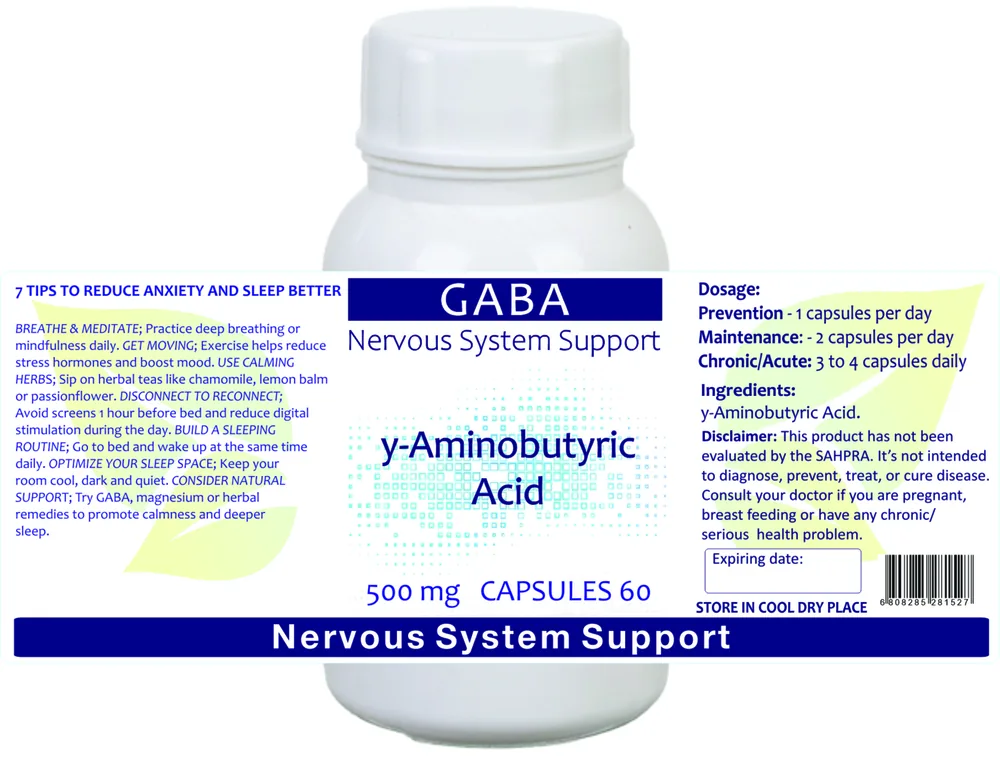
**GABA 60 Capsules** (gaba-60-capsules) is another product some people like to include in a wind-down routine, especially when the goal is a softer evening pace.
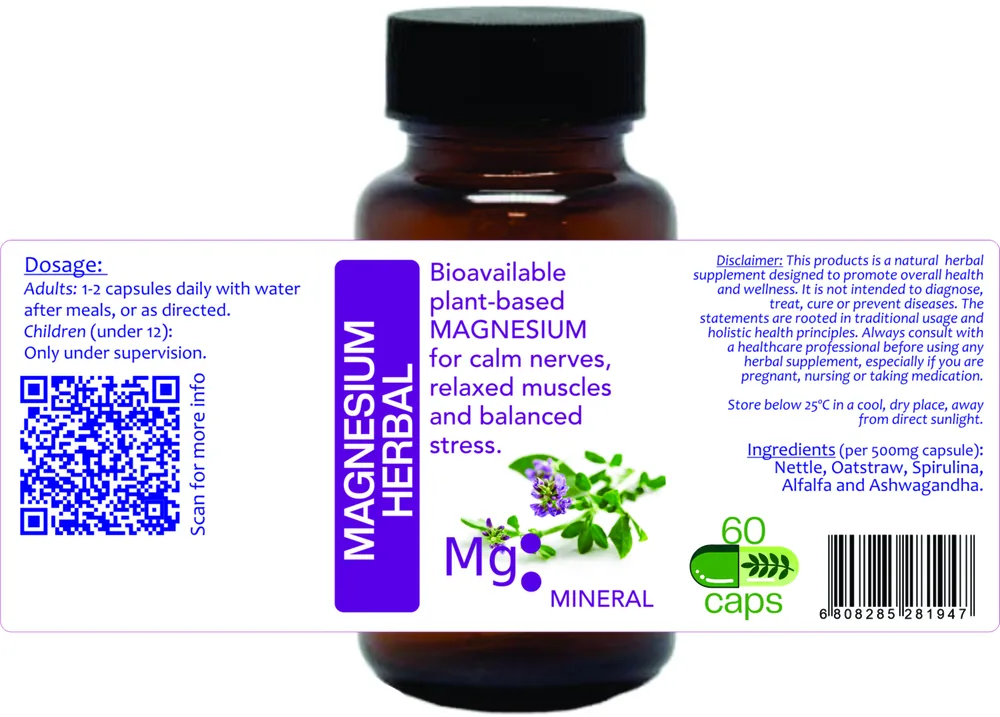
For those who enjoy mineral support as part of natural stress support, **Magnesium Herbal 60 Capsules** (magnesium-herbal-60-capsules) is a popular choice in many wellness cupboards. It pairs well with consistent sleep habits, gentle movement, and a calmer end to the day.
The most useful approach is often simple: pick one or two supportive elements and use them consistently. That way, your routine feels like a ritual rather than another task.
Making relaxation practices part of an ordinary day
Relaxation practices work best when they’re woven into moments you already have. There’s no need to wait for a free afternoon or a perfect mood.
Here are a few easy ways to make them stick:
It can also help to treat calm as a practice rather than a performance. Some days will feel spacious, while others feel full. A single mindful breath still counts.
Over time, these little moments can shape a steadier experience of energy, focus, and general wellbeing. They remind the mind and body that calm is not something far away — it’s something you can practise in small, repeatable ways.
This content is for general wellness information only and is not intended as medical advice.
If this kind of gentle support speaks to you, explore more calm and wellness ideas on the Medicine Like Food blog.
Discover more on our [Wellness Journal](/blog?category=wellness) — practical insights for natural, everyday wellbeing.
Frequently Asked Questions
What are the simplest relaxation practices to start with?+
A slow exhale, a few minutes of quiet sitting, and one short daily ritual, such as tea or gentle stretching, are easy places to begin. Simple practices are often the easiest to keep.
How often should mindful breathing be practised?+
A little and often tends to work beautifully. Even one to three minutes a few times a day can help breathing become a natural part of an everyday calm routine.
Can herbal products be part of an evening wind-down?+
Yes, many people enjoy herbal and mineral support as part of an evening routine. Products like Tranquil Mind, L-Theanine, GABA, and magnesium can be paired with quiet habits and a consistent bedtime rhythm.
What makes a relaxation routine feel sustainable?+
The most sustainable routines are usually the smallest ones. When a practice fits your real schedule and feels pleasant to repeat, it’s far more likely to become part of daily life.
Products Mentioned
Explore the products featured in this article