Calming Herbal Bedtime Drinks: Four Recipes for a Restful Evening Ritual
Why Your Evenings Deserve a Ritual
There is something quietly powerful about the hour before bed. It is the hinge between the day you have lived and the rest your body needs to repair, consolidate, and renew. Yet for many of us, that hour is filled with screens, unfinished thoughts, and a nervous system still running at full tilt. The result? We lie down exhausted but unable to switch off — a frustration that is all too familiar in our fast-paced world.
Across centuries and cultures, people have turned to warm herbal drinks as part of an evening wind-down ritual. Not as a quick fix, but as a gentle, intentional signal to the body: it is time to slow down. Chamomile, lemon balm, valerian, passionflower, and hops are among the most time-honoured herbs in this tradition — and modern research is beginning to illuminate why these plants have earned their place in the bedtime cup.
In this guide, we share four calming herbal drink recipes you can make at home, explore the science behind the key herbs, and offer practical tips for building an evening ritual that genuinely supports restful sleep. Whether you are new to herbal wellness or deepening an existing practice, these recipes are a beautiful place to begin.
The Herbs Behind the Calm: What the Research Says
Before we get to the recipes, it helps to understand the plants you are working with. Each herb has its own character, flavour profile, and body of traditional and scientific evidence.
Chamomile (Matricaria chamomilla)
Chamomile is perhaps the most universally recognised sleep herb — and for good reason. Its gentle, apple-like sweetness makes it one of the most palatable herbs for evening use, and its active flavonoid, apigenin, has been shown in studies to bind to GABA-A receptors in the brain, producing mild sedative effects without the dependency risks associated with pharmaceutical sleep aids.
A 2024 meta-analysis encompassing eight randomised controlled trials (RCTs) involving 1,048 participants found that chamomile consumption reduced sleep latency by an average of 16.2 minutes and improved Pittsburgh Sleep Quality Index (PSQI) scores. A 2023 RCT focusing on postpartum women found that two cups of chamomile tea daily for two weeks significantly increased sleep efficiency from 72% to 81%. While chamomile is not a cure for chronic insomnia, it is a well-supported, gentle ally for those seeking to ease into sleep more naturally.
Lemon Balm (Melissa officinalis)
Lemon balm is a member of the mint family with a bright, citrusy aroma and a long history of use for calm and relaxation. It is traditionally used to ease nervous tension, support restful sleep, and soothe digestive discomfort — a combination that makes it particularly useful for those whose sleep is disrupted by an anxious or overactive mind.
Scientifically, lemon balm works primarily by inhibiting GABA transaminase — the enzyme that breaks down GABA in the brain. By slowing this breakdown, lemon balm increases the availability of GABA, the brain's primary calming neurotransmitter. A meta-analysis of eight RCTs involving 569 participants concluded that lemon balm supplementation leads to significant reductions in both anxiety and depression symptoms compared to placebo. One open-label study using a standardised extract reported a 49% reduction in anxiety and a 39% reduction in insomnia over just 15 days.
Importantly, lemon balm achieves this calming effect without causing heavy sedation, making it suitable for those who need to feel calm but not groggy.
Valerian Root (Valeriana officinalis)
Valerian is the more potent member of the herbal sleep family. It has a bold, earthy flavour — not everyone's favourite on its own — but when blended with chamomile or lemon balm, it becomes far more approachable. Valerian works through multiple mechanisms, including modulating GABA receptors and inhibiting GABA transaminase, similar to lemon balm but with additional compounds like valerenic acid that contribute to its stronger sedative profile.
A 2024 systematic review of 14 RCTs (n=1,824) concluded that valerian root extracts improved PSQI scores by 2.8 points in individuals with poor sleep. Research involving postmenopausal women found that 530 mg of concentrated valerian extract twice daily for four weeks resulted in statistically significant improvements in sleep quality compared to placebo. One important note: valerian's effectiveness is often cumulative, with benefits building over two to four weeks of consistent use.
Because valerenic acid has poor water solubility, standardised capsule extracts are generally considered more potent than tea preparations — though valerian tea still offers a meaningful contribution to an evening ritual, especially when combined with other herbs.
Passionflower (Passiflora incarnata)
Passionflower is particularly valued for anxiety-driven sleep disturbances — the kind where the mind races and refuses to quieten. It is traditionally used to ease restlessness and nervous tension, and a 2024 meta-analysis of six RCTs (n=632) indicated that passionflower reduces anxiety scores and improves sleep quality. A double-blind, placebo-controlled study found that participants consuming passionflower herbal tea for one week reported significantly better subjective sleep quality compared to those consuming a placebo tea.
When combined with valerian and hops — as in traditional European herbal blends — passionflower has been shown to improve sleep latency and decrease nightly awakenings. A 2024 trial found that a 1:1 ratio of chamomile and passionflower reduced sleep latency by 22 minutes, exceeding the effectiveness of either herb used individually.
Hops (Humulus lupulus)
Best known as a bittering agent in beer, hops has a long history as a sedative herb in its own right. Traditionally used in sleep pillows and herbal blends, hops contains compounds including methylbutenol that are thought to contribute to its calming properties. It is most effective when combined with valerian and passionflower, where synergistic effects appear to enhance the overall sleep-supporting action of the blend.
Four Calming Herbal Drink Recipes for Your Evening Ritual
These recipes use dried herbs, which are widely available from health stores and herbal suppliers. When using dried herbs for tea, a general guide is one teaspoon of dried herb per cup of water, steeped for five to seven minutes with the mug covered to trap volatile aromatic compounds. Use water that has just come off the boil (around 85–95°C) rather than a rolling boil, especially for delicate herbs like lemon balm, to preserve their aromatic oils.
Recipe 1: Classic Chamomile and Lemon Balm Sleepy Tea
This is the gentlest of the four recipes — a perfect starting point for those new to herbal sleep support, or for evenings when you simply want something light and comforting.
- 2 teaspoons dried chamomile flowers
- 1 teaspoon dried lemon balm leaves
- 1 thin slice fresh ginger (optional, for warmth)
- 1 teaspoon raw honey (to taste)
- 250ml hot water (85–90°C)
Method: Combine the chamomile and lemon balm in a tea strainer or infuser. Add the ginger slice if using. Pour over hot water, cover your mug with a saucer, and steep for six minutes. Remove the herbs, stir in honey, and sip slowly about 30–45 minutes before bed.
Flavour profile: Floral, citrusy, and gently sweet. One of the most pleasant herbal teas you can make.
Recipe 2: Deep Calm Valerian and Passionflower Blend
This blend is for evenings when the mind is particularly busy — when you have had a demanding day and need something with a little more depth. The valerian gives it staying power; the passionflower softens the edges of anxious thinking.
- 1 teaspoon dried valerian root
- 1 teaspoon dried passionflower herb
- 2 teaspoons dried chamomile flowers (to balance the flavour)
- A small strip of dried orange peel (optional, for brightness)
- 1 teaspoon honey or a few drops of stevia
- 250ml hot water
Method: Combine all herbs in an infuser. Pour over hot water, cover, and steep for seven minutes. The valerian will give the tea an earthy, slightly pungent note — the chamomile and orange peel help balance this beautifully. Sweeten to taste and drink 45–60 minutes before bed.
Flavour profile: Earthy and herbal with floral and citrus notes. An acquired taste that many come to love.
Recipe 3: Golden Calm Milk with Lemon Balm and Chamomile
A warming, nourishing bedtime drink that combines the comfort of warm milk (dairy or plant-based) with the calming properties of chamomile and lemon balm. This is a wonderful option for those who find plain herbal tea too light, or who enjoy a more substantial evening drink.
- 250ml warm oat milk or full-cream milk (not boiling)
- 1 chamomile tea bag or 2 teaspoons loose chamomile
- 1 teaspoon dried lemon balm (or 1 lemon balm tea bag)
- ¼ teaspoon ground cinnamon
- A pinch of nutmeg
- 1 teaspoon raw honey
Method: Warm the milk gently in a small saucepan — do not boil. Remove from heat and add the chamomile and lemon balm. Cover and steep for eight minutes. Strain, stir in cinnamon, nutmeg, and honey. Pour into your favourite mug and sip slowly.
Flavour profile: Creamy, warming, and gently spiced. Deeply comforting on cool spring evenings.
Recipe 4: Four-Herb Evening Tonic (The Full Wind-Down)
This is the most comprehensive of the four recipes, combining chamomile, lemon balm, passionflower, and a small amount of valerian for a full-spectrum calming effect. It is best reserved for evenings when you genuinely need support — not as an everyday drink, but as a meaningful ritual when rest feels elusive.
- 1½ teaspoons dried chamomile flowers
- 1 teaspoon dried lemon balm leaves
- 1 teaspoon dried passionflower herb
- ½ teaspoon dried valerian root
- 1 teaspoon raw honey
- A few drops of vanilla extract (optional)
- 300ml hot water
Method: Combine all herbs in a large infuser or small teapot. Pour over hot water, cover, and steep for seven to eight minutes. Strain carefully, sweeten with honey, and add vanilla if using. Drink slowly, ideally as part of a broader wind-down routine — dim the lights, put the phone away, and let the ritual do its work.
Flavour profile: Complex, herbal, and warming. The vanilla softens the earthiness of the valerian beautifully.
Building Your Evening Wind-Down Ritual
The herbs in these recipes work best when they are part of a consistent evening practice rather than a one-off intervention. Here are some practical ways to build a ritual that supports genuine rest:
- Choose a consistent time: Begin your wind-down at the same time each evening — ideally 60–90 minutes before you want to be asleep. Consistency helps regulate your circadian rhythm.
- Dim the lights: Bright overhead lighting suppresses melatonin production. Switch to lamps or candles as you prepare your herbal drink.
- Put screens away: The blue light from phones and tablets delays melatonin release. Try to avoid screens for at least 30 minutes before bed.
- Make the preparation part of the ritual: The act of measuring herbs, boiling water, and steeping your tea is itself a mindful, calming practice. Slow down and enjoy it.
- Pair with gentle movement or journaling: A few minutes of gentle stretching or writing down tomorrow''s to-do list can help clear the mental clutter that keeps us awake.
- Be consistent: Herbal support, like most wellness practices, works best over time. Give yourself two to four weeks of consistent use before evaluating the results.
Going Deeper: Herbal Supplements for Sleep Support
While herbal teas are a beautiful and accessible way to incorporate calming herbs into your evening, some people find that standardised herbal supplements offer more consistent and measurable support — particularly for those dealing with more persistent sleep challenges.
At Medicine Like Food, we offer several carefully formulated options that complement an evening herbal tea ritual:
The Nervine Tincture or Oxymel combines four classic calming herbs — Valerian, Passionflower, Chamomile, and Hops — in a convenient liquid format. A few drops in warm water or added to your herbal tea can deepen the calming effect of your evening drink.
The Nervepro Capsules offer a simple three-herb formula of Valerian, Chamomile, and Lemon Balm in capsule form — ideal for those who prefer a consistent, measured dose alongside their evening ritual.
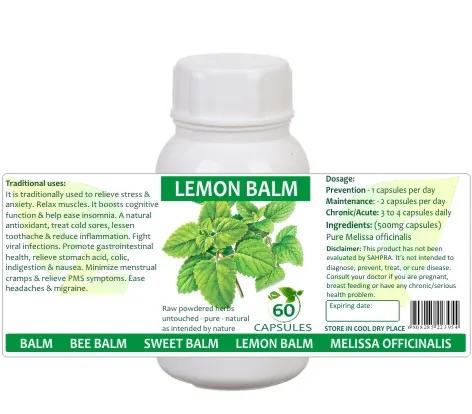
For those whose sleep challenges are linked to anxiety or an overactive mind, the Lemon Balm Capsules or Tincture provides a single-herb option that is gentle, well-researched, and suitable for everyday use.
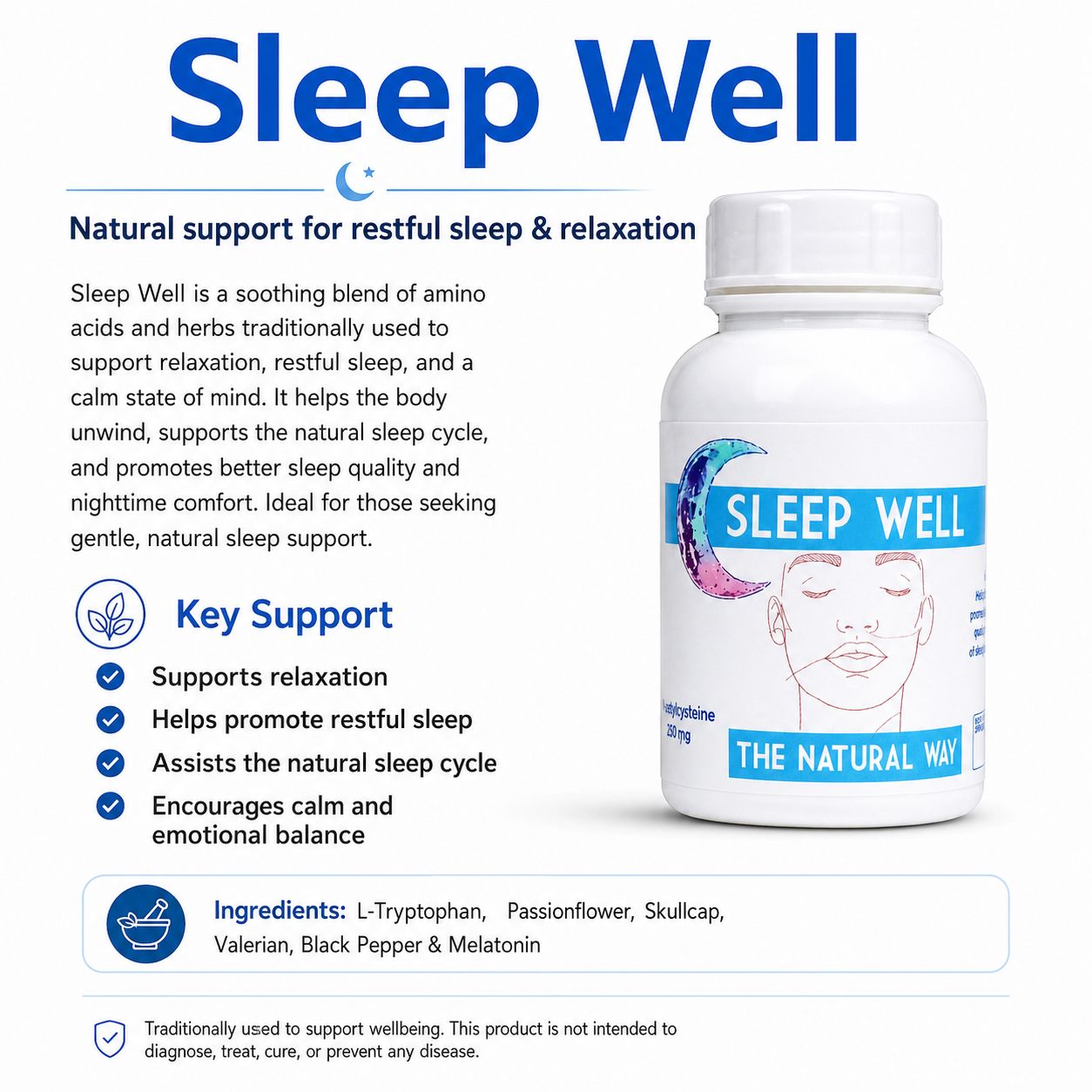
If you are looking for a more comprehensive evening formula, the Sleep Well Capsules combine L-Tryptophan, Valerian Root, Passionflower, Skullcap, and Magnesium — a multi-ingredient approach that addresses several of the physiological pathways involved in sleep.
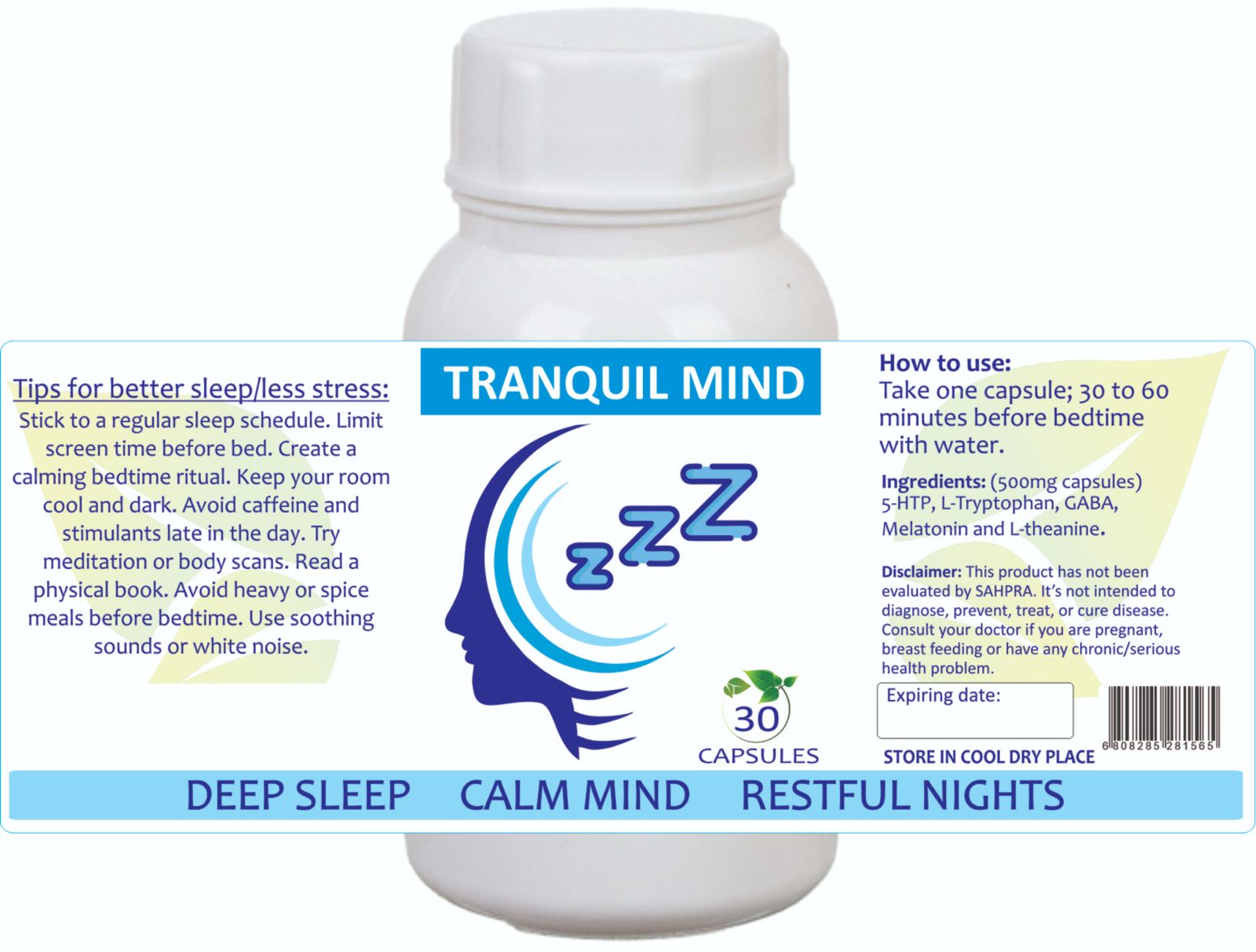
And for those who want everything in one evening routine, the Tranquil Mind Capsules bring together Melatonin, L-Theanine, GABA, L-Tryptophan, and 5-HTP — a botanical and nutritional formula designed specifically for an evening wind-down routine.
These supplements are not replacements for good sleep hygiene, but they can be meaningful additions to a consistent evening practice — completing the system of support your body needs to rest well.
Safety, Precautions, and Who Should Take Care
The herbs in these recipes are generally well-tolerated and have long histories of safe use. However, as with all herbal preparations, there are some important considerations:
- Pregnancy and breastfeeding: Valerian, passionflower, and hops are not recommended during pregnancy or breastfeeding. Chamomile and lemon balm in small culinary amounts are generally considered safe, but consult your healthcare provider before using any herbal supplement.
- Thyroid conditions: Lemon balm may inhibit the binding of thyroid-stimulating hormone (TSH). Those with hypothyroidism or taking thyroid medication should consult their doctor before regular use.
- Medication interactions: These herbs have additive sedative effects when combined with alcohol, benzodiazepines, or other sleep medications. If you are taking any prescription medication, speak with your healthcare provider before adding herbal sleep support.
- Asteraceae allergy: Chamomile belongs to the Asteraceae (daisy) family. Those with known allergies to plants in this family (including ragweed, chrysanthemums, and marigolds) should exercise caution.
- Children: The recipes and supplements in this article are intended for adults. For children''s sleep support, please consult a qualified healthcare practitioner.
- Driving and operating machinery: Avoid driving or operating heavy machinery after consuming valerian or passionflower, particularly in larger amounts.
The information in this article is for educational purposes only and does not constitute medical advice. If you are experiencing persistent sleep difficulties, please consult a qualified healthcare professional.
A Final Word: Rest Is Not a Luxury
In a culture that often celebrates busyness and productivity, rest can feel like an indulgence. But sleep is not a passive state — it is when the body repairs tissue, consolidates memory, regulates hormones, and clears metabolic waste from the brain. Prioritising rest is one of the most profound acts of self-care you can offer yourself.
These herbal drink recipes are an invitation to slow down, to honour the rhythm of the day, and to give your body the conditions it needs to rest deeply. Start with one recipe, make it a ritual, and notice what shifts over the coming weeks. Small, consistent practices have a way of compounding into meaningful change.
Your evenings deserve intention. Your sleep deserves support. And your body — working so hard every single day — deserves the gentle care that these plants have offered for centuries.
Products Mentioned
Explore the products featured in this article