Men's Wellness Myths: Gentle Truths That Matter

Feeling energised often starts with simple, steady habits rather than dramatic change.
Men’s wellness myths have a habit of lingering in everyday conversation, especially when busy routines, old-fashioned ideas, and social pressure all get mixed together. The truth about male vitality is usually far less complicated than the myths suggest. With the right perspective, natural wellbeing can feel more practical, more grounded, and much more sustainable.
This article looks at common men natural health myths in a warm, straightforward way, so the conversation around vitality feels clearer and more useful.
Why men’s wellness myths stick around
Many wellness ideas are passed down through family, friends, sport culture, and workplace banter. Some of them sound tough, some sound clever, and some simply get repeated often enough to feel true. That’s how men's wellness myths tend to settle in.
A big part of the problem is that outdated ideas often reward pushing through, ignoring the basics, and treating self-care like a luxury. Real vitality, though, usually comes from consistent support: nourishing meals, restful nights, movement that feels good, and habits that fit real life.
A healthier way to think about vitality
The truth about male vitality is that it isn’t built on one “perfect” habit. It’s shaped by lots of small choices made over time:
That’s much more realistic than chasing extreme routines or temporary bursts of effort.
Myth 1: Men just need to push through and keep going
One of the most common men natural health myths is that toughness means ignoring fatigue, stress, or mental load. In reality, endurance improves when the basics are respected. Rest isn’t the opposite of strength; it’s one of the things that helps sustain it.
Busy schedules can make it tempting to live on momentum alone, but steady energy usually responds better to rhythm than force. Regular meals, enough sleep, and brief pauses during the day can support focus and stamina in a far more dependable way.
A simple routine might include:
These may seem small, but they often matter more than trying to compensate with sheer willpower.
Myth 2: Natural support is only for people who follow a wellness lifestyle
Another common myth says natural support is reserved for a certain type of person: the one who shops at speciality stores, grows herbs, and journals before sunrise. In truth, natural wellness can be simple, practical, and accessible.
The best routines often work because they’re realistic, not because they’re elaborate. A man who enjoys braai weekends, long workdays, family responsibilities, and weekend sport can still build strong everyday habits. There’s no need for an overly perfect wellness identity.
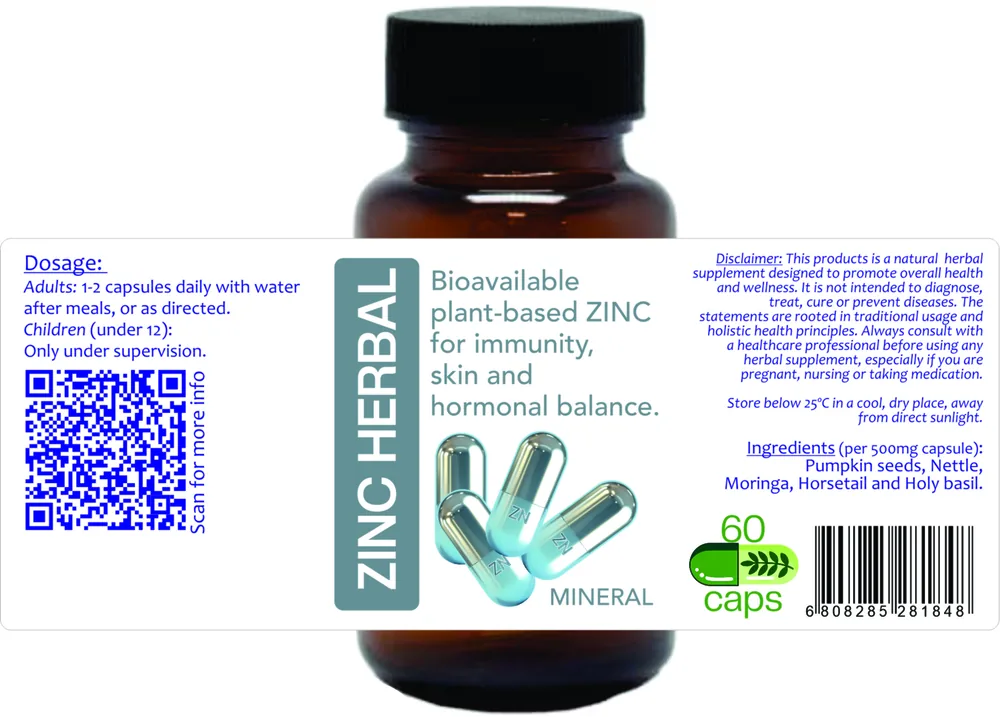
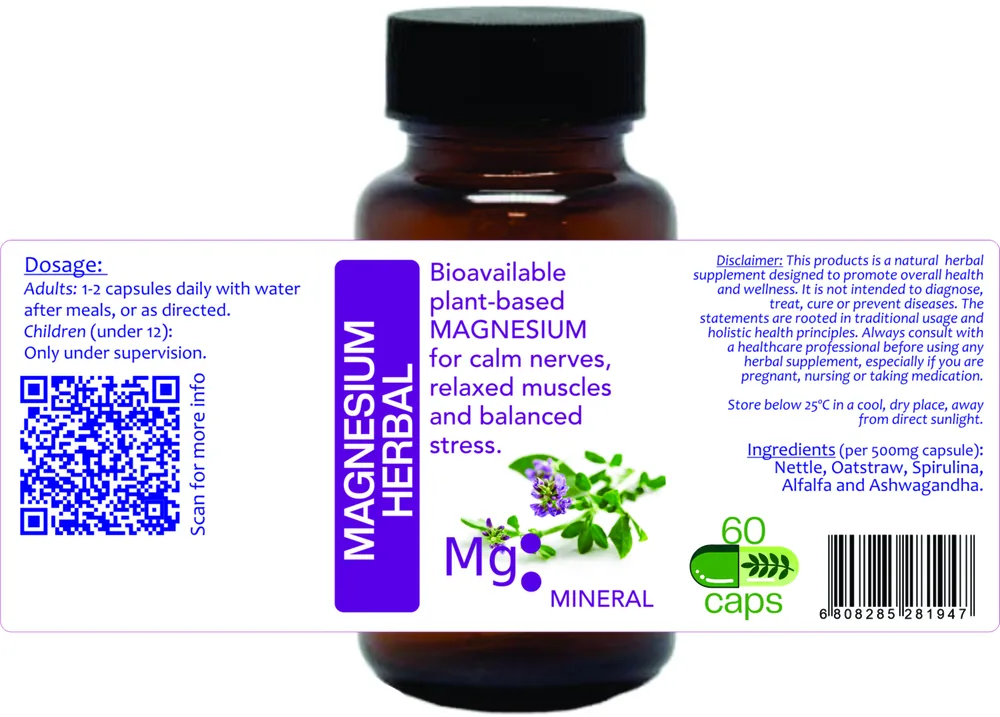
Natural support might include ingredients and nutrients that fit smoothly into ordinary life. For example, zinc is often included in routines that focus on overall wellbeing, while magnesium is commonly appreciated in calming, end-of-day habits. Products like Zinc Herbal and Magnesium Herbal can sit naturally within a balanced approach, especially when simplicity matters.
The key is not to overcomplicate things. Consistency usually wins over intensity.
Myth 3: Mind care and vitality are separate things
Many men grow up hearing that emotional steadiness should be kept private, or that talking about stress somehow means weakness. That belief doesn’t serve wellbeing very well. The truth about male vitality includes the mind, the nervous system, and the way everyday pressure is handled.
When the mind is supported with more calm and less noise, the rest of life often feels more manageable. Gentle routines, time outdoors, regular meals, and restorative sleep all play a part. Some people also enjoy herbal and amino acid support as part of that broader picture.
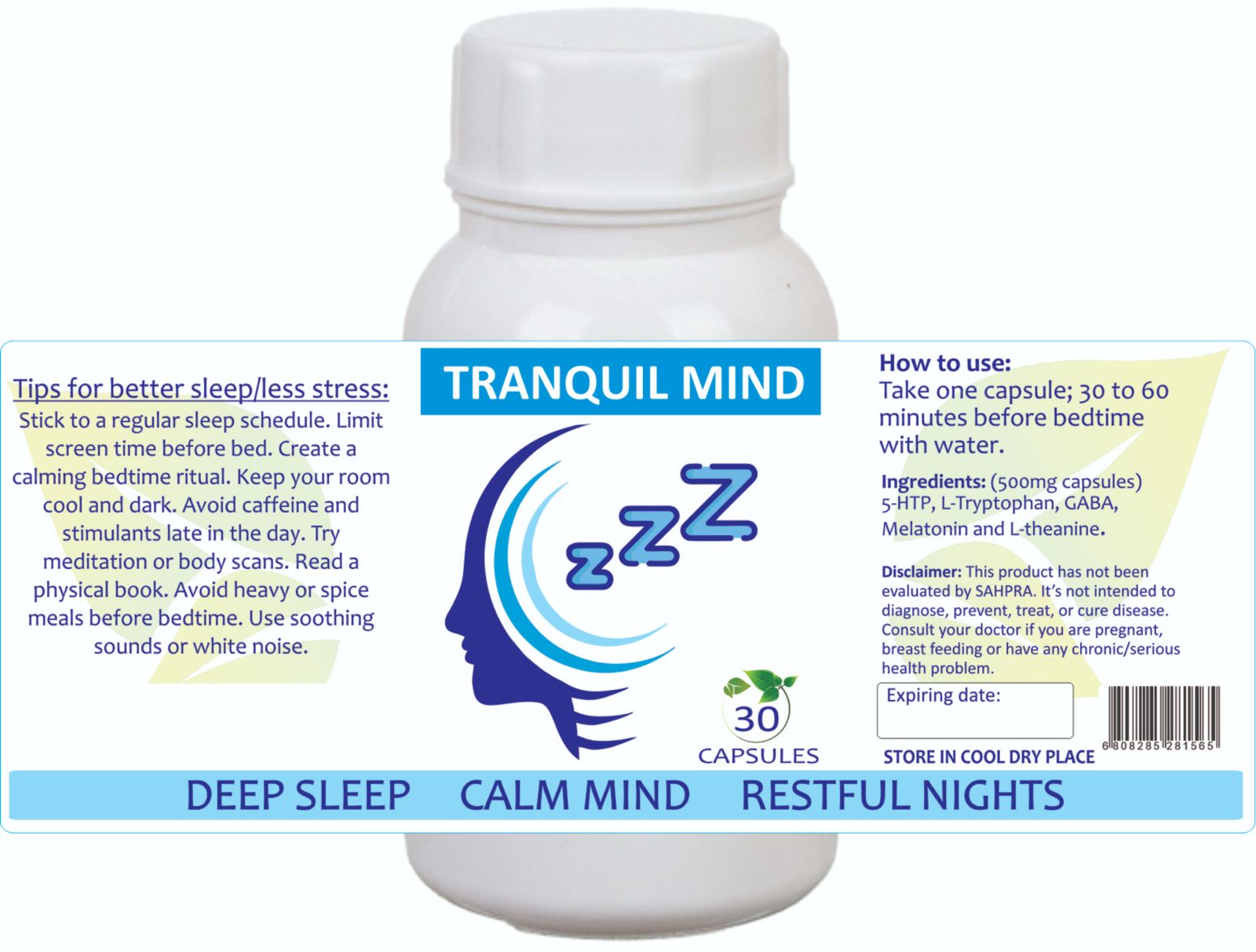
Products such as Tranquil Mind or L-Theanine can fit into a calm, daily rhythm for those looking to support a more settled state of mind. These kinds of supports are most useful when they’re part of a wider lifestyle that values balance, not as a stand-alone solution.
What a calmer routine can look like
None of this needs to be perfect. It just needs to be repeatable.
Myth 4: Vitality is only about what happens in the gym
Movement is valuable, but men’s wellness myths often make physical fitness sound like the only thing that counts. That leaves out nutrition, hydration, rest, mobility, and general recovery. It also leaves out everyday movement, which can be just as meaningful as a formal training session.
You don’t need a complicated programme to support your body well. Walking, stretching, cycling, swimming, yard work, and regular play with the kids all count. The goal is not to perform wellness, but to live it in a way that feels natural.
Food matters too. Nutrient-dense meals with protein, colourful vegetables, healthy fats, and whole grains can nourish energy in a steady, practical way. For some people, supportive additions like Beetroot Extract, Bee Complete, or Caffeine Herb Enriched may also fit a vitality-focused routine, depending on personal preference and lifestyle.
Myth 5: Men’s wellness should stay private and unspoken
Silence can make wellness feel heavier than it needs to be. A more open approach doesn’t mean over-sharing everything; it simply means allowing honest conversations about energy, rest, ageing, routines, and what support feels useful.
That’s especially important because men natural health myths often make everyday support sound unnecessary or indulgent. In reality, taking care of wellbeing is practical. It helps create more capacity for work, family, relationships, and the things that make life feel meaningful.
A grounded routine often includes a mix of basics:
When these pieces come together, vitality feels less like a performance and more like a way of living.
A gentler, truer path to everyday male vitality
The strongest approach is usually the simplest one: steady habits, sensible support, and a view of wellness that includes the whole person. Men's wellness myths tend to rely on extremes, while real wellbeing tends to thrive on balance.
That balance can look different for everyone. It might be a better sleep rhythm, a more nourishing breakfast, a walk after work, or a thoughtful supplement routine with products such as Magnesium Herbal, Zinc Herbal, or Tranquil Mind. None of these need to be dramatic to be worthwhile.
This content is for general wellness information only and is not intended as medical advice.
If this topic sparked a useful rethink, explore more gentle, practical guidance on our blog and continue building a wellness routine that feels steady, natural, and realistic.
Explore more in our complete [Men's Vitality guide](/mens-vitality) — natural ways to support energy, stamina and everyday wellbeing.
Frequently Asked Questions
What are common men's wellness myths?+
Common men's wellness myths often include the idea that rest is optional, that mind care is separate from physical wellbeing, and that natural support has to be complicated to be worthwhile.
How can daily habits support male vitality?+
Simple habits like regular meals, enough water, movement, restful evenings, and a calmer pace can support energy, focus, and overall vitality in a steady way.
Can natural supplements fit into a men's wellness routine?+
Yes, natural supplements can fit well when they’re used as part of a balanced routine that already includes nourishing food, rest, and movement.
Is wellness only about exercise?+
Not at all. Exercise is one part of the picture, but sleep, nutrition, hydration, stress balance, and recovery matter just as much.
Products Mentioned
Explore the products featured in this article