Herbal Spring Tonic Recipes: Four Nourishing Drinks for Renewal and Vitality
Spring Is Here — and Your Body Knows It
There is something unmistakable about October in South Africa. The air shifts, the jacarandas bloom, and something inside you stirs — a quiet urge to move more, eat lighter, and shake off the heaviness of winter. Traditional herbalists across cultures have long recognised this seasonal impulse, and they had a name for the remedy: the spring tonic.
A spring tonic is simply a nourishing herbal drink — a tea, infusion, or blended preparation — made from plants that have been used for generations to support the body's natural renewal processes. These are not quick fixes or dramatic cleanses. They are gentle, daily rituals that work with your body's own rhythms, offering minerals, bitter compounds, and plant-based support to help you feel more energised, clear, and alive as the season opens up.
In this guide, we share four herbal spring tonic recipes you can make at home, along with the traditional wisdom and emerging research behind each key ingredient. Whether you are new to herbal wellness or a seasoned tea drinker, these recipes are simple, grounding, and genuinely nourishing.
Why Spring Tonics Have Stood the Test of Time
The tradition of spring tonics stretches back centuries across European, African, and Asian herbal traditions. After months of heavier winter foods and reduced sunlight, early spring was seen as the ideal time to support the liver, lymphatic system, and digestive tract — the body's primary channels of processing and renewal.
In Western herbalism, bitter spring greens like dandelion and nettle were gathered as soon as they appeared, valued for their dense mineral content and their ability to stimulate digestive secretions. In Traditional Chinese Medicine, spring is associated with the liver and gallbladder — organs linked to smooth energy flow, emotional balance, and the processing of fats and toxins. Across these traditions, the message is consistent: spring is a time to nourish, not deplete.
Modern research is beginning to catch up with this wisdom. Studies published in journals including Phytotherapy Research and Molecules have explored the antioxidant, anti-inflammatory, and liver-supportive properties of herbs like dandelion root and stinging nettle — lending scientific context to what herbalists have observed for generations.
The Key Herbs in These Recipes
Dandelion Root and Leaf (Taraxacum officinale)
Dandelion is perhaps the most underestimated plant in the garden. Both the root and the leaf have been traditionally used to support liver and gallbladder function, with the root acting as a gentle bitter tonic that encourages bile production and flow. Bile is essential for fat digestion and the elimination of metabolic waste — making dandelion a natural ally for the body's processing systems.
Research published in PMC (PubMed Central) in 2021 found that dandelion root extract demonstrated antioxidant and hepatoprotective (liver-protecting) effects in experimental models, with compounds including taraxasterol and polyphenols helping to reduce oxidative stress markers. While large-scale human clinical trials are still limited, the traditional use of dandelion as a liver and digestive tonic is well-supported by its phytochemical profile.
The leaf, meanwhile, is rich in vitamins A, C, and K, as well as potassium — making dandelion tea a genuinely nutritious spring drink.
Stinging Nettle (Urtica dioica)
Nettle is one of the most mineral-rich plants available to us. It contains calcium, magnesium, iron, potassium, silica, and a range of B vitamins — making it a natural nutritional tonic, particularly after winter months when fresh greens have been less abundant.
Studies reviewed in Phytotherapy Research (2022) highlight nettle's anti-inflammatory properties, attributed to its ability to inhibit pro-inflammatory pathways including NF-κB. Nettle has also been studied for its potential to support seasonal allergy symptoms — relevant for spring in South Africa, when pollen counts rise and many people experience hay fever. Traditionally, nettle has been used to support the kidneys, urinary tract, and joints.
When dried or steeped in hot water, the sting is completely neutralised, leaving a mild, grassy tea that is pleasant to drink daily.
Burdock Root (Arctium lappa)
Burdock root has a long history in both European and Asian herbal traditions as a blood and lymphatic tonic. It is traditionally used to support the liver and skin, and is often included in spring formulas for its gentle, cleansing action. Burdock contains inulin — a prebiotic fibre that supports gut bacteria — as well as antioxidant compounds including quercetin and luteolin.
Cleavers (Galium aparine)
Cleavers — the sticky, climbing plant that attaches itself to clothing — is a traditional lymphatic herb used in spring tonics across European herbalism. It is traditionally used to support the lymphatic system's role in fluid balance and immune function. Cleavers is best prepared as a cold infusion (steeped in cold water overnight) to preserve its delicate active compounds.
Lemon and Ginger
Both lemon and ginger are well-researched additions to any spring tonic. Lemon provides vitamin C and supports the body's natural antioxidant defences, while ginger has been shown in multiple studies to have anti-inflammatory and digestive-supportive properties. Together, they add warmth, brightness, and palatability to herbal preparations.
Four Spring Tonic Recipes to Try This Season
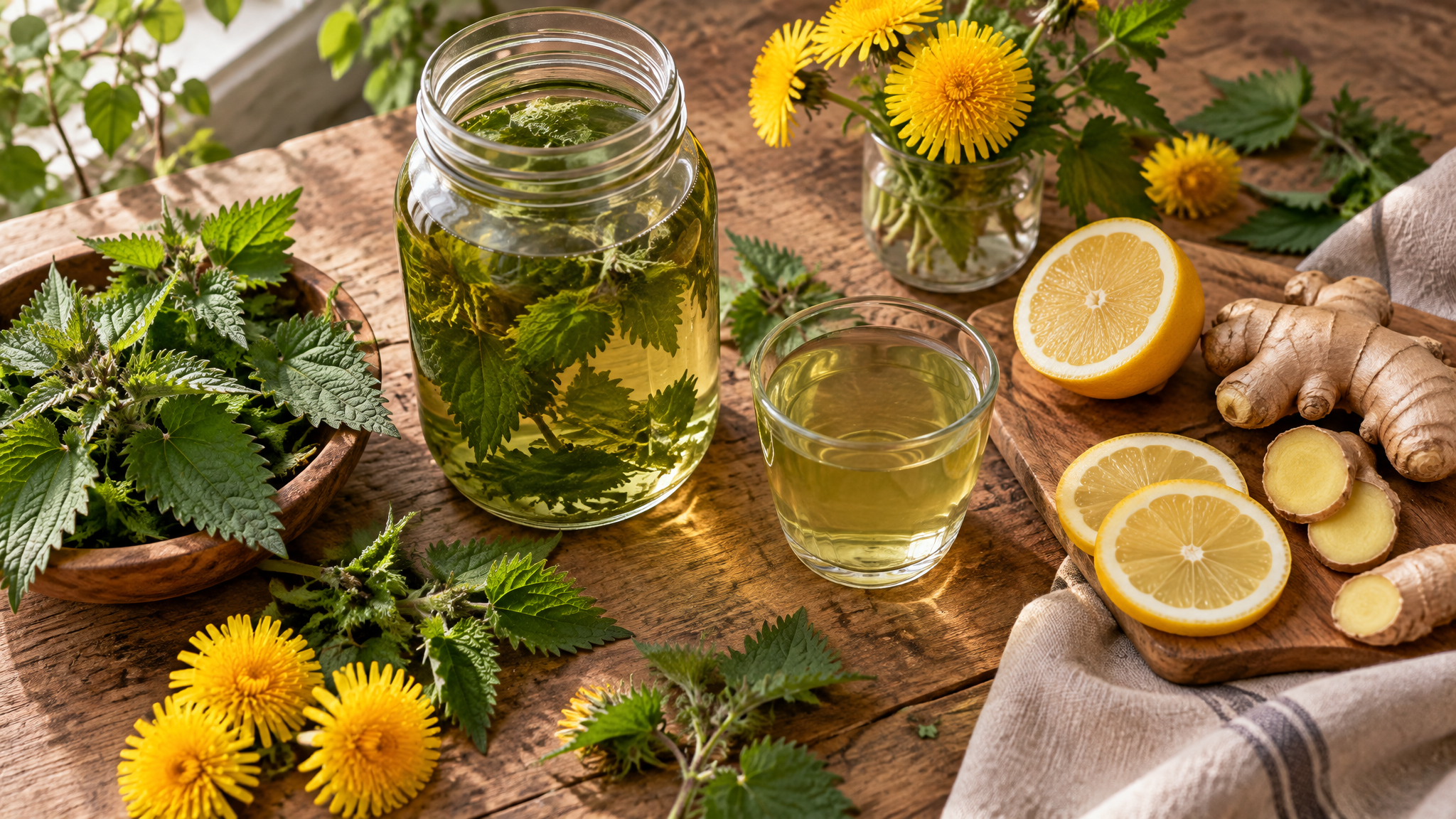
Recipe 1: Classic Nettle and Lemon Morning Infusion
This is the simplest and most nourishing of the four recipes — a mineral-rich morning drink that supports energy, iron levels, and seasonal allergy resilience.
- Ingredients: 1–2 teaspoons dried nettle leaf, juice of half a lemon, 1 teaspoon raw honey (optional), 250ml just-boiled water
- Method: Place dried nettle in a cup or small teapot. Pour over just-boiled water and steep for 10–15 minutes. Strain, add lemon juice and honey if desired. Drink warm each morning.
- Best time: First thing in the morning, before breakfast
- Tip: For a stronger mineral infusion, steep for up to 30 minutes in a covered jar
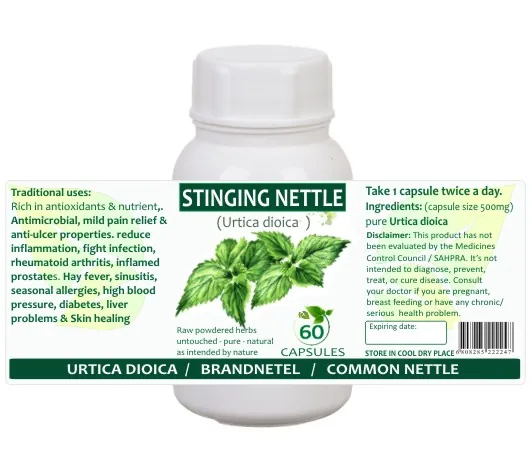
If you prefer a convenient capsule or tincture form of nettle, Stinging Nettle capsules or tincture offer a simple way to include this herb in your daily routine.
Recipe 2: Dandelion Root and Ginger Decoction
This warming, slightly bitter tonic is traditionally used to support liver and digestive function. The decoction method (simmering rather than steeping) is used for roots, which require more heat to release their active compounds.
- Ingredients: 1 teaspoon dried dandelion root, 1 teaspoon fresh grated ginger (or ½ teaspoon dried), 500ml water, a slice of lemon to serve
- Method: Combine dandelion root and ginger in a small saucepan with water. Bring to a gentle simmer and cook for 15–20 minutes. Strain into a mug and add a slice of lemon. Drink one cup before or after meals.
- Best time: Before lunch or dinner to support digestion
- Tip: The bitterness is intentional — bitter compounds stimulate digestive secretions and bile flow. You can add a small amount of honey if needed, but try to appreciate the bitterness as part of the medicine
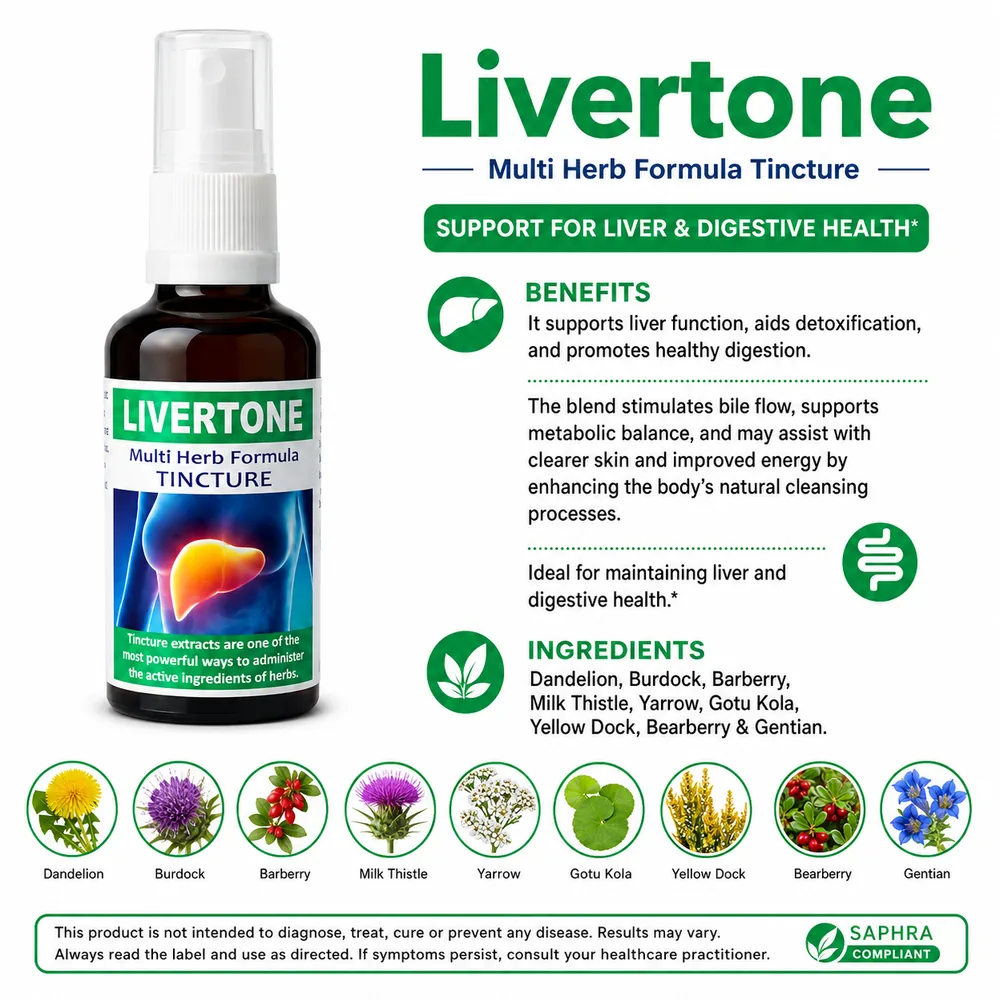
For a multi-herb formula that combines dandelion with burdock, milk thistle, and gotu kola, Livertone tincture or oxymel offers a convenient and well-rounded option for liver and digestive support this spring.
Recipe 3: Cleavers and Peppermint Cold Infusion
This refreshing cold infusion is ideal for warm spring days and is traditionally used to support the lymphatic system. Cold infusions preserve the delicate mucilaginous compounds in cleavers that are destroyed by heat.
- Ingredients: 2 tablespoons fresh cleavers (or 1 tablespoon dried), 1 teaspoon dried peppermint leaf, 500ml cold filtered water, a few slices of cucumber (optional)
- Method: Place cleavers and peppermint in a glass jar or jug. Cover with cold water and refrigerate overnight (8–12 hours). Strain and drink throughout the day. Add cucumber slices for a refreshing twist.
- Best time: Sip throughout the day as a hydrating tonic
- Tip: Fresh cleavers can be found growing in gardens and along fences in spring — look for the sticky, star-shaped leaves. If foraging, ensure the area is free from pesticides
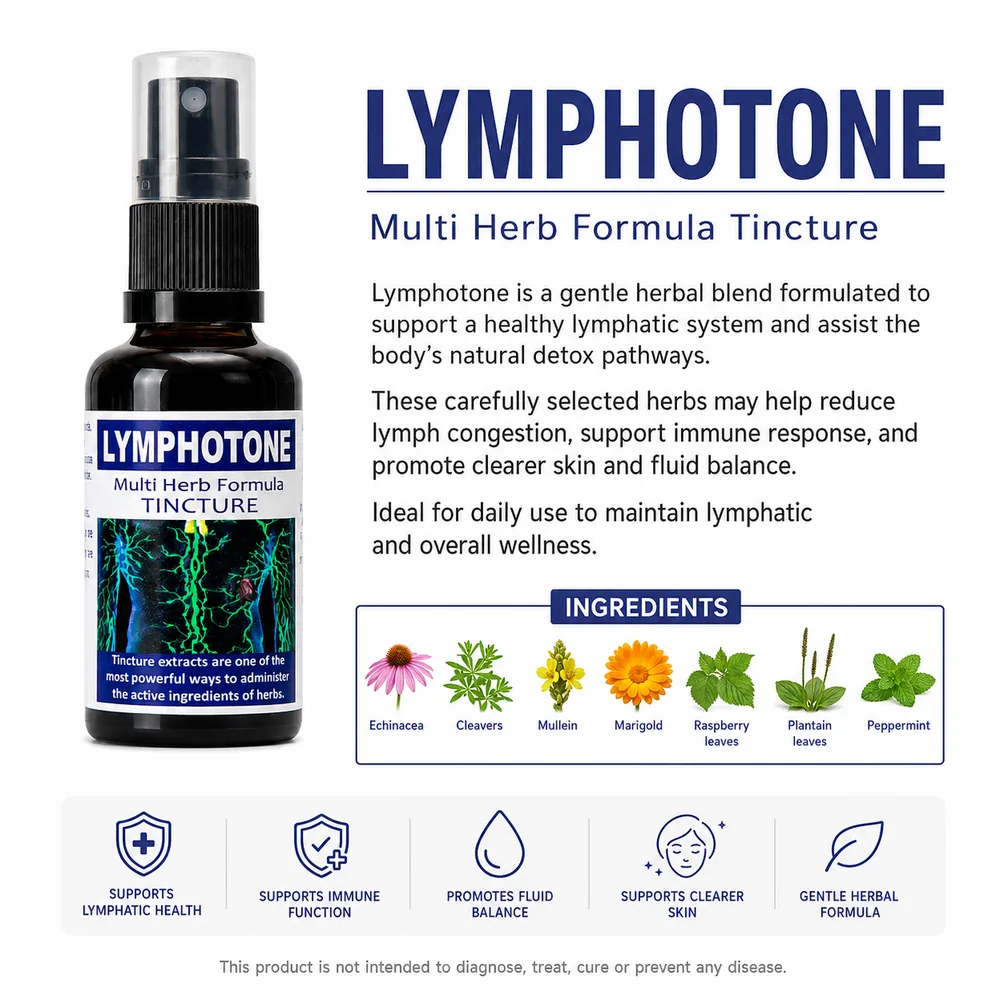
For a ready-made lymphatic support formula that includes cleavers alongside echinacea, mullein, and peppermint, Lymphotone tincture or oxymel is a convenient spring companion.
Recipe 4: Spring Renewal Blend — Nettle, Dandelion, and Burdock Tea
This is the most traditional of the four recipes — a multi-herb spring tonic that combines the mineral richness of nettle with the liver-supportive properties of dandelion and the lymphatic action of burdock. It is the kind of tea that traditional herbalists would have prepared at the start of each spring season.
- Ingredients: 1 teaspoon dried nettle leaf, 1 teaspoon dried dandelion leaf or root, ½ teaspoon dried burdock root, 500ml water, juice of half a lemon, raw honey to taste
- Method: If using dandelion root and burdock root, simmer in water for 15 minutes first. Add nettle leaf and steep for a further 10 minutes off the heat. Strain, add lemon juice and honey. Drink one to two cups daily for 4–6 weeks through spring.
- Best time: Morning or midday
- Tip: This blend can be made in larger batches and stored in the fridge for up to 48 hours. Gently reheat before drinking.
If you prefer a capsule-based approach that includes many of these same herbs — tulsi, burdock, dandelion, milk thistle, nettle, and turmeric — Blood Cleanser capsules offer a convenient multi-herb formula for everyday spring wellness.
Supporting Your Digestion This Spring
Spring tonics work best when the digestive system is functioning well. If you experience sluggish digestion, bloating, or poor appetite as you transition into the warmer months, supporting your digestive fire alongside your spring tonic practice can make a meaningful difference.
Herbs like chamomile, gentian, dandelion root, and ginger have been traditionally used to stimulate appetite, improve gastric secretions, and ease digestive discomfort. Digestoplus tincture or oxymel combines several of these herbs in a convenient format that can be taken before meals to support digestive readiness.
How to Build a Spring Tonic Practice
The key to getting the most from herbal spring tonics is consistency over time. Unlike pharmaceutical interventions, herbal tonics work gently and cumulatively — the benefits build over weeks of regular use rather than appearing overnight.
- Start simple: Begin with one recipe and drink it daily for at least two weeks before adding others
- Be consistent: Daily use over 4–6 weeks is more effective than occasional large doses
- Listen to your body: Notice how you feel — energy levels, digestion, skin clarity, and mood are all useful indicators
- Pair with seasonal eating: Spring tonics work beautifully alongside lighter, plant-rich meals — fresh salads, steamed greens, and seasonal vegetables
- Stay hydrated: Many spring herbs have gentle diuretic properties — ensure you are drinking adequate water throughout the day
- Rest and movement: Herbal support works best alongside adequate sleep and gentle daily movement — even a 20-minute walk in the spring sunshine makes a difference
Research Highlights
While spring tonics are rooted in traditional practice, several of their key ingredients have attracted scientific interest:
- Dandelion root: A 2021 study published in PMC (PubMed Central) found that dandelion root extract demonstrated hepatoprotective and antioxidant effects in experimental models, with polyphenols and taraxasterol identified as key active compounds
- Stinging nettle: Research reviewed in Phytotherapy Research (2022) highlighted nettle's anti-inflammatory properties, including inhibition of NF-κB pathways, and its potential to support seasonal allergy symptoms through antihistamine-like activity
- Burdock root: Studies have identified inulin (a prebiotic fibre), quercetin, and luteolin in burdock root, with research suggesting antioxidant and anti-inflammatory activity
- Ginger: Multiple systematic reviews have confirmed ginger's anti-inflammatory and digestive-supportive properties, with studies published in journals including Food & Function and Nutrients
It is important to note that most research on these herbs involves laboratory or animal models, and large-scale human clinical trials are still limited. The traditional use of these plants is well-established, but they should be understood as supportive wellness tools rather than treatments for specific medical conditions.
Safety and Considerations
Spring tonic herbs are generally well-tolerated by healthy adults when used as directed. However, there are some important considerations to keep in mind:
- Pregnancy and breastfeeding: Nettle, dandelion, and burdock should be used with caution during pregnancy. Consult a qualified healthcare practitioner before use
- Medication interactions: Dandelion may interact with diuretics, blood thinners, and medications processed by the liver. Nettle may interact with blood pressure medications and blood thinners. If you are on any regular medication, consult your doctor or pharmacist before adding herbal tonics to your routine
- Allergies: Those with known allergies to plants in the Asteraceae family (ragweed, chrysanthemums, marigolds) should exercise caution with dandelion
- Gallstones: Dandelion root stimulates bile flow and should be used with caution by those with gallstones or bile duct obstruction
- Foraging: If gathering fresh herbs, ensure you can positively identify the plant and that the area is free from pesticides and pollution
The information in this article is for educational purposes only and does not constitute medical advice. Always consult a qualified healthcare practitioner before beginning any new herbal wellness practice, particularly if you have an existing health condition or are taking medication.
Embrace the Season
Spring in South Africa is a gift — longer days, warmer air, and the natural world bursting back into colour. Your body is part of that natural world, and it responds to the season just as the plants do. A simple daily herbal tonic, made with care and intention, is one of the most grounding ways to honour that connection.
Whether you choose the mineral-rich simplicity of nettle and lemon, the liver-supportive warmth of dandelion and ginger, the refreshing lymphatic support of cleavers and peppermint, or the full renewal blend of all three — you are participating in a tradition that stretches back through generations of people who understood that the plants around us are medicine, and that the seasons are our guide.
Start with one cup. Drink it slowly. Notice how you feel. That is where spring wellness begins.
Products Mentioned
Explore the products featured in this article