Gentle Movement Wellness for Everyday Vitality
Gentle movement wellness often begins with small, steady choices that fit into real life. A short walk, a few stretches, or a simple yoga flow can help create a calmer rhythm, support everyday vitality, and make space for more ease in the day.
Instead of chasing intense routines, many people find that gentle movement feels more sustainable. In South Africa, where days can be busy, warm, and full of travel time or desk time, soft movement practices can become a practical form of self-care that doesn't demand much equipment, planning, or effort.
What gentle movement wellness really means
Gentle movement wellness is about consistency, comfort, and balance. It includes practices that ask the body to move with care rather than force, which can make them easier to keep up over time.
That might look like:
The beauty of this approach is that it supports your natural rhythm. Movement becomes something that fits into the day, rather than something that competes with it.
Gentle movement can also be wonderfully inclusive. It suits different ages, different schedules, and different energy levels. Some days it may be a full walk around the block, while other days it may simply be rolling the shoulders and taking a few deep breaths.
Yoga for wellbeing: a steady, quiet practice
Yoga for wellbeing doesn't need to be complicated. The most useful sequences are often the simplest ones: a long stretch through the spine, a gentle twist, a supported forward fold, or a few moments of stillness in mountain pose.
The value of yoga lies in its blend of movement and breath. When the breath slows down, the body often gets the message that it can soften a little too. This can make yoga a lovely anchor at the start or end of the day.
A simple home yoga rhythm
A short sequence might include:
1. Shoulder rolls and neck circles
2. Cat-cow to warm the spine
3. Child's pose for rest
4. Low lunge on each side
5. Seated forward fold
6. Gentle twisting from a seated position
Keep the pace unhurried. A cushion, folded blanket, or wall can make the practice more comfortable. There is no need to force flexibility or hold poses for long periods. The aim is ease, not performance.
For many South Africans, morning yoga can help set the tone before traffic, emails, or school runs. Evening yoga, on the other hand, can be a soothing way to transition into a quieter part of the day.
Stretching that supports everyday ease
Stretching is one of the simplest forms of gentle exercise South Africa can embrace at home, at work, or even outdoors. It doesn't need a special class or a large amount of time. A few mindful stretches can be built into daily life with very little disruption.
A useful rule is to stretch the places that spend the most time in one position. That might be the hips after sitting, the chest after working at a laptop, or the calves after a long day on your feet.
Easy stretches to work into the day
The key is to move slowly and breathe evenly. A stretch should feel like a soft opening, never a strain. When repeated regularly, these small moments of mobility can help the body feel more at home in daily life.
If it helps to create a ritual, a cup of herbal tea, a favourite playlist, or a quiet room can make stretching feel more inviting and easier to return to.
Walking for vitality in a South African lifestyle
Walking for vitality is one of the most accessible wellness habits around. It doesn't require much equipment, and it can be shaped around local routines, whether that means a brisk loop in the neighbourhood, a stroll on a game reserve walkway, or a gentle route along the coast.
Walking offers the special advantage of being both simple and versatile. It can be done alone, with a friend, after a meal, or while listening to something calming. It can be short or long, slow or slightly quicker, depending on the day.
In many cases, a regular walking habit is easier to keep than a high-intensity plan because it feels natural. The goal isn't to push, but to keep the body moving in a way that feels steady and enjoyable.
Ways to make walking more supportive
Walking can also be a lovely social habit. A weekly catch-up walk with a friend or family member can bring together connection, movement, and time outdoors in one gentle routine.
Building a gentle movement routine that lasts
The most useful wellness habits are the ones that feel realistic. A gentle movement routine doesn't need to be perfect, and it certainly doesn't need to be long. What matters most is repetition.
A simple weekly structure could look like this:
Pairing movement with existing habits can make it easier to remember. Stretch while the kettle boils. Walk after lunch. Roll out the mat before the shower. These small links help movement become part of life rather than another task on the list.
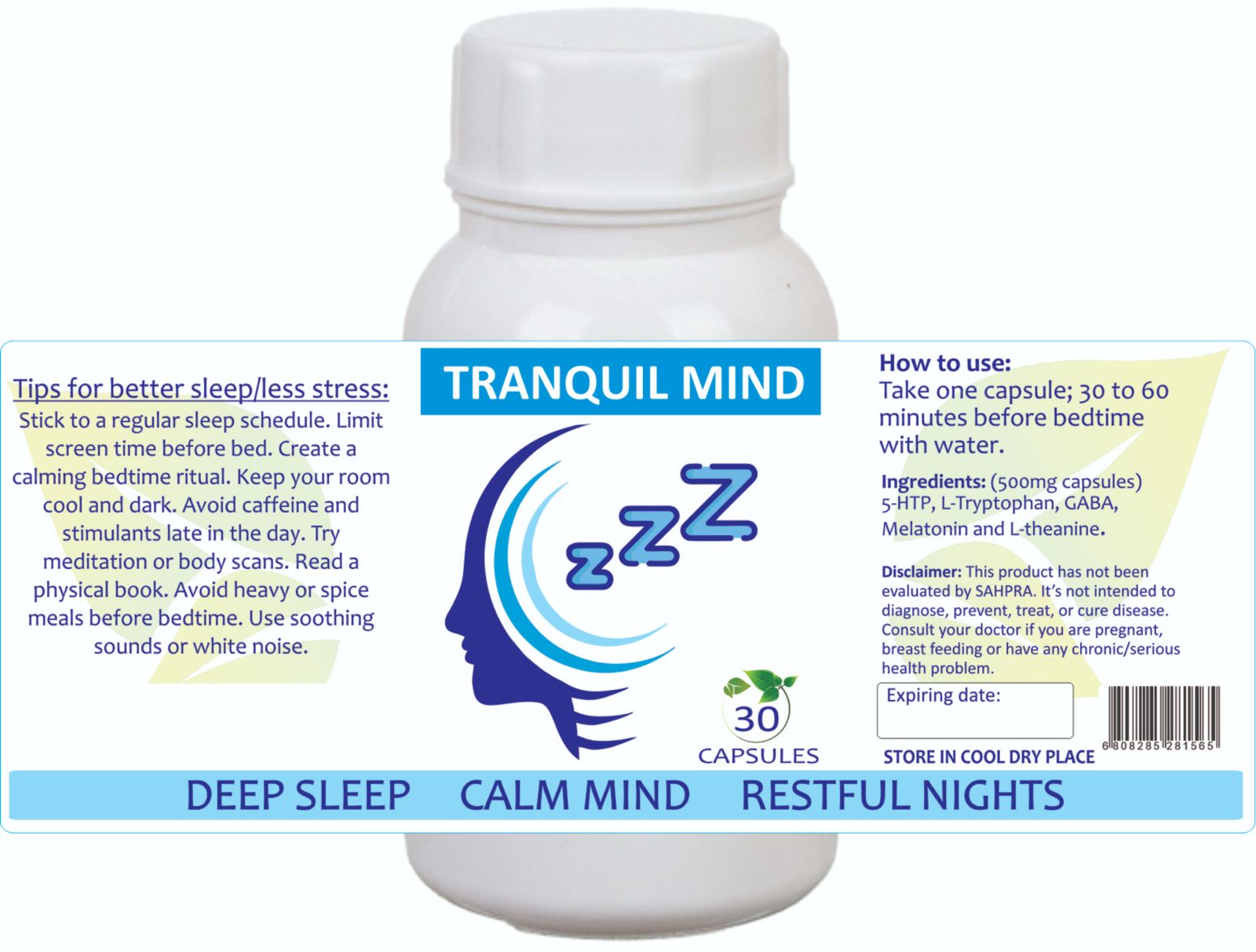
Supportive wellness tools can also play a role. Some people like to keep a calming routine around their movement practice, and products such as Tranquil Mind or Magnesium & Zinc may fit naturally into a broader everyday wellbeing rhythm, depending on individual preference and lifestyle.
The main idea is to keep it simple. Gentle movement works best when it feels like support, not pressure.
Small movements, steady vitality
Gentle movement wellness is really about returning to the basics: breathe, move, stretch, and walk with care. These practices don't ask for a dramatic routine. They simply invite a little more space, softness, and steadiness into the day.
Over time, that can be a beautiful way to support energy, comfort, and general wellbeing without making life feel more complicated.
This content is for general wellness information only and is not intended as medical advice.
For more grounded ideas on everyday nourishment, movement, and natural living, explore more on our blog.
Explore more on our [Lifestyle blog](/blog?category=lifestyle) — gentle ways to live well, naturally.
Frequently Asked Questions
What is gentle movement wellness?+
Gentle movement wellness is a simple approach to everyday vitality that focuses on soft, steady practices like yoga, stretching, and walking. It prioritises consistency and comfort over intensity.
How often should gentle movement be part of a routine?+
A little every day can be lovely, but even a few sessions a week can make a routine feel more balanced. The best rhythm is usually the one that fits naturally into real life.
Is yoga for wellbeing suitable at home?+
Yes, many simple yoga practices are well suited to home routines. A mat, a little space, and a few quiet minutes are often enough for a nourishing session.
How can walking for vitality become a lasting habit?+
Start with routes and times that feel easy to repeat, and link walking to daily moments such as lunch breaks or evening wind-down time. Familiarity often helps a habit feel more enjoyable.
Products Mentioned
Explore the products featured in this article