Spring Cleansing Herbal Drinks: Tonics and Infusions for the New Season
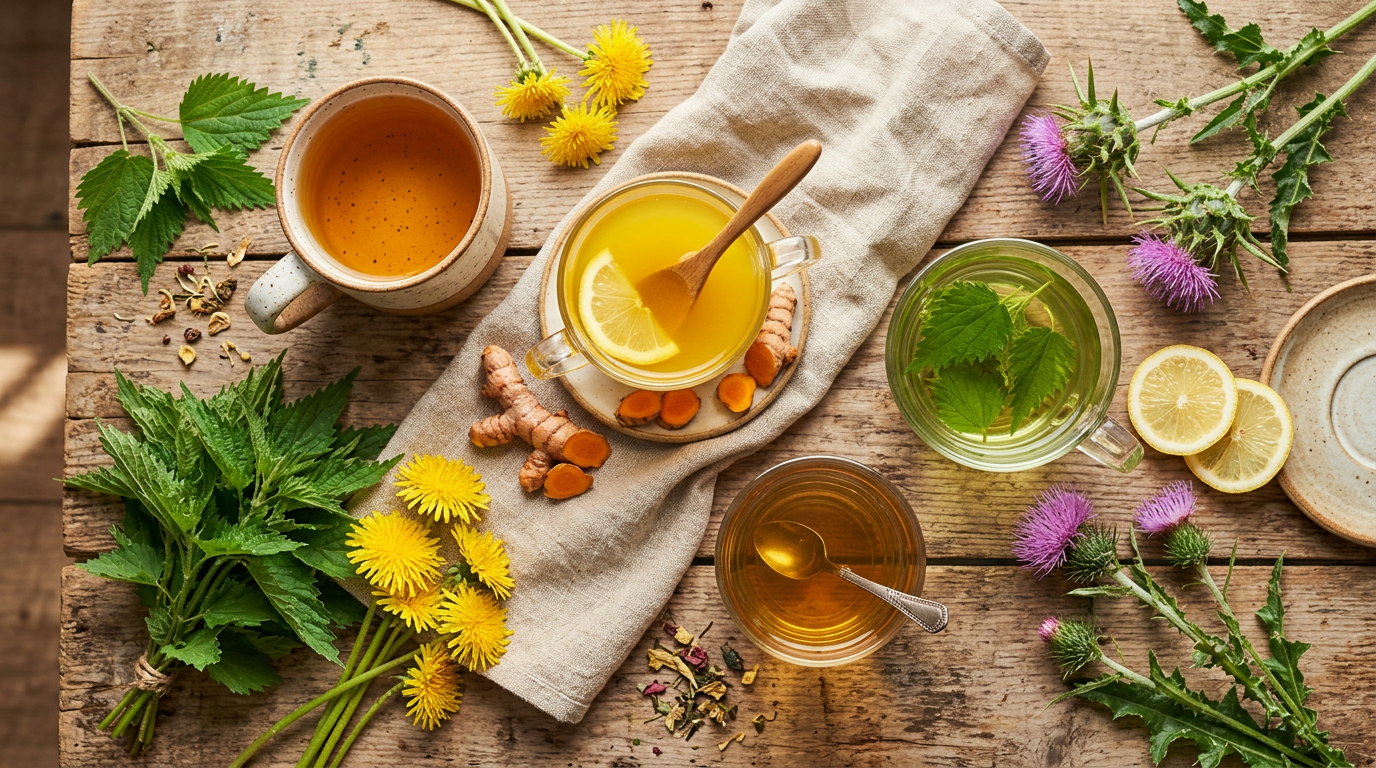
Welcome Spring: Why Your Body Craves a Seasonal Reset
There is something deeply instinctive about the way we respond to spring. As the days lengthen and the first jasmine blooms appear in South African gardens, many of us feel a quiet pull toward lightness — a desire to shed the heaviness of winter and step into the new season feeling refreshed. Traditional herbal medicine has honoured this impulse for centuries, and modern nutritional science is beginning to understand why it makes such good sense.
During the cooler winter months, our bodies naturally slow down. We tend to eat more warming, heavier foods, move less, and spend more time indoors. The liver, kidneys, and lymphatic system — our primary organs of elimination — work steadily throughout this time, but by the time spring arrives, many herbalists and naturopaths suggest that these systems benefit from a little extra support. Not a dramatic "flush" or extreme cleanse, but a gentle, nourishing approach using time-honoured herbs and wholesome drinks that have been used across cultures for generations.
This guide explores five herbal spring tonic drinks you can make at home, each rooted in traditional use and supported by emerging research. We will look at the herbs behind each recipe, what the science says, and how to incorporate them safely into your everyday wellness routine as the season turns.
Understanding the Body's Natural Cleansing Pathways
Before we dive into recipes, it is worth understanding what we mean by "supporting" the body's cleansing processes — because this is quite different from the dramatic "detox" claims you may have seen on social media.
Your liver is a remarkable organ. It performs over 500 functions, including filtering blood, metabolising nutrients, producing bile for digestion, and processing metabolic waste products. The kidneys filter approximately 200 litres of blood every day, excreting waste through urine. The lymphatic system moves fluid and immune cells throughout the body, helping to clear cellular debris. These systems do not need to be "detoxed" — they are already doing the work, continuously and efficiently.
What herbal spring tonics can do is support these organs — providing antioxidants that reduce oxidative stress, bitter compounds that stimulate bile flow and digestion, diuretic herbs that encourage healthy kidney function, and anti-inflammatory plant compounds that ease the burden on the liver. Think of it less as a "cleanse" and more as a seasonal tune-up: nourishing the systems that keep you well.
A Note on Evidence
The herbs featured in these recipes have long histories of traditional use across European, African, and Ayurvedic medicine traditions. Where human clinical studies exist, we have noted them. Where evidence is primarily from laboratory or animal studies, or from traditional use, we say so clearly. As always, if you are pregnant, breastfeeding, taking prescription medications, or managing a health condition, please consult your healthcare provider before adding new herbs to your routine.
Five Spring Tonic Drinks to Welcome the New Season
1. Milk Thistle and Lemon Morning Tonic
Milk thistle (Silybum marianum) is one of the most researched herbs for liver support. Its primary active compound, silymarin, has been shown in laboratory studies to act as a free radical scavenger, increase intracellular glutathione levels, and exhibit anti-inflammatory effects by modulating the NF-κB pathway. While clinical evidence in humans remains mixed — with some trials showing reduced liver enzyme levels in people with non-alcoholic fatty liver disease and others showing no significant effect — milk thistle is generally considered safe and well-tolerated, and it remains a cornerstone of traditional liver support herbalism.
This simple morning tonic combines milk thistle with fresh lemon juice, which provides vitamin C and supports bile production, and a pinch of black pepper to enhance absorption of plant compounds.
- 1 teaspoon milk thistle seed powder (or the contents of 1 milk thistle capsule)
- Juice of half a lemon
- 250ml warm (not boiling) water
- A pinch of black pepper
- Optional: a small drizzle of raw honey
Method: Stir the milk thistle powder into warm water. Add lemon juice, black pepper, and honey if using. Drink first thing in the morning, 15–20 minutes before breakfast. The slightly bitter taste is part of the medicine — bitters stimulate digestive secretions and prepare the gut for the day ahead.
Safety note: Milk thistle may interact with medications metabolised by the CYP450 enzyme system. If you take prescription medications, check with your pharmacist before use. Those with ragweed or daisy allergies should use with caution.
2. Dandelion Root and Ginger Digestive Tea
Dandelion root (Taraxacum officinale) has been used as a digestive bitter and liver tonic in European herbal medicine for centuries. It is rich in inulin — a prebiotic fibre that feeds beneficial gut bacteria — and contains polyphenols and flavonoids with antioxidant properties demonstrated in laboratory settings. Traditionally, dandelion root is used to stimulate bile flow, support digestion, and act as a gentle diuretic. It is worth noting that while these traditional uses are well-established, large-scale human clinical trials are limited, and the popular concept of "liver detox" is not supported by clinical science in the way it is often marketed.
Paired with ginger — which has been shown in multiple studies to reduce nausea, support gastric motility, and exhibit anti-inflammatory effects — this tea makes a warming, grounding afternoon drink.
- 1 tablespoon dried dandelion root (or 1 dandelion root tea bag)
- 1 teaspoon freshly grated ginger (or ½ teaspoon dried ginger powder)
- 500ml filtered water
- A slice of lemon to serve
Method: Simmer the dandelion root and ginger in water for 15 minutes. Strain, pour into a mug, and add a slice of lemon. Drink 1–2 cups daily, ideally after meals to support digestion.
Safety note: Dandelion may interact with diuretics, blood pressure medications, and anticoagulants. Those with gallstones or bile duct obstruction should consult a healthcare provider before use. Individuals with ragweed allergies may react to dandelion.
3. Nettle Leaf Spring Infusion
If there is one herb that embodies the spirit of spring, it is stinging nettle (Urtica dioica). Traditionally called a "spring tonic" across European herbal traditions, nettle leaf is exceptionally rich in vitamins A and C, iron, calcium, magnesium, and potassium — nutrients that may become depleted during the winter months when fresh greens are less abundant. Herbalists have long used nettle as an "alterative" — a herb that gradually restores normal function and vitality to the body.
Nettle also has a well-documented diuretic action, supporting the kidneys in excreting metabolic waste and uric acid. Research has shown anti-inflammatory properties in laboratory settings, and it is traditionally used to support seasonal allergy symptoms — particularly relevant as spring pollen season begins in South Africa.
- 2 tablespoons dried nettle leaf
- 500ml just-boiled water
- Optional: a sprig of fresh mint or a slice of lemon
Method: Place dried nettle in a teapot or heatproof jug. Pour over just-boiled water and steep for 10–15 minutes (longer steeping extracts more minerals). Strain and drink warm or allow to cool and drink as an iced infusion. This is a nourishing drink you can enjoy 2–3 times daily throughout spring.
Safety note: Nettle is generally very safe at food and tea quantities. Those taking blood thinners, diuretics, or blood pressure medications should consult their healthcare provider, as nettle may have additive effects.
4. Turmeric, Black Pepper and Honey Golden Tonic
Turmeric (Curcuma longa) needs little introduction in the wellness world, but its role in spring support is worth highlighting. Curcumin, turmeric's primary active compound, has been extensively studied for its anti-inflammatory and antioxidant properties. Multiple systematic reviews and meta-analyses have confirmed curcumin's ability to reduce markers of inflammation, including C-reactive protein (CRP) and interleukin-6. It has also been shown in some studies to support liver enzyme levels and protect hepatocytes from oxidative damage.
The key to getting the most from turmeric is bioavailability. Curcumin is poorly absorbed on its own, but combining it with black pepper — which contains piperine — has been shown in studies to increase curcumin absorption by up to 2000%. This simple tonic makes the most of that synergy.
- 1 teaspoon turmeric powder (or freshly grated turmeric root)
- ¼ teaspoon black pepper
- 1 teaspoon raw honey
- Juice of half a lemon
- 250ml warm water or warm coconut milk
- Optional: a pinch of cinnamon
Method: Whisk all ingredients together in a mug until well combined. Drink warm, once daily. This tonic is particularly lovely in the morning or as a mid-afternoon pick-me-up.
Safety note: Turmeric at culinary doses is very safe. At higher supplemental doses, it may interact with blood thinners and diabetes medications. Those with gallbladder issues should use with caution, as turmeric stimulates bile production.
5. Buchu and Lemon Balm Kidney Support Infusion
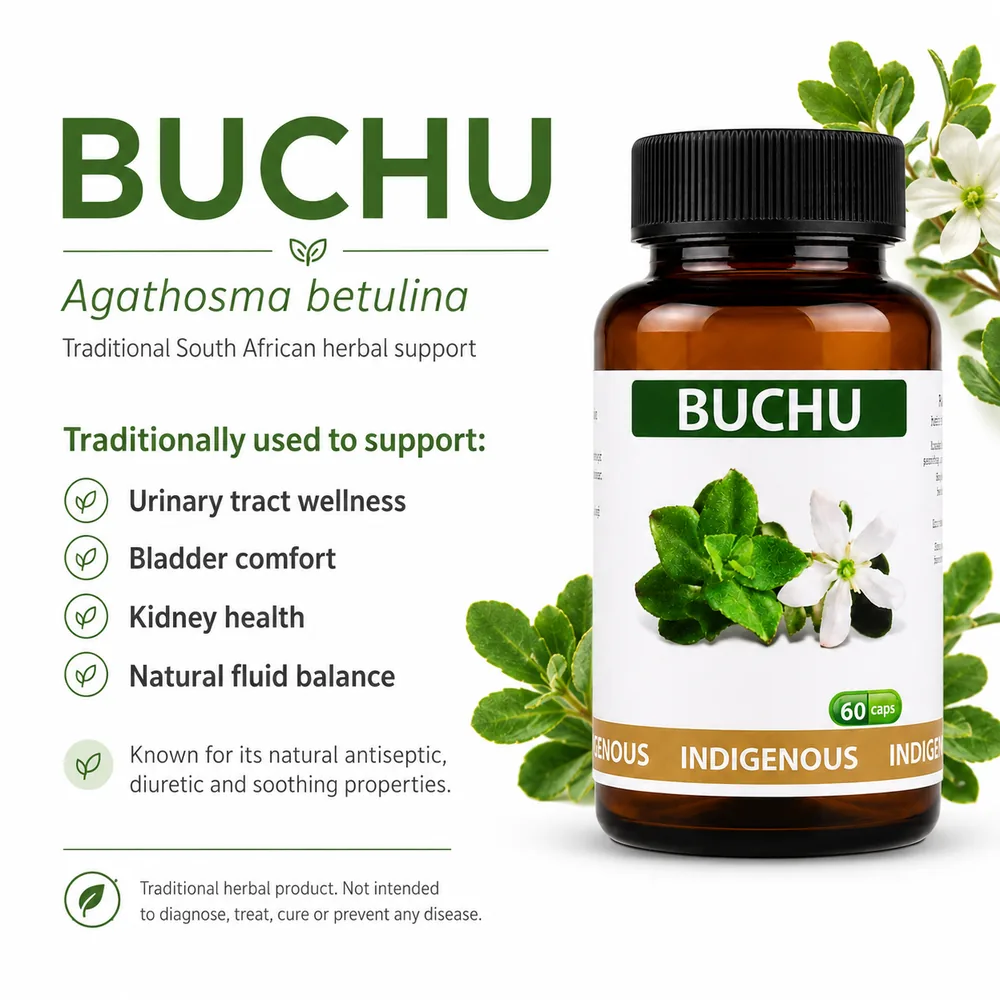
No spring tonic guide for South Africa would be complete without buchu (Agathosma betulina), one of our most treasured indigenous medicinal plants. Traditionally used by the Khoikhoi and San peoples for centuries, buchu has been valued for its support of the urinary tract and kidneys, its diuretic properties, and its role in supporting the body's natural cleansing processes. It has a distinctive, pleasant aroma — slightly fruity and herbal — that makes it a delightful tea.
Paired with lemon balm (Melissa officinalis), which is traditionally used to ease digestive discomfort and support a calm, settled nervous system, this infusion is a gentle, grounding way to end the day.
- 1 teaspoon dried buchu leaf
- 1 teaspoon dried lemon balm leaf
- 300ml just-boiled water
- A slice of lemon or a small drizzle of honey to taste
Method: Combine buchu and lemon balm in a teapot or infuser. Pour over just-boiled water and steep for 7–10 minutes. Strain and enjoy warm in the evening. Buchu tea has a naturally pleasant flavour that most people enjoy without any sweetener.
Safety note: Buchu is generally well-tolerated. It should be avoided during pregnancy. Those with kidney disease should consult a healthcare provider before use.
Building a Spring Tonic Routine
The beauty of herbal spring tonics is that they work best as part of a consistent, gentle routine rather than as a short-term intensive programme. Here are some practical tips for incorporating these drinks into your daily life:
- Start with one drink at a time. Introduce one new herbal drink per week so you can observe how your body responds and identify any sensitivities.
- Pair with seasonal eating. Spring is the perfect time to increase your intake of fresh greens, bitter leaves (rocket, watercress, dandelion greens), and colourful vegetables. These foods naturally support the liver and digestive system.
- Stay well hydrated. Herbal teas count toward your daily fluid intake, but plain water remains essential. Aim for at least 1.5–2 litres of total fluids daily.
- Move your body gently. Light movement — walking, yoga, stretching — supports lymphatic circulation, which does not have its own pump and relies on muscle movement to flow.
- Prioritise sleep. The liver does much of its processing work during the night. Consistent, quality sleep is one of the most powerful things you can do to support your body's natural cleansing pathways.
- Reduce the burden. Limiting alcohol, processed foods, and excess sugar during spring gives your liver less to process and more capacity to support your overall wellbeing.
What the Research Tells Us
It is worth being honest about the state of the evidence for herbal spring tonics. The herbs featured in these recipes have strong traditional use histories and promising laboratory and animal study data. However, large-scale, well-designed human clinical trials are limited for many of them, and the concept of "detoxing" the liver through herbal drinks is not supported by clinical science in the way it is often marketed.
What we can say with confidence is this:
- Milk thistle's silymarin has demonstrated antioxidant and anti-inflammatory effects in laboratory studies, and some clinical trials have shown benefits for specific liver conditions (Abenavoli et al., Molecules, 2018).
- Curcumin from turmeric has been shown in multiple meta-analyses to reduce inflammatory markers, including CRP and IL-6 (Sahebkar et al., Critical Reviews in Food Science and Nutrition, 2016).
- Nettle leaf has demonstrated anti-inflammatory activity in laboratory settings and has a well-established traditional use as a spring tonic and nutritive herb.
- Dandelion root's inulin content provides prebiotic support for gut microbiome health, which is well-established in nutritional science.
- Buchu has a long history of traditional use in South African herbal medicine for urinary tract and kidney support.
The honest conclusion is that these herbs are unlikely to cause harm when used appropriately, have meaningful traditional use histories, and show promising early-stage research. They are best understood as supportive tools within a broader healthy lifestyle — not as cures or treatments for any specific condition.
Herbal Support from Medicine Like Food
If you would like to go deeper into herbal liver and cleansing support, Medicine Like Food offers a range of carefully formulated products that bring these traditional herbs together in convenient, high-quality formats.
Liverpro is our dedicated herbal formula for liver health and detoxification support, combining traditional liver-supportive herbs in capsule form for everyday use.
For those who prefer a liquid format, Livertone is available as a tincture or oxymel — a traditional preparation combining herbal extracts with honey and apple cider vinegar for a pleasant, easy-to-take daily tonic.
Our Cleanse and Environmental Detox Bundle brings together Blood Cleanser, ETP (Environmental Toxin Protection), and Livertone for full-body seasonal wellness support — everything you need together in one thoughtfully curated system.
For digestive tract support alongside your spring tonic routine, Intestopro combines activated charcoal, bentonite clay, slippery elm, flaxseed, fennel, and peppermint for gentle digestive cleansing and comfort.
And for those who love the unique South African herb buchu, our Buchu capsules and tincture make it easy to incorporate this indigenous treasure into your daily routine.
Safety and Disclaimer
The recipes and information in this article are intended for educational purposes and general wellness support. They are not intended to diagnose, treat, cure, or prevent any disease or medical condition. Herbal medicines can interact with prescription medications and may not be appropriate for everyone.
Please consult your healthcare provider before beginning any new herbal supplement or tonic programme, particularly if you are:
- Pregnant or breastfeeding
- Taking prescription medications (especially blood thinners, diuretics, diabetes medications, or immunosuppressants)
- Managing a chronic health condition, particularly liver, kidney, or gallbladder disease
- Known to have allergies to plants in the Asteraceae family (ragweed, daisies, marigolds)
Start with small amounts of any new herb and observe your body's response. If you experience any adverse effects, discontinue use and consult a healthcare professional.
Embracing the Season
Spring in South Africa is a time of extraordinary beauty — the fynbos blooms, the days warm, and the world seems to exhale after winter. It is a natural time to align your wellness practices with the season: to lighten your diet, move your body more, spend time outdoors, and nourish yourself with the plants that have supported human health for thousands of years.
These five herbal spring tonic drinks are a simple, accessible way to begin. You do not need expensive equipment or exotic ingredients — just a few quality herbs, some warm water, and a willingness to slow down and savour the ritual of making something nourishing for yourself.
Whether you start with a morning milk thistle tonic, a warming dandelion and ginger tea after lunch, or a calming buchu and lemon balm infusion before bed, you are participating in a tradition of seasonal self-care that stretches back through generations of herbalists, healers, and home cooks who understood that the plants around us hold remarkable gifts — if we take the time to listen.
Here is to a vibrant, nourishing spring season. 🌿
Products Mentioned
Explore the products featured in this article