Homemade Elderberry Syrup: Your Winter Immune Support Recipe
Why Elderberry Syrup Belongs in Every South African Winter Kitchen
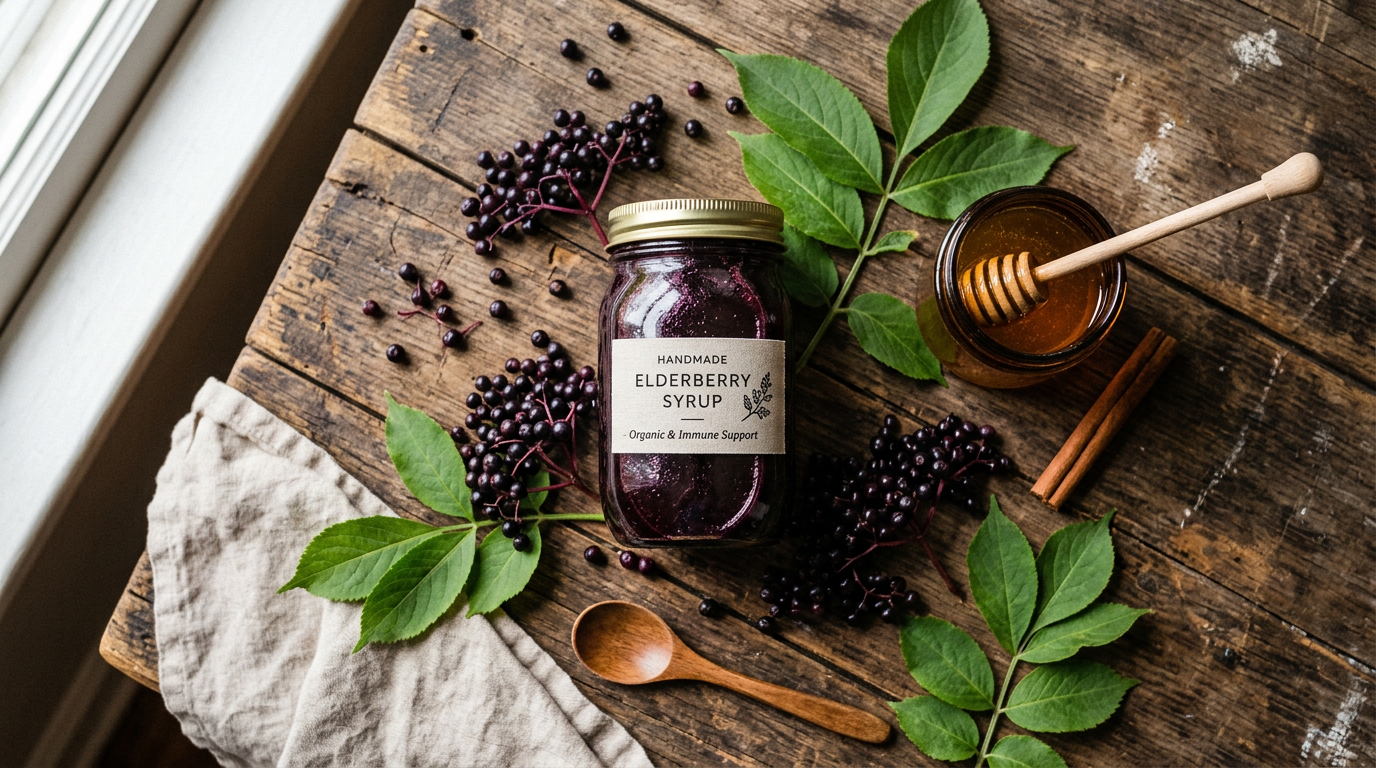
There is something deeply satisfying about making your own medicine. When the winter chill settles over South Africa — from the misty mornings of the Cape to the crisp highveld nights — the kitchen becomes a place of quiet, purposeful ritual. Simmering a pot of dark, jewel-toned elderberries with warming spices fills the home with an aroma that feels, quite literally, like care made visible.
Elderberry syrup has been a staple of folk medicine for centuries. Long before laboratory science could explain why it worked, herbalists across Europe and the Americas were reaching for Sambucus nigra — the black elder — at the first sign of a cold or flu. Today, we have a growing body of peer-reviewed research that helps us understand what traditional healers already knew: elderberry is a genuinely remarkable plant, and when prepared correctly, it offers meaningful support for the immune system during the months when we need it most.
This guide walks you through a simple, effective homemade elderberry syrup recipe, explains the science behind why it works, and shares how to use it safely as part of your winter wellness routine. Whether you are new to herbal preparations or a seasoned home herbalist, this is one recipe worth keeping close.
What Is Elderberry and Why Does It Matter?
Sambucus nigra, commonly known as black elderberry, is a flowering plant native to Europe and North America. Its small, dark purple-black berries are extraordinarily rich in bioactive compounds — particularly anthocyanins, the pigments responsible for their deep colour, as well as flavonoids, polyphenols, and vitamins A and C.
These compounds are not merely decorative. Research published in peer-reviewed journals has identified several mechanisms through which elderberry may support immune function:
- Antiviral activity: Laboratory studies have shown that elderberry extracts can inhibit multiple strains of the influenza virus, potentially by binding to viral particles and preventing them from attaching to and entering host cells.
- Immunomodulation: Elderberry has been shown to stimulate the production of cytokines — signalling proteins that help coordinate the immune response — in human monocytes. This suggests it may help activate the body's natural defences.
- Antioxidant protection: The high anthocyanin content provides significant antioxidant activity, helping to neutralise free radicals that can damage cells during periods of illness or stress.
- Anti-inflammatory effects: Several studies have noted anti-inflammatory properties, which may help ease the discomfort associated with respiratory infections.
A meta-analysis of randomised, controlled clinical trials — published in the journal Complementary Medicine Research (2016) — found that black elderberry supplementation substantially reduced upper respiratory symptoms. A separate double-blind, placebo-controlled study found that elderberry supplementation shortened the duration of influenza symptoms to approximately 3–4 days compared to the placebo group. These are meaningful findings, even as researchers continue to call for larger, more rigorous trials.
The Homemade Elderberry Syrup Recipe
Making elderberry syrup at home is straightforward, but there are a few non-negotiable safety steps. Raw elderberries contain cyanogenic glycosides — compounds that can release cyanide if consumed uncooked. Proper simmering neutralises these compounds entirely, making the syrup safe and beneficial. Never consume raw elderberries.
What You Will Need
- 1 cup (approximately 100g) dried black elderberries (Sambucus nigra)
- 3 cups (750ml) filtered water
- 1 cinnamon stick (or ½ teaspoon ground cinnamon)
- 1 teaspoon freshly grated ginger (or ½ teaspoon ground ginger)
- 4–5 whole cloves
- ½ cup (125ml) raw honey (added after cooling — never heat honey above 40°C)
- Optional: juice of half a lemon, added after straining
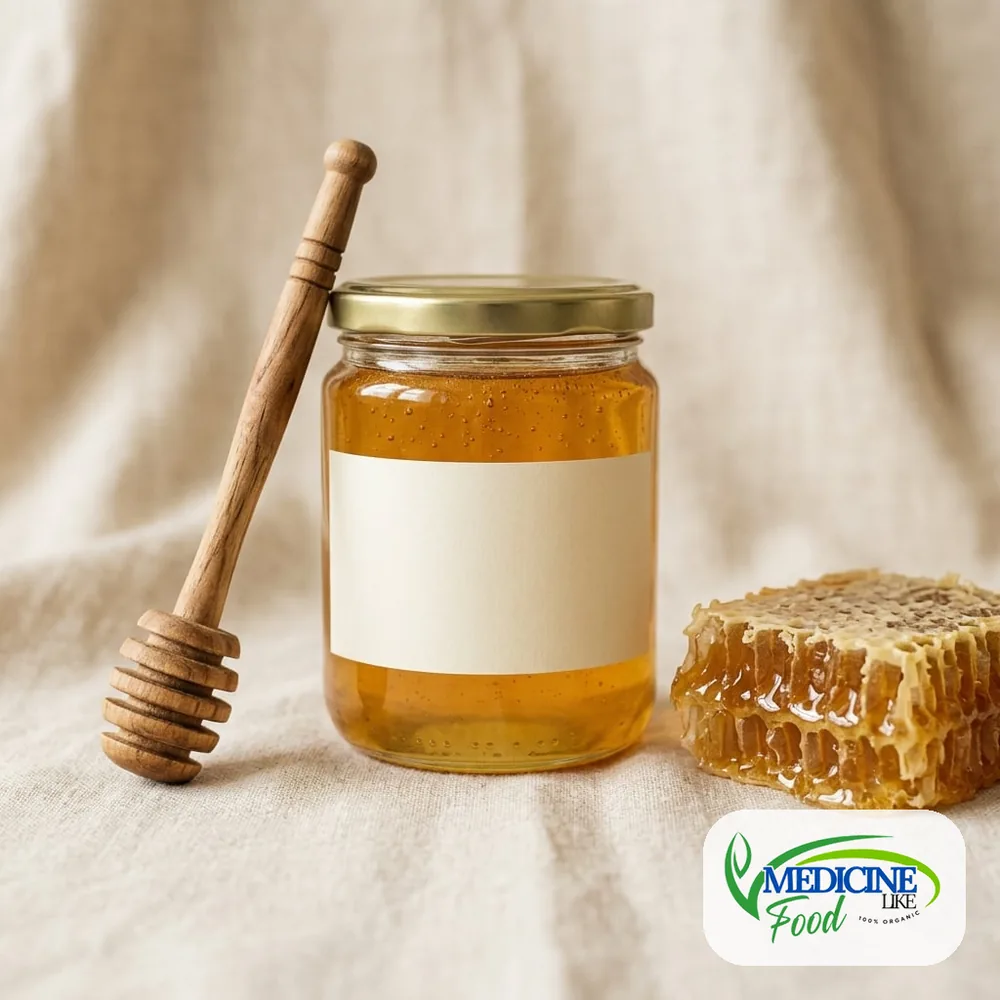
A note on honey: raw honey is not just a sweetener here. It contributes its own antimicrobial and soothing properties, particularly for the throat. Medicine Like Food's Raw Honey is sourced from organic apiaries and retains its natural enzymes — exactly what you want in a wellness preparation like this.
Step-by-Step Method
- Combine: Place the dried elderberries, water, cinnamon, ginger, and cloves in a medium saucepan. Bring to a gentle boil over medium heat.
- Simmer: Reduce the heat and simmer uncovered for 45 minutes to 1 hour, until the liquid has reduced by approximately half. This step is essential — it neutralises the cyanogenic glycosides and concentrates the beneficial compounds.
- Mash and strain: Remove from heat. Use the back of a spoon or a potato masher to gently press the berries, releasing their juice. Strain through a fine-mesh sieve or cheesecloth into a clean glass jar or bowl. Discard the solids.
- Cool: Allow the liquid to cool to lukewarm (below 40°C) before the next step. Adding honey to hot liquid destroys its beneficial enzymes.
- Sweeten: Stir in the raw honey until fully dissolved. Add lemon juice if using.
- Store: Pour into a sterilised glass jar with a tight-fitting lid. Refrigerate immediately.
Storage and Shelf Life
- Refrigerator: Keeps for 2–3 months in an airtight glass container.
- Freezer: Freeze in ice cube trays for single-dose portions; lasts 6–12 months.
- Extended shelf life: Adding 1–2 tablespoons of brandy or vodka to the finished syrup can extend refrigerated shelf life further, though this is optional.
How to Use Your Elderberry Syrup
Elderberry syrup is most effective when used consistently during the winter months, and at the earliest sign of illness. Here are practical guidelines:
Preventive Use (Daily Maintenance)
- Adults: 1 tablespoon (15ml) daily
- Children over 12 months: 1 teaspoon (5ml) daily
- Take in the morning, straight from the spoon, stirred into warm water, or drizzled over porridge
At the First Sign of Illness
- Adults: 1 tablespoon, 3–4 times daily for the duration of symptoms
- Children over 12 months: 1 teaspoon, 3–4 times daily
- Research suggests elderberry is most effective when started within 48 hours of symptom onset
These are traditional and anecdotal dosage guidelines, not standardised medical recommendations. Always consult a healthcare practitioner for personalised advice, especially for children, the elderly, or those with underlying health conditions.
Enhancing Your Winter Immune Support
Elderberry syrup is a wonderful foundation, but it works best as part of a broader approach to winter wellness. Here are some complementary strategies and products that can help you go deeper with your immune support this season:
Zinc and Vitamin C: The Classic Immune Duo
Zinc is essential for the development and function of immune cells, and research consistently shows that zinc deficiency impairs immune response. Vitamin C, meanwhile, supports the production and function of white blood cells and acts as a powerful antioxidant. Together, they form a cornerstone of evidence-based immune nutrition.
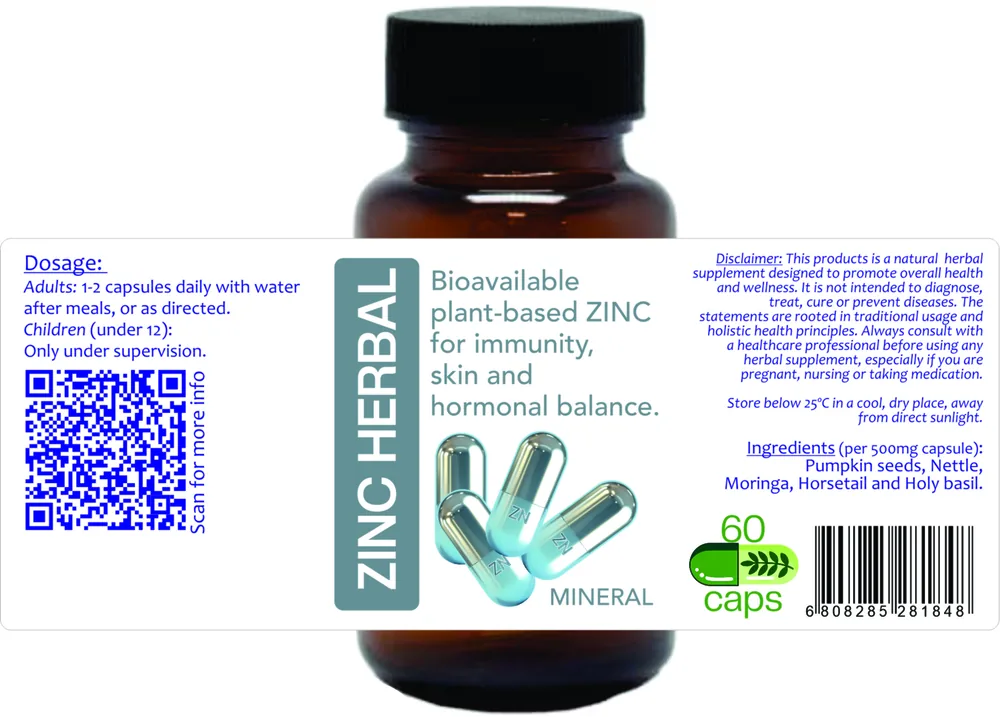
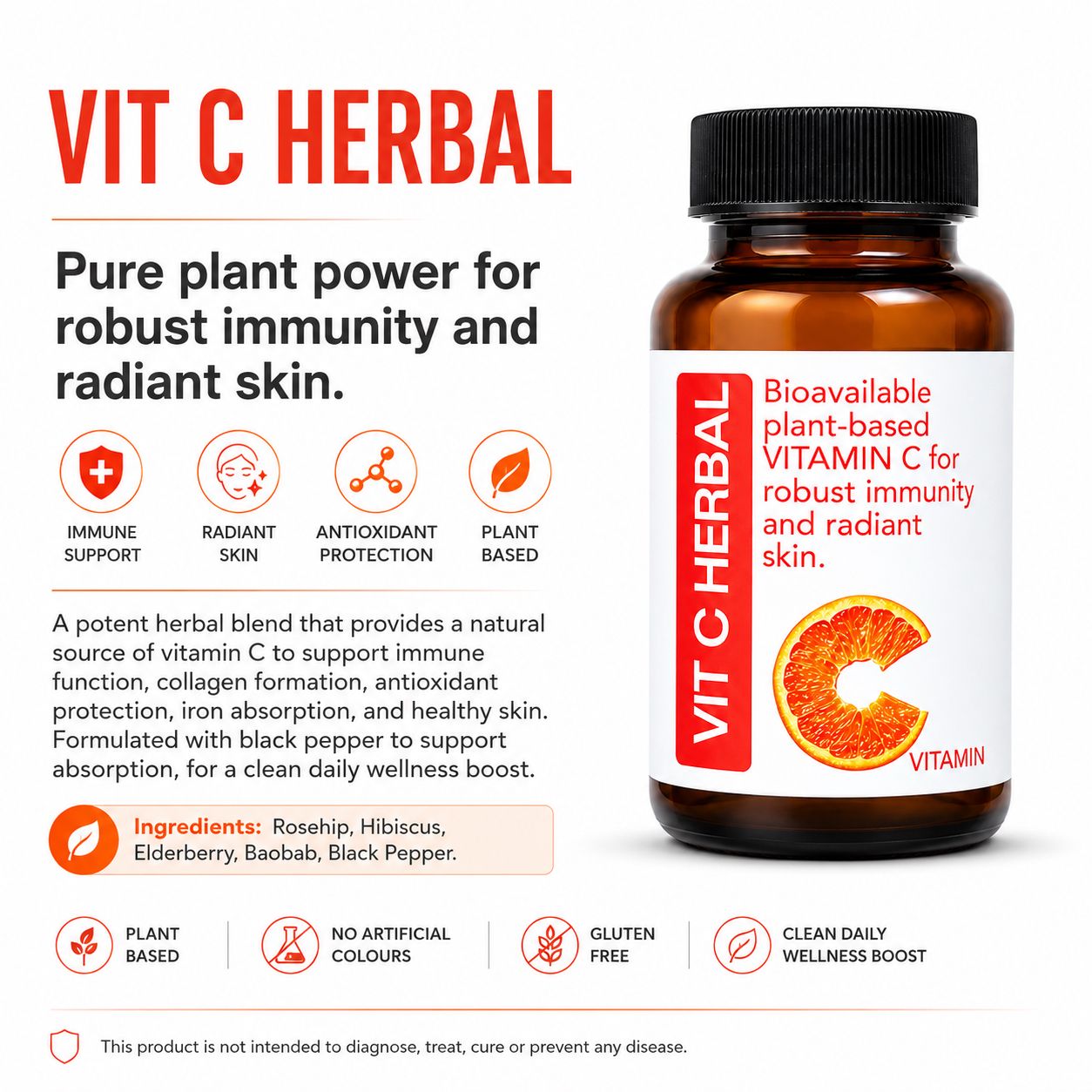
Medicine Like Food's Zinc Herbal capsules provide bioavailable, plant-based zinc — a form that is well-absorbed and gentle on the digestive system. Pair these with Vitamin C Herbal capsules, which deliver plant-sourced vitamin C alongside natural bioflavonoids that enhance absorption and antioxidant activity. This combination gives your immune system full support through the winter months.
Warming Spices for Circulation and Comfort
The ginger and cinnamon in your elderberry syrup are not just for flavour. Ginger has been traditionally used for centuries to support circulation, ease nausea, and warm the body from within. Cinnamon offers antimicrobial properties and helps regulate blood sugar — important during winter when we tend to reach for more comfort foods.
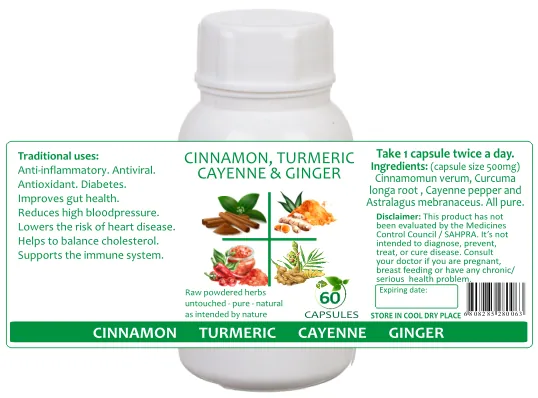
If you want to extend these benefits beyond your syrup, Medicine Like Food's 4-in-1 Spice capsules combine cinnamon, turmeric, cayenne, and ginger in a convenient daily supplement — a traditional herbal remedy that supports natural healing and warmth from the inside out.
A Multi-Herb Immune Formula
For those who want everything they need together in a single, carefully formulated supplement, Immunopro from our Pro Range is designed specifically to support healthy immune function. It combines a synergistic blend of immune-supportive herbs, making it an ideal companion to your homemade elderberry syrup — particularly during periods of high exposure or when you feel your defences need extra reinforcement.
What the Research Says: An Honest Assessment
It is important to be clear about what the science does and does not tell us about elderberry. Here is an honest summary:
- Shown in studies to: Reduce the duration of cold and flu symptoms when taken early; inhibit influenza virus replication in laboratory settings; stimulate cytokine production in immune cells; provide significant antioxidant activity.
- Traditionally used for: General immune support, respiratory infections, fever management, and as a tonic during winter months — uses that span centuries across multiple cultures.
- Not yet established: Prevention of viral infection; efficacy against COVID-19 or other novel viruses; long-term safety data for continuous use over many months.
The National Center for Complementary and Integrative Health (NCCIH) notes that while elderberry shows promise, more large-scale clinical trials are needed before definitive claims can be made. This is the honest, evidence-based position — and it does not diminish elderberry's value as a supportive wellness tool. It simply means we use it wisely, as part of a broader approach to health, not as a replacement for medical care.
Safety, Precautions, and Who Should Be Careful
Elderberry syrup is generally well-tolerated by healthy adults and children over 12 months. However, there are important safety considerations to keep in mind:
- Never consume raw elderberries. Always cook them thoroughly to neutralise cyanogenic glycosides. This applies to the berries, leaves, stems, and bark.
- Infants under 12 months: Do not give honey to babies under one year old due to the risk of infant botulism. Use an alternative sweetener such as maple syrup if making syrup for very young children, and consult your paediatrician first.
- Autoimmune conditions: Because elderberry may stimulate immune activity, individuals with autoimmune diseases (such as lupus, rheumatoid arthritis, or multiple sclerosis) should consult their healthcare provider before use.
- Immunosuppressive medications: Elderberry may interact with medications that suppress the immune system. Speak to your doctor or pharmacist if you are on such medications.
- Pregnancy and breastfeeding: Insufficient safety data exists for these groups. Consult your healthcare provider before use.
- Correct identification: If foraging elderberries, ensure correct identification. Only blue-black varieties (Sambucus nigra and Sambucus canadensis) are used medicinally. Red-berried varieties are toxic.
This recipe and the information in this article are for educational purposes only and do not constitute medical advice. Always consult a qualified healthcare practitioner before starting any new supplement or herbal preparation, particularly if you have an existing health condition or are taking medication.
A Ritual Worth Keeping
There is something quietly powerful about making your own elderberry syrup. It connects you to a long lineage of people who understood that food and medicine are not separate things — that the kitchen can be a place of healing, and that the plants around us hold genuine wisdom.
This winter, we invite you to slow down, simmer a pot of elderberries, and fill your home with that deep, warming aroma. Take your daily spoonful with intention. Support your immune system with the full range of tools available to you — from your homemade syrup to the carefully formulated supplements that can help you go deeper with your wellness.
Your body is remarkable. Give it what it needs to thrive — even in the coldest months.
Explore our full range of immune-supportive products at Medicine Like Food, and share this recipe with someone who could use a little extra warmth this winter. 🌿
Products Mentioned
Explore the products featured in this article