Herbal Tea Recipes for Calm and Comfort at Home
Why homemade herbal tea feels so comforting
There is something deeply grounding about making tea from scratch. The act itself can slow the day down: measuring herbs, warming the kettle, breathing in the steam, and pouring a cup with care. That is part of the beauty of herbal tea recipes — they are less about fuss and more about creating a small ritual of comfort.
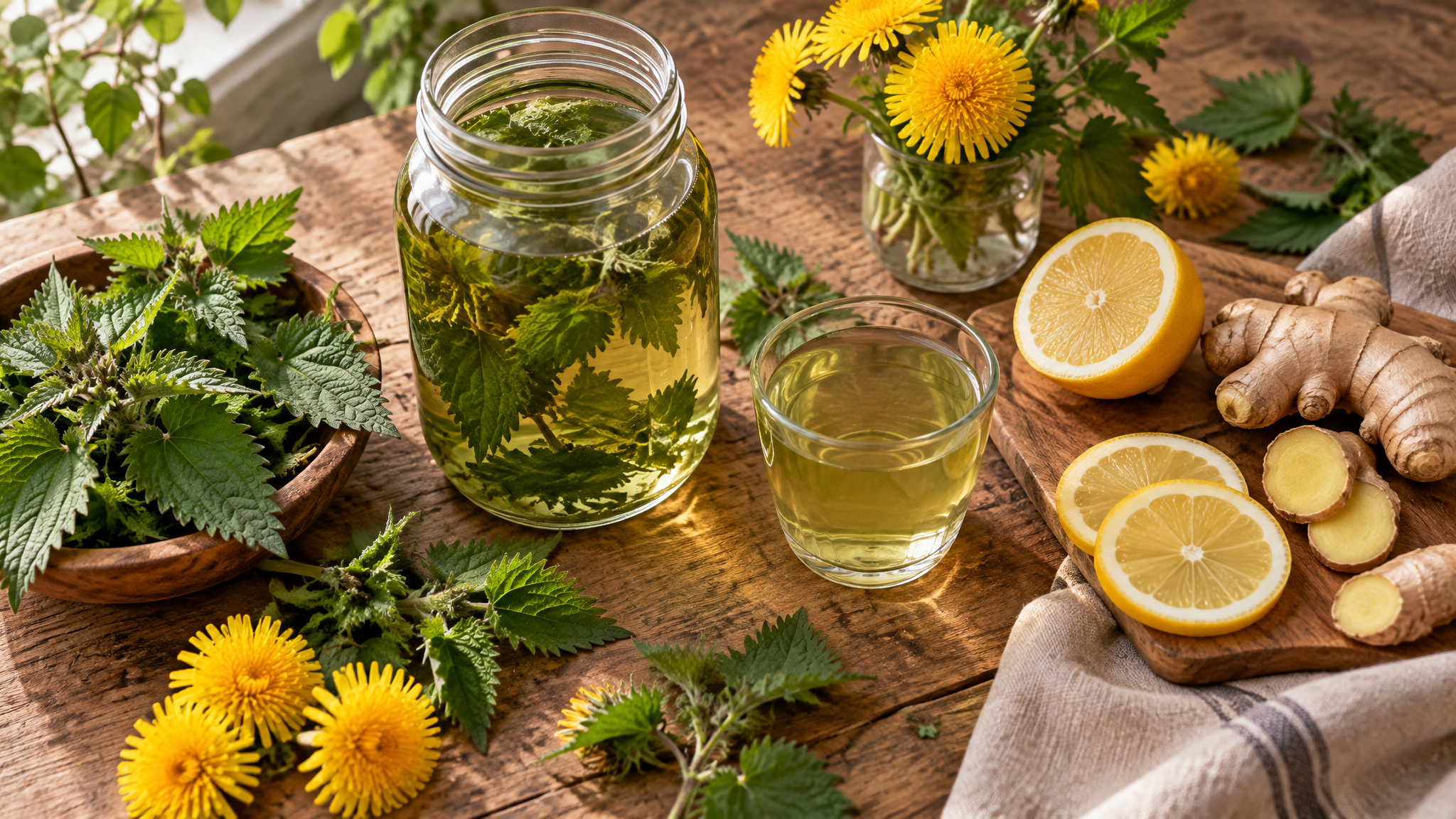
For many South Africans, tea is already woven into everyday life. A homemade herbal tea South Africa style often uses ingredients that are easy to find in local shops, spaza stores, markets, or your own kitchen garden. Think rooibos, mint, lemon, ginger, chamomile, fennel, and honey. These simple ingredients can be blended into wellness tea blends that feel soothing, fragrant, and easy to enjoy at any time of day.
When you make tea at home, you can also adjust the flavour to suit your mood: softer and floral, bright and citrusy, or rich and earthy. The goal is not perfection. It is to create a cup that supports calm, comfort, and everyday wellbeing.
A few helpful basics before you start
Good herbal tea recipes begin with a simple method and a few quality ingredients. You do not need fancy equipment. A small pot, a teapot, or even a mug with a lid is enough.
Simple brewing tips
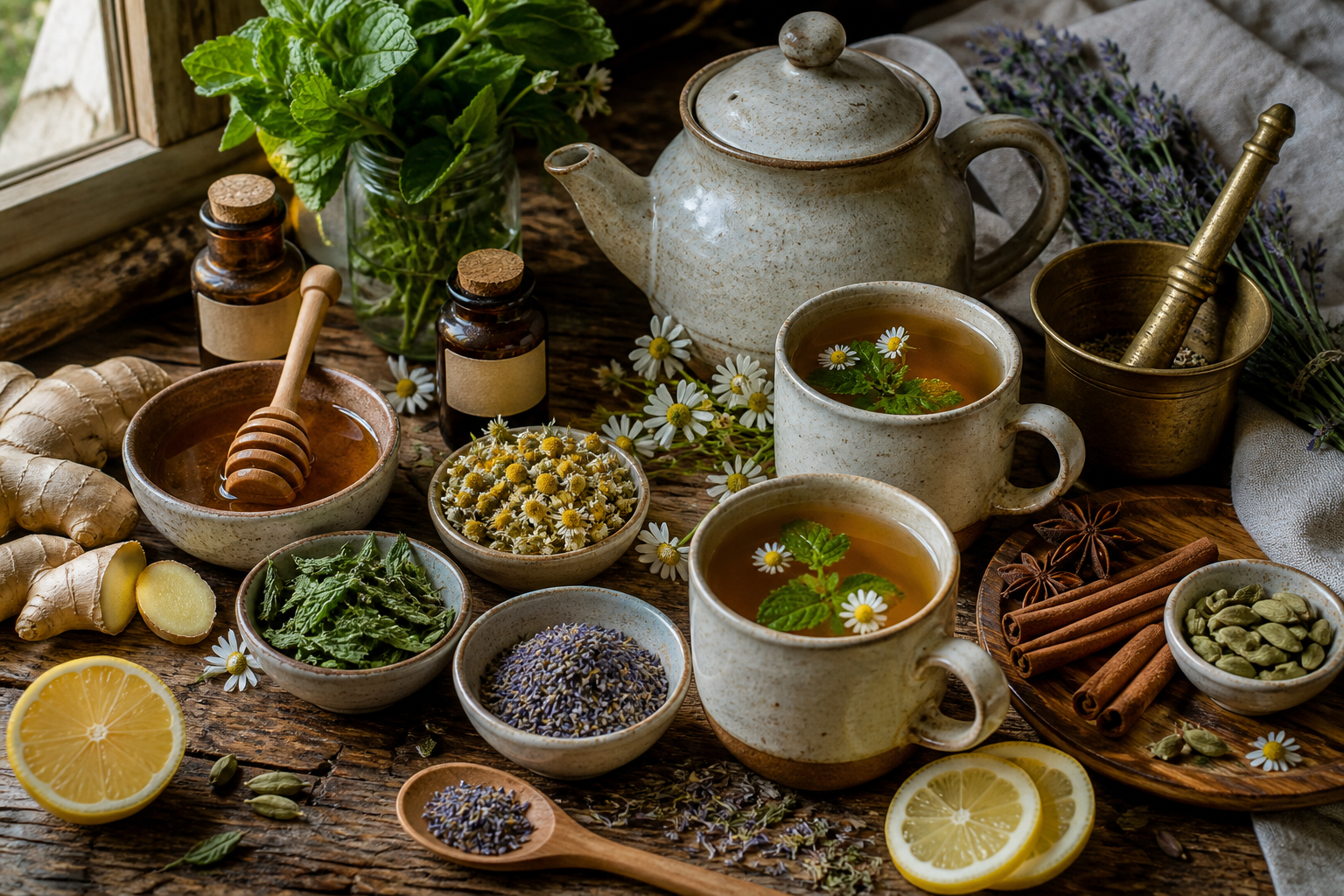
Pantry herbs that work well
These herbs and spices are excellent for building wellness tea blends that feel warming in winter and refreshing in summer.
Calm and comfort tea recipes to make at home
Below are four easy herbal tea recipes that you can enjoy as part of your daily routine. Each one has a slightly different character, so you can choose depending on the moment.
1. Rooibos, Chamomile, and Honey Calm Tea
This calming tea recipe is soft, golden, and naturally comforting. Rooibos brings a familiar South African base, while chamomile adds a gentle floral note.
#### Ingredients
#### Method
1. Place the rooibos and chamomile into a teapot or mug.
2. Pour over the hot water.
3. Cover and steep for 5 to 7 minutes.
4. Strain into a cup.
5. Stir in honey and add lemon if desired.
This is one of the easiest herbal tea recipes to return to in the evening, especially when you want a quiet, grounded cup.
2. Ginger, Lemon, and Mint Comfort Tea
Bright, fresh, and gently warming, this blend is lovely after a long day or when you want something lively but soothing.
#### Ingredients
#### Method
1. Add the ginger and mint to a mug or teapot.
2. Pour in the boiling water.
3. Add the lemon slice.
4. Steep for 5 minutes.
5. Strain, then sweeten lightly if you like.
For a stronger flavour, bruise the mint gently before adding it. This is a simple homemade herbal tea South Africa households can make year-round with easy-to-find ingredients.
3. Fennel and Cinnamon Warming Tea
This is a beautifully fragrant cup with a softly sweet aroma. Fennel and cinnamon make a cosy pair, especially in cooler weather.
#### Ingredients
#### Method
1. Lightly crush the fennel seeds to release their aroma.
2. Add fennel and cinnamon to a mug or small pot.
3. Pour over boiling water.
4. Cover and steep for 7 to 10 minutes.
5. Strain and serve warm.
This blend feels especially comforting after meals or when you want a fuller, rounder flavour in your cup.
4. Hibiscus, Rooibos, and Citrus Tea
If you prefer something brighter and more vibrant, this one is refreshing without losing that sense of comfort. The rooibos softens the tartness of hibiscus beautifully.
#### Ingredients
#### Method
1. Place the rooibos, hibiscus, and citrus peel in a teapot.
2. Add the hot water.
3. Steep for 5 to 6 minutes.
4. Strain into a cup.
5. Sweeten lightly if you prefer a softer finish.
Serve this warm or allow it to cool for a chilled iced tea version. It is a lovely addition to your collection of wellness tea blends.
How to build your own wellness tea blends
Once you understand the basics, you can start mixing your own herbal tea recipes with confidence. A good blend usually has three parts:
Easy blend ideas
A useful way to think about a calming tea recipe is to keep the flavour balanced. If one ingredient tastes too strong, reduce it next time and let the blend become more personal.
If you enjoy supporting your everyday wellness routine with simple habits, you might also like to explore ingredients such as magnesium-rich options like Magnesium Citrate Capsules or Magnesium & Zinc, depending on what fits your broader lifestyle choices.
Serving ideas and gentle tea rituals
Tea becomes even more enjoyable when it is part of a moment, not just a drink. You do not need a full routine; a few small details can make the experience feel special.
Try this simple tea ritual
You can also prepare larger batches of dry herbs in a jar and label them by mood: “morning freshness”, “evening calm”, or “winter warmth”. That makes homemade herbal tea South Africa style practical for busy households while still feeling thoughtful.
A comforting cup can become a daily habit
The best herbal tea recipes are often the simplest ones. With a few good herbs and a little care, you can make cups that feel inviting, flavourful, and easy to return to again and again. Whether you prefer a calming tea recipe with chamomile or a brighter citrus blend, there is real comfort in brewing something by hand.
If you enjoyed these nourishing ideas, explore more warm, practical recipes and everyday wellness tips on the Medicine Like Food blog.
Frequently Asked Questions
What herbs are best for homemade herbal tea?+
Rooibos, chamomile, mint, ginger, fennel, cinnamon, lemon balm, and hibiscus are all great options for homemade herbal tea. They blend well and are easy to find in South Africa.
How long should herbal tea steep?+
Most herbal tea recipes steep for about 5 to 10 minutes, depending on the herbs used. Delicate herbs like chamomile need less time, while fennel and cinnamon can steep a little longer.
Can I make herbal tea in advance?+
Yes. You can brew a larger batch, strain it, and keep it chilled in the fridge for later in the day. It works especially well for rooibos, hibiscus, and mint blends.
What makes a tea blend feel more comforting?+
Comforting tea blends often use a gentle base like rooibos or chamomile, plus warm notes such as ginger or cinnamon. A little honey or citrus can round out the flavour nicely.