Vitamin D South Africa: Sunshine, Food, and Balance
Feeling energised often starts with the basics: light, nourishment, and daily habits that fit real life.
South Africa has an enviable amount of sunshine, yet vitamin D South Africa conversations remain surprisingly relevant. That’s because sunshine, skin tone, season, time outdoors, clothing, and lifestyle all shape sunshine vitamin levels in ways that aren’t always obvious. The good news is that a balanced approach can support everyday wellbeing beautifully.
Vitamin D South Africa: why sunshine isn’t the whole story
Vitamin D is often called the “sunshine vitamin” because skin can make it when exposed to UVB rays. In South Africa, that sounds straightforward, but daily life is more nuanced. Many people spend much of the day indoors, commute in cars, wear sun protection, or simply don’t get sun exposure at the right time of day.
Season matters too. Winter sun is lower in the sky, which can reduce UVB strength. Geography plays a role as well, since Cape Town, Johannesburg, Durban, and smaller inland towns all have different light patterns, weather, and daily routines. Even with bright weather, the body may not always make the same amount of vitamin D.
Skin pigmentation also influences sunshine vitamin levels. Melanin helps protect skin from UV damage, but it can also mean the skin needs more sun exposure to produce the same amount of vitamin D. That’s one reason vitamin D deficiency South Africa is a common wellness conversation across many communities, lifestyles, and age groups.
How sunshine vitamin levels are shaped in everyday life
Rather than thinking about sunlight as a simple yes-or-no, it helps to see vitamin D as part of a bigger lifestyle picture. A few common factors include:
A practical mindset works best. Think in terms of regular habits, not perfection. A lunch-time walk, a morning tea on the stoep, or a few mindful minutes in the sun can support a healthier rhythm across the week. The aim isn’t to chase sunlight, but to weave it into daily living in a sensible way.
A simple sun-smart rhythm
General wellbeing often benefits from a steady, balanced routine:
Food sources and steady nourishment
Food alone may not always provide enough vitamin D, but it still matters. The most useful approach is a varied, mineral-rich way of eating that includes naturally nourishing foods where possible.
Useful food sources can include:
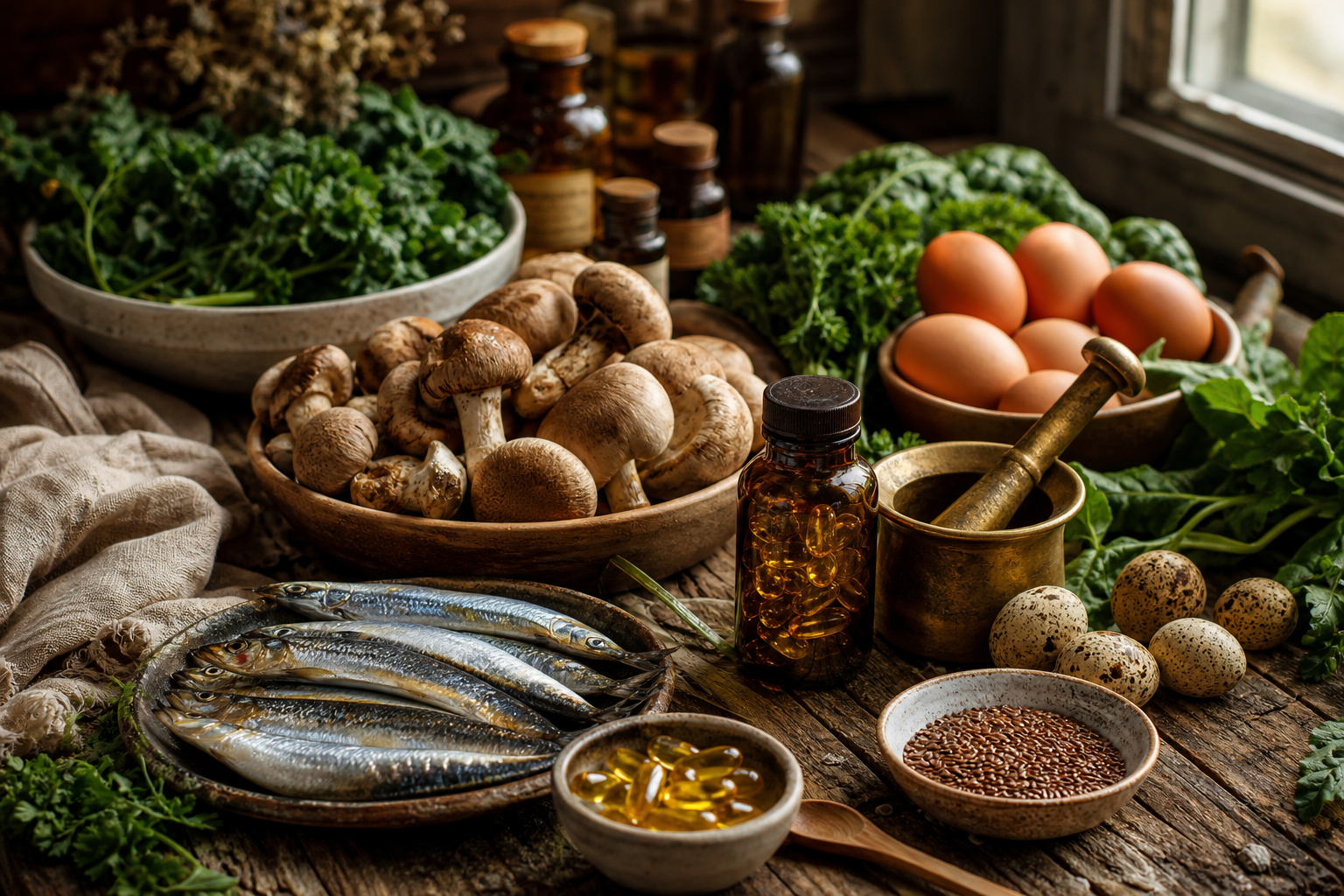
In South Africa, everyday meals can be wonderfully practical. Think eggs at breakfast, sardines on toast, mushroom omelettes, or a meal that includes fortified milk in tea or cereal. Small choices repeated often tend to support better nutritional coverage than occasional big changes.
It’s also worth remembering that vitamin D works best in the context of overall nourishment. Magnesium, zinc, healthy fats, and regular protein intake all contribute to a body that can use nutrients well. This is one reason a whole-food approach is so valuable: it supports the bigger picture, not just one vitamin.
Vitamin D and K2: a thoughtful pairing
The conversation around vitamin D and K2 comes up often for good reason. These nutrients are frequently discussed together in wellness circles because they both play distinct roles in general wellbeing.
Vitamin D is involved in how the body uses calcium, while vitamin K2 is often included in conversations about bone and tissue support. Rather than seeing them as a flashy trend, it’s more helpful to view them as part of a considered, long-term nourishment routine.
This doesn’t mean everyone needs the same approach. Some people prefer to focus first on sunlight, food, and lifestyle. Others look for a supplement routine that fits neatly into their day. A gentle, informed approach is usually the most sustainable.
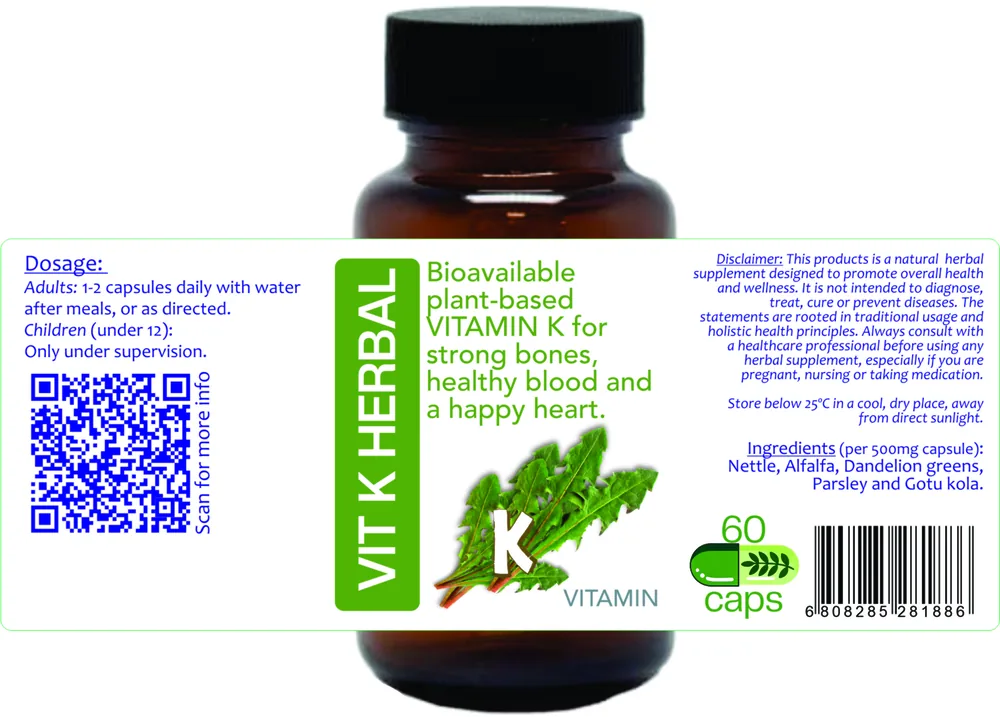
If you’re exploring supplementation, it can be helpful to choose formulas with clear sourcing and simple routines. Medicine Like Food offers Vitamin K Herbal 60 capsules, which may be a sensible companion in a balanced wellness routine when vitamin D and K2 are being considered together.
When a supplement routine may fit in
In real life, not everyone gets ideal sun exposure every day. Busy work schedules, indoor jobs, travel, weather, and skin sensitivity can all influence what’s practical. That’s where a supplement routine may be worth considering as part of a broader wellness plan.
A few gentle principles help:
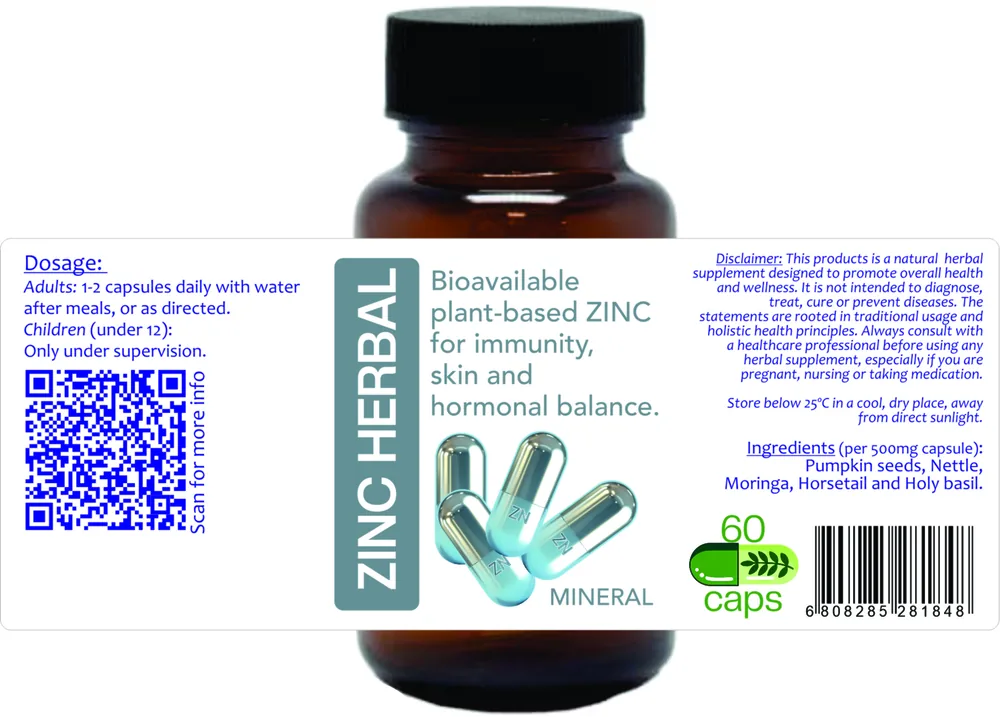
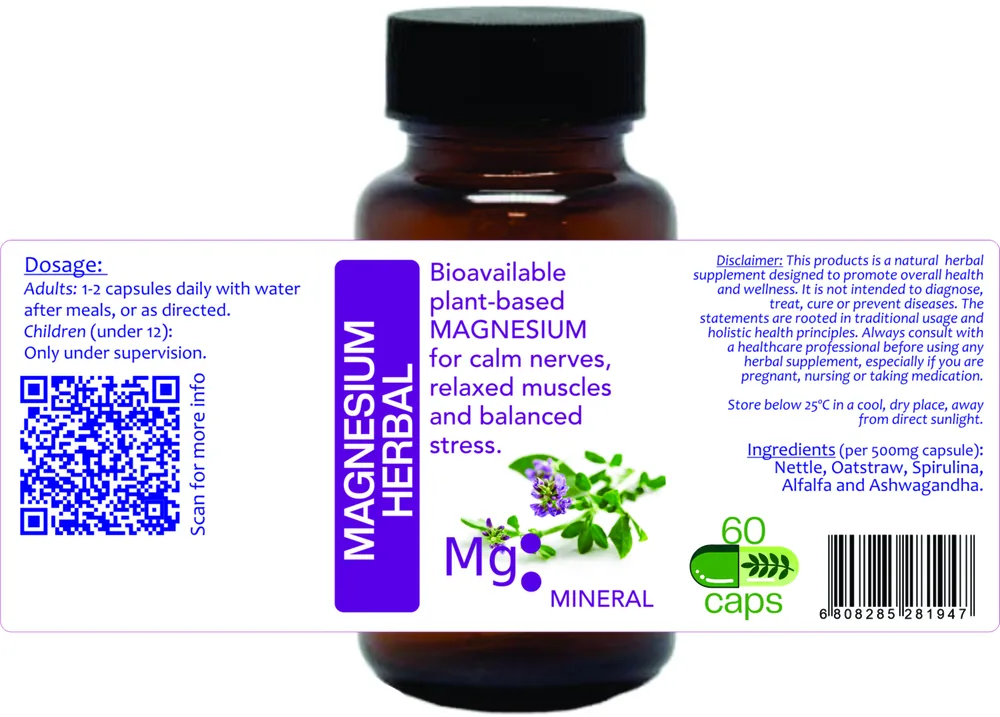
If you’re building a broader nutritional cupboard, Medicine Like Food also offers supportive products such as Magnesium Herbal 60 Capsules and Zinc Herbal 60 Capsules, both of which fit well into a steady everyday wellbeing routine. Mineral support can be especially useful when your goal is balance rather than quick fixes.
A grounded South African approach to vitamin D
The South African sunshine question doesn’t need to be complicated. Vitamin D South Africa is really about finding a rhythm that works with local living: sunlight when possible, nourishing food choices, and thoughtful supplementation where it fits.
A balanced routine might look like this:
The most useful habits are the ones that are calm, repeatable, and suited to ordinary life. That’s what makes them stick.
This content is for general wellness information only and is not intended as medical advice.
If this topic has inspired a more mindful approach to everyday nourishment, explore more wellness articles on our blog for practical, South African-friendly ideas.
Explore more on our [Nutrition blog](/blog?category=nutrition) — practical, everyday guidance on food and nutrients.
Frequently Asked Questions
Why is vitamin D South Africa such a common wellness topic?+
Even in sunny weather, daily routines, indoor work, clothing, season, and skin tone can all influence how much vitamin D the body makes from sunlight.
What affects sunshine vitamin levels most?+
Time outdoors, time of day, skin exposure, sunscreen use, weather, and season all play a role in how much vitamin D the skin can produce.
How does vitamin D and K2 fit into a routine?+
They’re often discussed together as part of a balanced wellness approach, with vitamin D involved in calcium use and K2 commonly included in bone-focused routines.
Can food alone support vitamin D intake?+
Food can contribute meaningfully, especially with oily fish, egg yolks, fortified foods, and sunlight-exposed mushrooms, though many people also consider sunlight and supplements as part of a broader plan.
Products Mentioned
Explore the products featured in this article