Herbal Honey Recipes: Four Warming Infusions for Winter Wellness
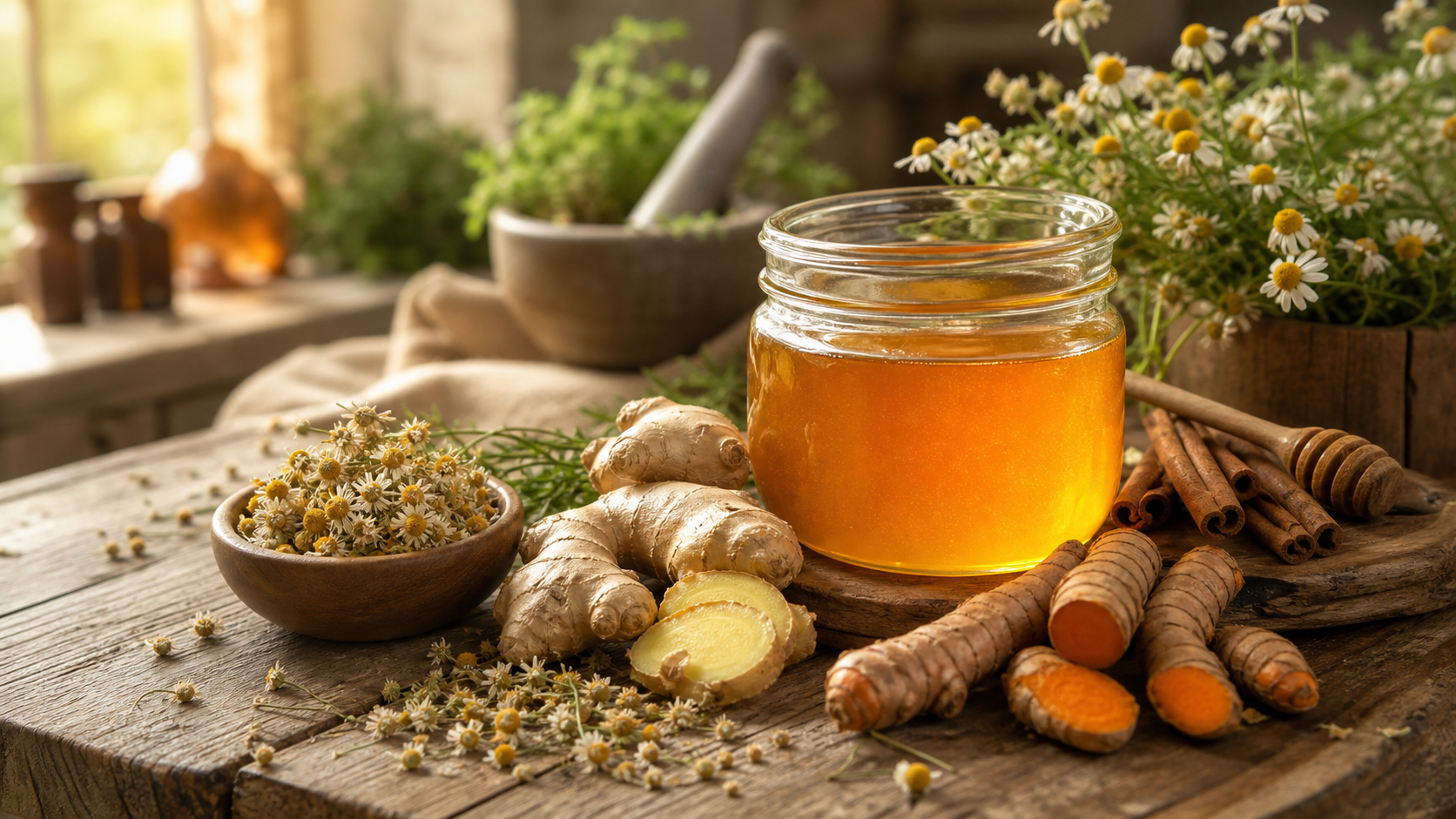
Why Herbal Honey Has Been a Kitchen Staple for Centuries
There is something quietly magical about a jar of golden honey sitting on a sunlit windowsill, slowly drawing the essence of herbs into its depths. Herbal-infused honey is one of the oldest and most accessible forms of home herbalism — a practice that spans Ayurvedic tradition, European folk medicine, and African healing wisdom alike. And yet, for all its ancient roots, it is remarkably easy to make at home today.
At its heart, herbal honey is simply raw honey combined with dried or fresh herbs, spices, or botanicals, left to steep until the honey absorbs their aromatic compounds, flavonoids, and therapeutic constituents. The result is a versatile, shelf-stable preparation that can be stirred into warm drinks, spread on toast, taken by the spoonful, or used as a natural sweetener with purpose. It is food as medicine in its most literal and delicious form.
In South Africa's winter months — when the air is dry, throats feel scratchy, and the immune system is working overtime — herbal honey offers a gentle, nourishing way to support your body from the inside out. This guide walks you through the science, the tradition, and four practical recipes you can make at home using ingredients you may already have in your pantry.
The Science Behind Raw Honey's Healing Properties
Before we add a single herb, it is worth understanding why honey itself is such a powerful base for a medicinal preparation. Raw, unprocessed honey is far more than a sweetener — it is a complex biological substance with documented antimicrobial, antioxidant, and anti-inflammatory properties.
Antimicrobial Activity
Research published in peer-reviewed journals confirms that raw honey's ability to inhibit microbial growth is multifactorial. Its high sugar concentration and low water activity create an osmotic environment inhospitable to many pathogens. Its naturally low pH adds another layer of protection. And through the enzymatic action of glucose oxidase, honey produces small amounts of hydrogen peroxide — a well-known antimicrobial agent — particularly when diluted (Savannahbee Honey Education Hub, 2024).
Beyond these physical mechanisms, honey contains plant-derived phenolic compounds and bee-derived peptides such as defensin-1, which contribute to its broad-spectrum antimicrobial efficacy. Studies have shown effectiveness against drug-resistant bacteria and the ability to disrupt microbial biofilms — a particularly significant finding in the context of chronic infections.
Antioxidant Richness
A 2024 study examining multiple floral honey types found that antioxidant activity is driven by a diverse profile of bioactive substances, including phenolic acids, flavonoids, carotenoids, organic acids, and ascorbic acid (Fortune Journals, 2024). The botanical source of the honey — what the bees were foraging — significantly influences its antioxidant fingerprint. This is one reason raw, minimally processed honey is so much more therapeutically valuable than commercially refined varieties: heat processing degrades these heat-sensitive compounds, reducing both antibacterial and antioxidant activity.
Honey as a Carrier and Enhancer
In traditional Ayurvedic medicine, honey is considered an anupana — a vehicle that carries and enhances the bioavailability of other medicinal substances. Modern research supports this concept: honey's viscosity and chemical composition help deliver herbal compounds more effectively to mucosal tissues, making it an ideal base for respiratory and digestive preparations. When you infuse turmeric into honey, for example, the honey's natural compounds may help improve the absorption of curcumin — turmeric's primary active constituent — which is otherwise poorly absorbed on its own.
Four Herbal Honey Recipes to Make at Home
Each of the following recipes uses a simple cold-infusion or gentle warm-infusion method. Cold infusion — placing herbs in honey and leaving them to steep for one to four weeks — is preferred by many herbalists because it preserves the raw properties of the honey. Warm infusion, using very low heat, is better suited for dense roots, barks, and fresh herbs with higher moisture content.
General method for cold infusion: Fill a clean, dry glass jar about one-third full with dried herbs. Pour raw honey over the herbs until fully submerged. Use a clean chopstick or skewer to remove air bubbles. Seal the jar and place it in a warm spot (a sunny windowsill works beautifully). Turn the jar daily to circulate the infusion. After two to four weeks, strain through a fine mesh sieve or cheesecloth. Store in a clean glass jar in a cool, dark place for up to one year.
Recipe 1: Golden Spice Honey (Anti-Inflammatory Winter Tonic)
This is perhaps the most warming and versatile of all herbal honey preparations — a golden, aromatic blend traditionally used to support the body during cold and flu season. Turmeric, ginger, cinnamon, and a pinch of black pepper work together in a synergistic way that has been recognised in both traditional medicine and modern research.
Studies indicate that the combination of these spices exhibits more potent antioxidant activity than any single ingredient alone (Huckleberry Farms, 2024). Curcumin — turmeric's primary active compound — is traditionally used for its anti-inflammatory properties, while ginger is valued for digestive support and cinnamon for its antimicrobial and antioxidant qualities. Black pepper contains piperine, which is known to significantly enhance curcumin absorption.
You will need:
- 250g raw honey
- 1 teaspoon ground turmeric (or 2 teaspoons freshly grated turmeric root)
- ½ teaspoon ground ginger (or 1 teaspoon freshly grated ginger)
- ½ teaspoon ground cinnamon
- A small pinch of freshly ground black pepper
- Optional: a pinch of cayenne pepper for extra warmth
Method: Gently warm the honey in a small saucepan over the lowest possible heat — you want it just fluid, not hot. Stir in all the spices until fully combined. Pour into a clean glass jar and allow to cool before sealing. This preparation does not need to steep — it is ready to use immediately. Take one teaspoon in warm water or herbal tea, or stir into warm milk for a golden honey latte.
How to use it: One teaspoon in warm water first thing in the morning, or stirred into a cup of rooibos tea. During winter, many people take a teaspoon directly by mouth at the first sign of a scratchy throat.
If you would like the convenience of these four spices in a concentrated capsule form, our 4-in-1 Spice Capsules offer organically sourced cinnamon, turmeric, cayenne, and ginger in a single daily supplement — a practical complement to your kitchen preparations.
Recipe 2: Immune-Support Propolis Honey
Propolis is one of the most fascinating substances produced by bees. It is a resinous compound that bees collect from tree buds and bark, then use to seal and sterilise their hives. Rich in flavonoids, phenolic acids, and aromatic compounds, propolis has been traditionally used across cultures for its antimicrobial and immune-supporting properties.
Combining propolis with raw honey creates a preparation that draws on the strengths of both bee products — honey's broad antimicrobial activity and propolis's concentrated flavonoid content. This is a particularly useful preparation to have on hand during winter months.
You will need:
- 250g raw honey
- 1–2 teaspoons propolis tincture (or a small piece of raw propolis, finely grated)
- Optional: a few drops of lemon juice for brightness
Method: If using propolis tincture, simply stir it into the raw honey until well combined. If using raw propolis, gently warm the honey over very low heat and stir in the grated propolis until dissolved. Allow to cool and store in a sealed glass jar. This honey keeps well for up to a year in a cool, dark place.
How to use it: One teaspoon in warm water or herbal tea, up to three times daily during periods of immune challenge. It can also be spread on toast or stirred into porridge.
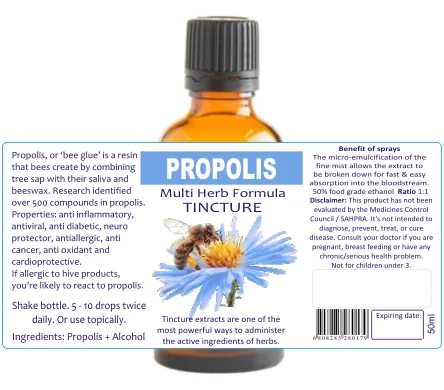
For those who prefer a ready-made propolis supplement, our Propolis 50ml is a time-honoured bee-derived preparation valued in traditional wellness practices for everyday seasonal support.
Recipe 3: Calming Chamomile and Lavender Honey
Not all herbal honey preparations are about fighting illness — some are about creating calm. This gentle, floral infusion draws on chamomile's long history as a nervine herb traditionally used to ease tension and support restful sleep, combined with lavender's aromatic calming properties.
Chamomile contains apigenin, a flavonoid that binds to benzodiazepine receptors in the brain — the same receptors targeted by some anti-anxiety medications — though at much gentler levels. Lavender has been studied for its anxiolytic effects, with several clinical trials showing meaningful reductions in anxiety scores when lavender preparations were used consistently (Journal of Alternative and Complementary Medicine, 2014).
You will need:
- 250g raw honey
- 3 tablespoons dried chamomile flowers
- 1 tablespoon dried lavender flowers (culinary grade)
- Optional: a small strip of lemon zest
Method: Use the cold infusion method. Place the dried flowers in a clean glass jar, pour the raw honey over them, and stir gently to coat. Seal and leave in a warm spot for two to four weeks, turning daily. Strain through a fine mesh sieve, pressing gently to extract all the honey. Store in a sealed glass jar for up to one year.
How to use it: Stir one teaspoon into a cup of warm chamomile tea before bed. It can also be drizzled over warm oats in the evening, or taken by the spoonful as part of a calming bedtime ritual.
Recipe 4: Ginger and Lemon Throat-Soothing Honey
This is the recipe most people reach for when a cold is coming on — and for good reason. Ginger is traditionally used for its warming, anti-nausea, and anti-inflammatory properties, while lemon provides vitamin C and a bright acidity that helps cut through mucus. Together with raw honey's soothing demulcent action on irritated mucous membranes, this preparation is a time-tested winter companion.
Research published in the International Journal of Preventive Medicine (2013) found that ginger extract demonstrated significant anti-inflammatory activity, inhibiting the production of pro-inflammatory cytokines. While this was an in vitro study, it supports the traditional use of ginger for inflammatory conditions including sore throats and respiratory discomfort.
You will need:
- 250g raw honey
- 1 large piece of fresh ginger root (about 50g), thinly sliced
- Zest and juice of 1 organic lemon
- Optional: 2–3 slices of fresh turmeric root
Method: Because fresh ginger and lemon contain significant moisture, use the warm infusion method to prevent fermentation. Combine all ingredients in a small saucepan over the lowest possible heat. Stir gently and allow to warm through for 20–30 minutes without boiling. Remove from heat, allow to cool slightly, then strain into a clean glass jar. Store in the refrigerator for up to three months (the moisture content from fresh ingredients shortens shelf life).
How to use it: One to two teaspoons in hot water as a soothing drink, up to four times daily when experiencing throat discomfort. It can also be stirred into herbal teas or taken directly by the spoon.
Choosing the Right Honey as Your Base
The quality of your base honey matters enormously. Commercially processed honey is typically heated and filtered to the point where most of its beneficial enzymes, phenolic compounds, and antimicrobial properties are significantly reduced. For medicinal preparations, raw honey — minimally processed and ideally from a single floral source — is the only choice worth making.
Raw honey retains its full complement of enzymes, pollen, propolis traces, and bioactive compounds. It may crystallise over time, which is a sign of quality rather than spoilage. If your honey crystallises, simply place the jar in a bowl of warm (not hot) water to gently return it to a liquid state.
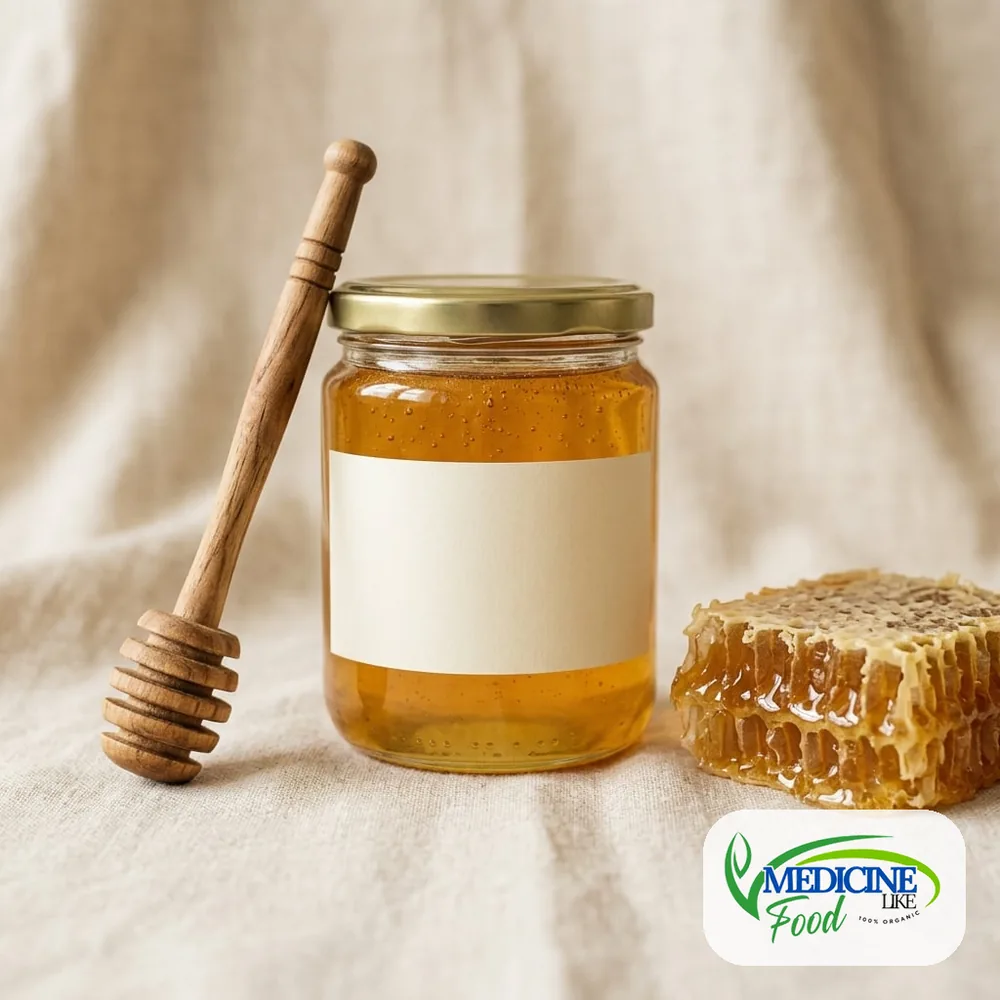
Our Raw Honey 1kg is pure, natural raw honey sourced from organic apiaries — an ideal base for all of the preparations in this guide, and a wholesome everyday sweetener in its own right.
Bee Products Beyond Honey: Completing Your Wellness Pantry
Honey is the most accessible bee product, but it is far from the only one worth knowing about. Bees produce a remarkable range of substances — each with its own therapeutic profile — that have been used in traditional medicine for thousands of years.
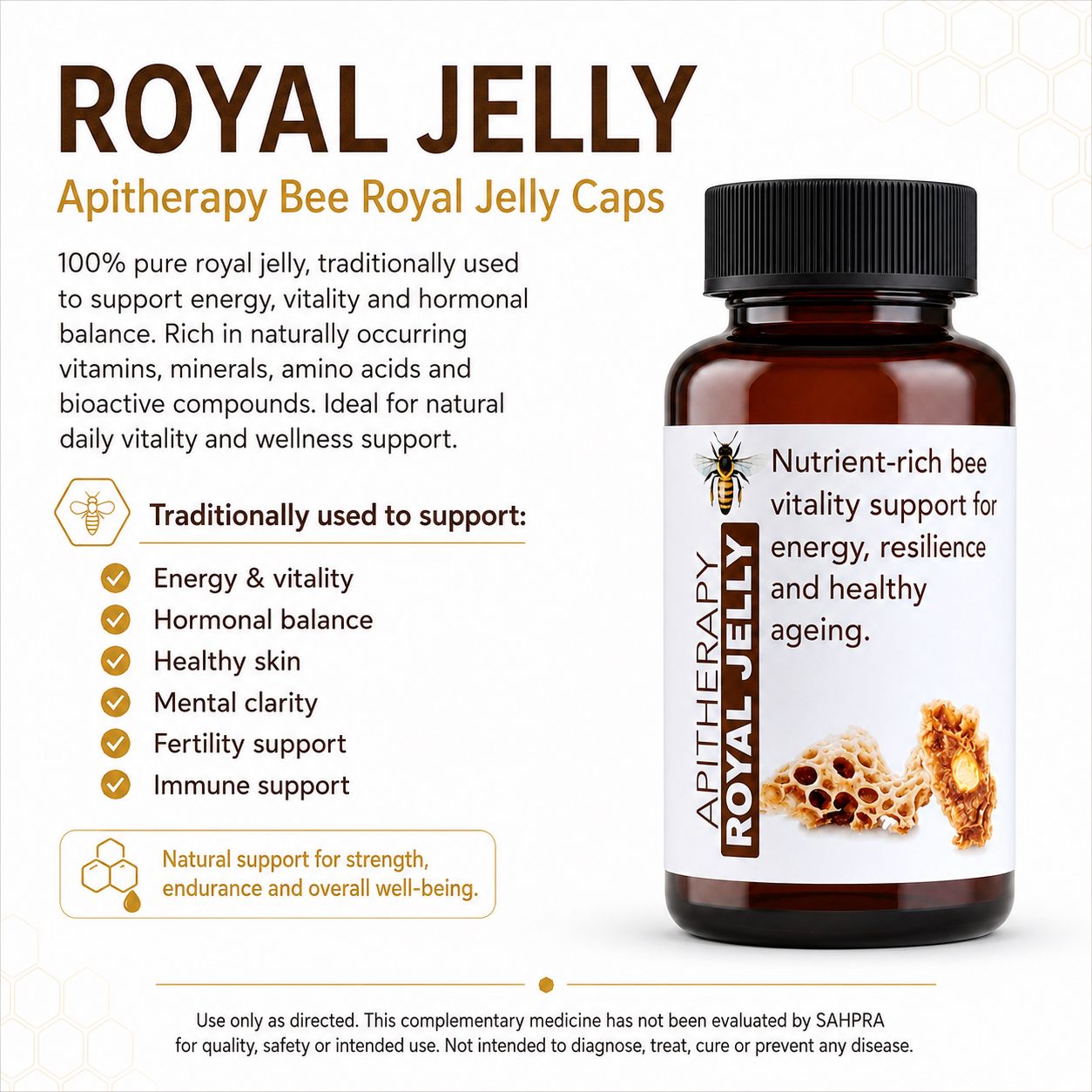
Royal jelly is a nutrient-rich secretion produced by worker bees to feed the queen. It contains unique fatty acids, proteins, and B vitamins not found in significant quantities elsewhere in nature. Traditionally used to support energy, vitality, and hormonal balance, royal jelly is a fascinating complement to honey-based preparations. Bee Royal Jelly Capsules offer a convenient way to incorporate this traditional supplement into your daily routine.
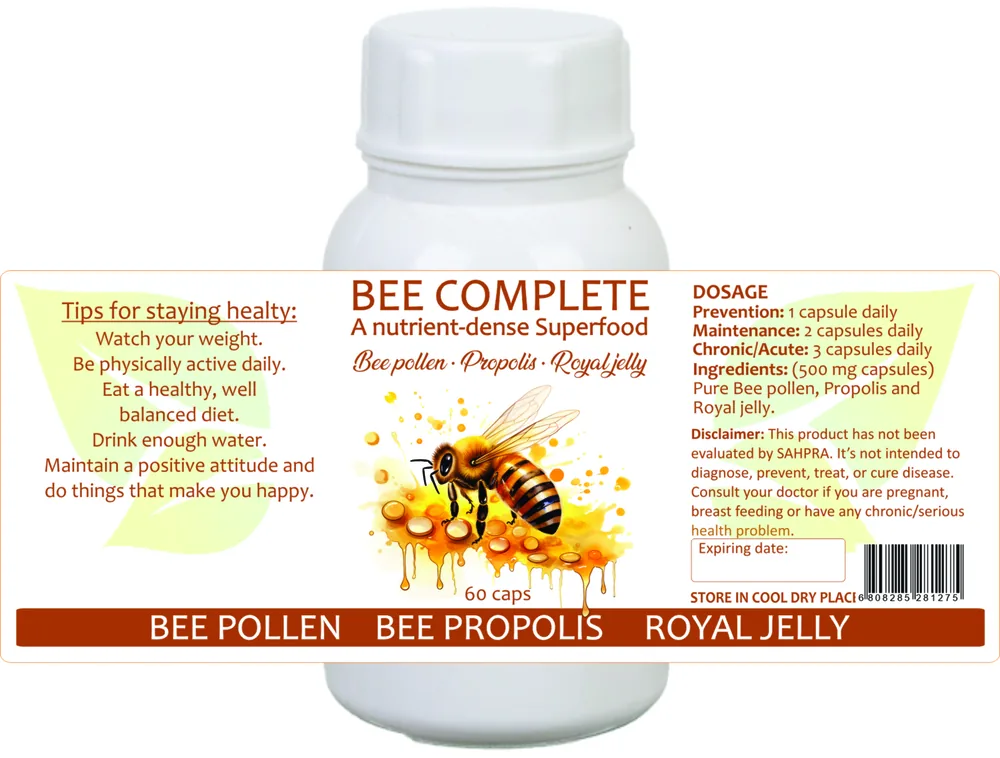
Bee pollen is one of nature's most complete foods, containing proteins, amino acids, vitamins, minerals, and enzymes. It is traditionally valued for its nutritive and energising properties. Bee Complete Capsules bring together the nutritional richness of bee products — supporting immune function, natural energy, and overall vitality — in a single daily supplement.
Research Highlights: What the Studies Say
It is important to be clear about what the research does and does not tell us. Much of the evidence for herbal honey preparations comes from in vitro studies (conducted in laboratory settings), traditional use records, and small clinical trials. This does not mean the preparations are ineffective — traditional use over centuries is itself a form of evidence — but it does mean we should be thoughtful about the claims we make.
- Honey's antimicrobial properties are well-documented in peer-reviewed literature, with studies confirming activity against a range of pathogens including drug-resistant bacteria (PMC, 2024).
- Curcumin (turmeric) has been studied extensively for anti-inflammatory effects, with systematic reviews supporting its role in reducing inflammatory markers — though bioavailability remains a challenge that piperine (black pepper) and fat-based carriers help address (Journal of Medicinal Food, 2017).
- Ginger has demonstrated anti-nausea effects in multiple clinical trials, particularly for pregnancy-related nausea and chemotherapy-induced nausea (British Journal of Anaesthesia, 2012).
- Chamomile has shown anxiolytic effects in randomised controlled trials, with one study finding significant reduction in generalised anxiety disorder symptoms compared to placebo (Phytomedicine, 2016).
- Propolis has demonstrated antimicrobial and antifungal activity in laboratory studies, with some clinical evidence supporting its use for oral health and upper respiratory infections (Evidence-Based Complementary and Alternative Medicine, 2017).
Safety, Precautions, and Who Should Take Care
Herbal honey preparations are generally safe for most healthy adults, but there are important precautions to be aware of:
- Infants under 12 months: Honey should never be given to children under one year of age due to the risk of infant botulism. This applies to all honey preparations, including herbal-infused varieties.
- Diabetes and blood sugar management: Honey is a natural sugar and will affect blood glucose levels. People managing diabetes should use honey preparations mindfully and consult their healthcare provider.
- Blood-thinning medications: Turmeric and honey may have mild anticoagulant properties. If you are taking warfarin or other blood-thinning medications, consult your doctor before using turmeric-infused honey regularly.
- Pregnancy: While ginger honey is traditionally used for nausea in pregnancy, it is always advisable to consult a healthcare provider before using herbal preparations during pregnancy.
- Allergies: People with known allergies to bee products, pollen, or specific herbs should exercise caution and consult a healthcare professional.
- Medication interactions: Some herbs can interact with pharmaceutical medications. If you are on any prescription medication, consult your doctor or pharmacist before adding herbal preparations to your routine.
These preparations are intended as supportive wellness tools, not as replacements for medical treatment. If you are experiencing serious illness, please consult a qualified healthcare professional.
Bringing It All Together: Your Winter Wellness Kitchen
There is something deeply satisfying about making your own herbal preparations — about understanding what goes into what you consume, and connecting with a tradition of plant-based wellness that stretches back thousands of years. Herbal honey is one of the most accessible entry points into home herbalism: it requires no special equipment, no advanced knowledge, and very little time. What it does require is good-quality ingredients and a little patience.
Start with one recipe that resonates with you. Perhaps the golden spice honey for your morning routine, or the chamomile and lavender honey for your evening wind-down. Make a small batch, observe how it feels in your body, and build from there. Over time, you will develop an intuitive sense of which preparations serve you best in which seasons.
And when you want to go deeper — to complement your kitchen preparations with concentrated herbal support — the raw honey, propolis, bee complete capsules, royal jelly, and 4-in-1 spice capsules from Medicine Like Food offer everything you need together, sourced with care and formulated for everyday wellness.
Your kitchen is already a pharmacy. These recipes are simply the invitation to use it.
Products Mentioned
Explore the products featured in this article