
Omega 3 Sources: Fats, Forms, and Daily Wellness
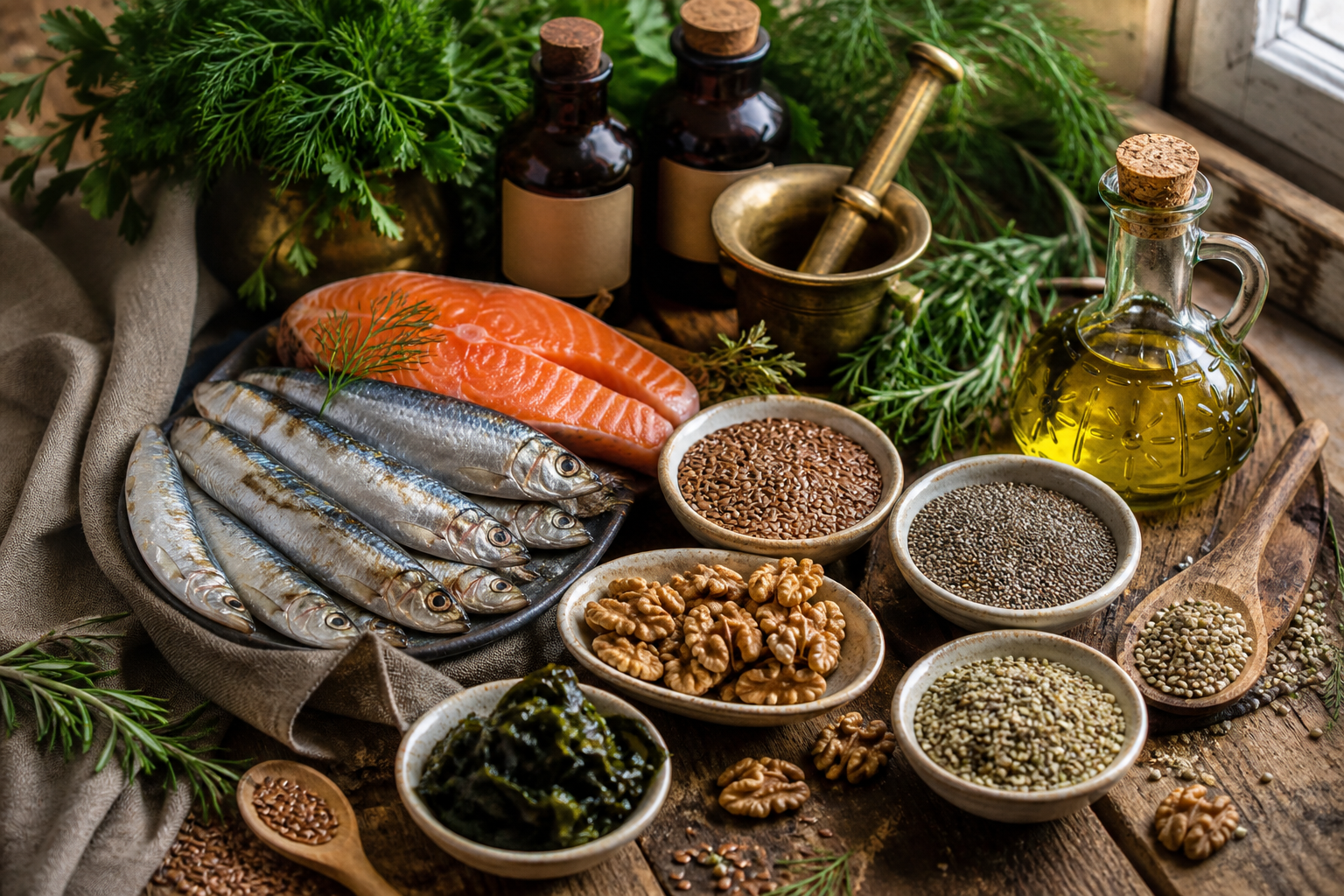
Omega-3 fats are one of those quietly important parts of everyday nutrition that often get less attention than they deserve. Understanding omega 3 sources makes it easier to build a balanced, practical essential fatty acids diet that suits real life in South Africa.
These fats are part of the wider conversation around nourishment, energy, and general wellbeing. They’re found in both marine and plant foods, which means there are different ways to include them depending on taste, budget, and routine.
What omega-3 fats actually are
Omega-3s are a family of essential fats, which means the body can’t make them in sufficient amounts on its own. That’s why food matters so much. When people talk about omega-3, they’re usually referring to a few specific forms that appear in different foods.
The three main types
ALA is the form most often found in plant foods, while EPA and DHA are the marine forms commonly discussed for their role in everyday nourishment. The body can convert a small amount of ALA into EPA and DHA, although that conversion is limited.
That distinction matters when comparing plant vs fish omega 3 options, because each brings something useful to the table.
Omega 3 sources in everyday South African eating
Finding omega 3 South Africa-style doesn’t have to mean following a complicated meal plan. Many familiar foods already fit the picture beautifully.
Fish and seafood
Oily fish remain some of the most concentrated omega 3 sources. In everyday South African kitchens, that can include:
Canned fish can be especially practical. It’s shelf-stable, versatile, and often more budget-friendly than fresh fish. Sardines on toast, pilchards with tomato and onion, or a simple fish salad can all bring marine omega-3 into the week without much effort.
Plant-based omega 3 foods
For those who prefer plant-based eating, there are still excellent options to explore. These foods are naturally rich in ALA:
These foods are easy to weave into porridge, yoghurt, smoothies, salads, and baked goods. A spoon of ground flaxseed over breakfast or a handful of walnuts with fruit can make a meaningful contribution over time.
Sea-based plant foods
Seaweed and algae are also worth mentioning in the omega 3 conversation. Some algae-based foods and oils contain DHA, which is especially relevant for people exploring plant-based options beyond the usual seed-and-nut group.
Plant vs fish omega 3: what’s the difference?
The plant vs fish omega 3 question comes up often, and the answer is less about competition and more about form.
Plant sources mainly provide ALA, while fish and algae provide EPA and DHA. Because the body converts ALA only in small amounts, plant-based eaters may want to include a wider variety of ALA-rich foods regularly. Meanwhile, those who eat fish can get EPA and DHA more directly through meals.
A simple way to think about it
There isn’t a single perfect route. The best option is usually the one that fits comfortably into your habits and is easy to keep up.
How omega-3 fits into an essential fatty acids diet
An essential fatty acids diet is simply one that includes enough of the fats the body relies on for ordinary functioning and overall balance. Omega-3 is one side of that picture, while omega-6 fats make up the other main side.
The goal isn’t perfection. It’s steady variety.
A few practical food ideas
This approach supports a more rounded way of eating, without needing special rules or strict routines. It also helps omega-3 become part of normal family meals rather than a separate “health food” project.
Choosing the right format for your routine
When people look at omega 3 sources, they often focus only on food, but format matters too. Some people prefer whole foods, while others like a supplement alongside meals and lifestyle habits. The best fit depends on taste, routine, and personal preference.
Food first, where possible
Whole foods bring more than one nutrient at a time. A sardine sandwich, a seed-rich smoothie, or a bowl topped with walnuts offers omega-3 alongside protein, fibre, and other helpful nutrients.
When a supplement fits the picture
Some routines are simply busier than others, and consistency can be easier with a supplement. In that case, it helps to look for a product that suits the kind of omega-3 form you’re aiming for, whether marine or plant-based.
If a wellness routine already includes other supportive nutrients such as magnesium, zinc, or vitamin E, it can also help to think of omega-3 as part of a broader pattern rather than a stand-alone hero. Wellness often works best when the whole table is considered.
A simple daily rhythm for lasting balance
A good nutrition habit doesn’t need to be dramatic. It just needs to be repeatable. For omega-3, that might mean one fish meal each week, a seed topping most mornings, or a regular habit of keeping a few key ingredients on hand.
A gentle rhythm to try
That’s the heart of a practical omega-3 pattern: simple foods, repeated often, with enough variety to keep meals interesting.
For anyone exploring omega 3 sources in South Africa, the main takeaway is reassuringly straightforward. There are multiple ways to include these fats, and the best choice is usually the one that feels realistic, nourishing, and easy to keep going.
This content is for general wellness information only and is not intended as medical advice.
If you’d like more grounded nutrition guidance, explore the rest of our blog for practical ideas, ingredient insights, and everyday wellness inspiration.
Explore more on our [Nutrition blog](/blog?category=nutrition) — practical, everyday guidance on food and nutrients.
Frequently Asked Questions
What are the best omega 3 sources for everyday meals?+
Common omega 3 sources include sardines, pilchards, mackerel, salmon, flaxseed, chia seeds, walnuts, hemp seeds, and algae-based options. A mix of marine and plant foods gives good variety.
What is the difference between plant vs fish omega 3?+
Plant foods mainly provide ALA, while fish and algae provide EPA and DHA. Both are part of a balanced approach, but they appear in different forms and food groups.
How can omega 3 South Africa-style eating fit into a normal routine?+
It can be as simple as adding canned sardines, pilchards, chia seeds, flaxseed, or walnuts to familiar meals. The easiest routine is usually the one that matches your usual shopping and cooking habits.
What does an essential fatty acids diet include?+
An essential fatty acids diet includes a variety of foods that provide omega-3 and omega-6 fats, such as fish, seeds, nuts, and certain plant oils. The aim is steady variety rather than strict rules.