Fermented Foods and Herbal Digestive Tonics: A Winter Gut Health Recipe Guide
Why Winter Is the Perfect Time to Nourish Your Gut
There is something quietly powerful about the way winter draws us inward. We reach for warmer foods, slower mornings, and the kind of nourishment that feels like it goes all the way down. In South Africa, our winter months — June through August — are a natural invitation to tend to the gut: the organ system that sits at the very centre of our immunity, our mood, and our energy.
The gut microbiome — the vast community of bacteria, fungi, and other microorganisms living in your digestive tract — is not a passive bystander. Research published in Frontiers in Nutrition (2025) confirmed across 25 studies and more than 4,000 participants that what we eat directly shapes how our gut functions: stool frequency, transit time, bloating, and even systemic inflammation are all influenced by the microbial landscape we cultivate through food.
This guide brings together two of the most time-honoured approaches to gut wellness: fermented foods that feed and diversify your microbiome, and herbal digestive tonics rooted in traditional plant medicine. Together, they offer a practical, kitchen-based way to support your digestive health through the cooler months — and beyond.
Understanding Fermented Foods: What They Are and Why They Work
Fermentation is one of humanity's oldest food preservation techniques. When beneficial bacteria — primarily Lactobacillus and Bifidobacterium species — break down sugars and starches in food, they produce short-chain fatty acids (SCFAs), B vitamins, vitamin K2, and digestive enzymes. The result is a food that is not only preserved but transformed: more bioavailable, more digestible, and rich in live cultures that interact with your gut ecosystem.
A 2025 review in Nature Reviews Microbiology described the "fermented food microbiome" as an active participant in gut health — one that can constitute up to 3% of an adult's gut microbiota through regular dietary intake. Plant-based fermented foods, in particular, appear to enhance microbial viability and mucosal interactions more effectively than many dairy-based alternatives, making them an excellent choice for a wide range of dietary preferences.
The Key Benefits of Regular Fermented Food Consumption
- Increased microbial diversity — a broader range of gut bacteria is consistently associated with better health outcomes
- Improved bowel regularity — studies show increased stool frequency and improved consistency
- Reduced bloating and flatulence — fermented foods help crowd out gas-producing pathogens
- Reduced intestinal transit time — food moves through the gut more efficiently
- Support for immune function — 70–80% of immune cells reside in the digestive tract, making gut health central to immune resilience
- Improved gut barrier integrity — SCFAs produced during fermentation help maintain the lining of the intestinal wall
Three Fermented Food Recipes to Make at Home This Winter
These recipes require minimal equipment and use ingredients that are widely available across South Africa. Start with one, master it, and build from there. Your gut will thank you for the consistency.
1. Classic Lacto-Fermented Sauerkraut
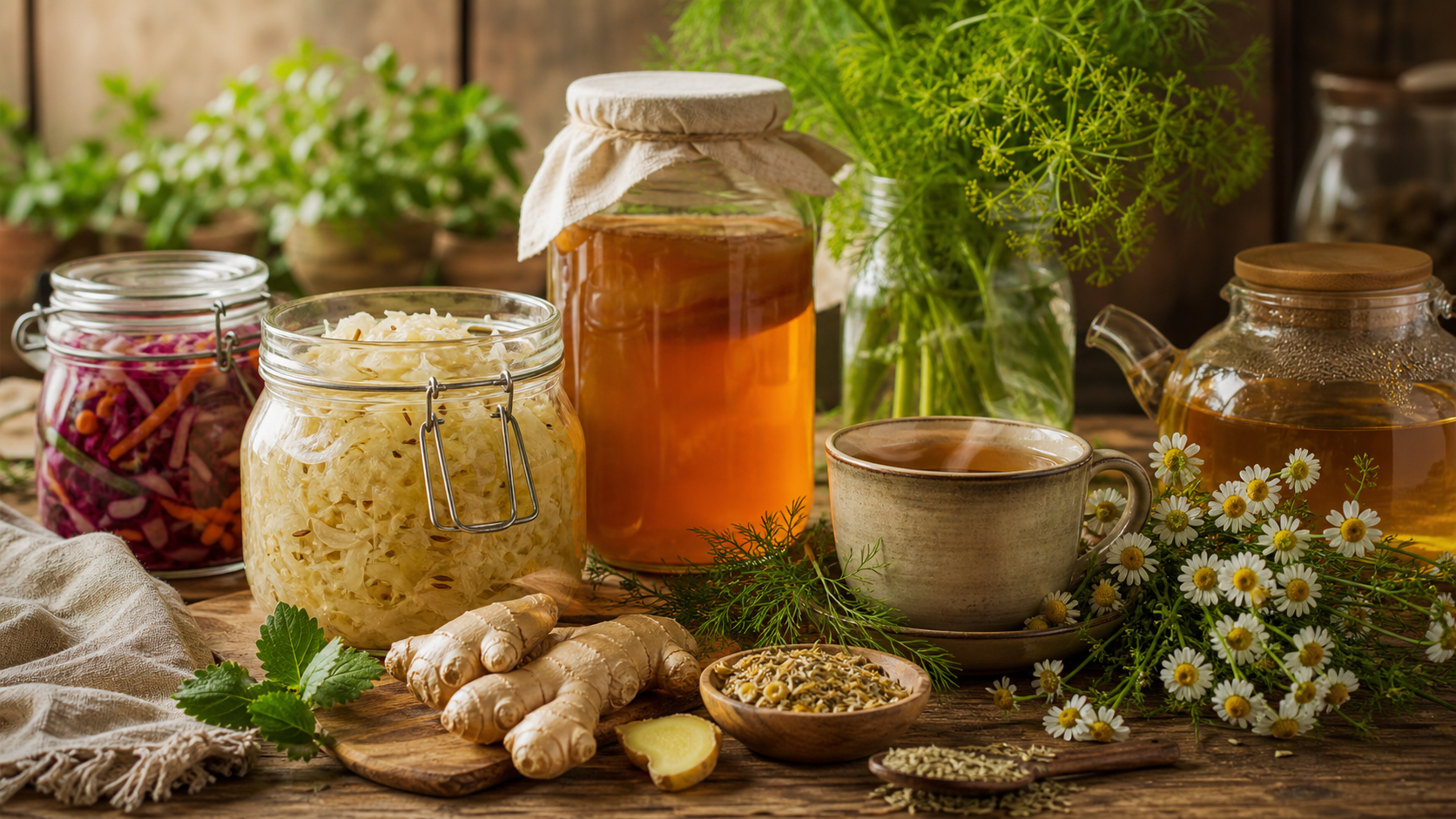
Sauerkraut is one of the simplest and most effective fermented foods you can make. The lacto-fermentation process requires nothing more than cabbage, salt, and time — and the result is a tangy, probiotic-rich condiment that pairs beautifully with winter soups, stews, and grain bowls.
What you need:
- 1 medium head of green cabbage (approximately 1 kg)
- 1 tablespoon non-iodized sea salt (avoid iodized salt — it inhibits fermentation)
- 1 clean glass jar (1-litre capacity)
Method:
- Remove the outer leaves of the cabbage and set one aside. Shred the rest finely.
- Place the shredded cabbage in a large bowl and sprinkle with salt. Massage firmly for 5–15 minutes until the cabbage releases its own brine.
- Pack the cabbage tightly into your glass jar, pressing down so the brine rises above the cabbage. Use the reserved outer leaf as a cap to keep the shreds submerged.
- Cover the jar with a cloth or loose lid (not airtight — gases need to escape). Leave at room temperature, away from direct sunlight, for 5–14 days.
- Taste from day 5. When it reaches a tanginess you enjoy, seal and refrigerate. It will keep for several months.
Tip: A 2–3% salt concentration by weight is ideal. If white "kahm yeast" forms on the surface, simply skim it off — it is harmless. Discard any batch with coloured mould (black, green, or pink).
2. Warming Ginger-Turmeric Kombucha
Kombucha is a fermented tea beverage with a pleasantly tart, slightly effervescent character. Adding ginger and turmeric to the second fermentation gives it a warming, anti-inflammatory quality that feels especially nourishing in winter.
What you need (First Fermentation):
- 8 cups filtered water
- 4 black or green tea bags
- 1 cup organic cane sugar
- 1 SCOBY (symbiotic culture of bacteria and yeast — available from health stores or online communities)
- 1 cup starter kombucha (from a previous batch or a raw, unflavoured store-bought kombucha)
Method (First Fermentation):
- Brew the tea, dissolve the sugar into it, and allow to cool completely to room temperature.
- Pour into a large glass jar. Add the SCOBY and starter kombucha.
- Cover with a breathable cloth secured with a rubber band. Ferment in a dark spot at room temperature for 7–14 days.
- Taste from day 7. When pleasantly tart, remove the SCOBY and reserve 1 cup of liquid for your next batch.
Second Fermentation (Ginger-Turmeric):
- Add 1 teaspoon freshly grated ginger and ½ teaspoon freshly grated turmeric (or a pinch of ground turmeric) to each 500ml bottle.
- Fill with kombucha, seal tightly, and leave at room temperature for 2–3 days to build carbonation.
- Refrigerate and enjoy within 2 weeks. Open carefully — it will be fizzy!
3. Coconut Milk Kefir
For those who prefer a dairy-free option, coconut milk kefir is a rich, creamy probiotic food that is gentle on the digestive system and deeply nourishing. It works beautifully as a base for smoothies, poured over fruit, or enjoyed on its own.
What you need:
- 2 cups full-fat coconut milk (from a can, not a carton)
- 1 tablespoon milk kefir grains (available from health stores or online)
- 1 clean glass jar
Method:
- Combine the coconut milk and kefir grains in the jar. Stir gently.
- Cover with a cloth and leave at room temperature for 24–48 hours, until thickened and tangy.
- Strain out the grains (rinse and store in a little fresh coconut milk in the fridge for your next batch).
- Refrigerate the finished kefir and consume within 5–7 days.
Note: Kefir grains may take a few batches to fully activate in coconut milk. Be patient — the culture will strengthen over time.
Herbal Digestive Tonics: The Plant Medicine Complement
Fermented foods work beautifully alongside herbal digestive support. Traditional plant medicine has long recognized a category of herbs known as carminatives — aromatic plants that help relax the gastrointestinal muscles, expel gas, and ease digestive discomfort. Alongside these are bitter herbs, which stimulate bile flow and digestive enzyme production, preparing the gut to receive and process food efficiently.
These two categories work synergistically: carminatives soothe and relax, while bitters activate and prepare. Together, they address the full spectrum of digestive function.
Key Herbs for Digestive Wellness
- Ginger (Zingiber officinale) — Traditionally used for nausea, sluggish digestion, and poor gastric motility. Ginger stimulates gastric emptying and improves intestinal movement. Studies have shown it to be effective for nausea and digestive discomfort.
- Fennel (Foeniculum vulgare) — Traditionally used as a "bloat buster." Fennel contains anethole, a compound that relaxes gut muscles and reduces gas. A classic post-meal remedy across many cultures.
- Peppermint (Mentha piperita) — Shown in studies to act as an antispasmodic, relaxing smooth muscles in the gastrointestinal tract. Particularly valued for bloating and symptoms associated with irritable bowel.
- Chamomile (Matricaria recutita) — Traditionally used for stress-related digestive issues. Its anti-inflammatory and antispasmodic properties make it effective for nervous digestion — when anxiety and tension manifest as stomach discomfort.
- Dandelion Root (Taraxacum officinale) — A bitter herb that supports liver and gallbladder function by stimulating bile flow, essential for fat digestion and nutrient absorption.
- Liquorice Root (Glycyrrhiza glabra) — Traditionally used to soothe the gut lining, support acid balance, and ease discomfort associated with gastritis and reflux.
- Slippery Elm (Ulmus rubra) — Traditionally used to coat and soothe the digestive tract lining, particularly valued for conditions involving inflammation or irritation.
A Simple Warming Digestive Tea Tonic
This tea combines carminative and soothing herbs for a gentle, warming digestive support drink. Enjoy it after meals or whenever your digestion feels sluggish or uncomfortable.
What you need:
- 1 teaspoon dried fennel seeds
- 1 teaspoon dried ginger root (or 2–3 slices of fresh ginger)
- 1 teaspoon dried chamomile flowers
- ½ teaspoon dried peppermint leaves
- 500ml boiling water
- Raw honey to taste (optional)
Method:
- Combine all herbs in a teapot or heatproof jug.
- Pour over boiling water and steep for 10–15 minutes, covered (covering preserves the volatile oils).
- Strain and sweeten with raw honey if desired.
- Sip slowly after meals, or as a warming evening ritual.
Supporting Your Gut with Herbal Formulas
While home fermentation and herbal teas are wonderful daily practices, there are times when the gut needs more focused, consistent support. The Medicine Like Food range includes several formulas specifically designed to complement a gut-health lifestyle.
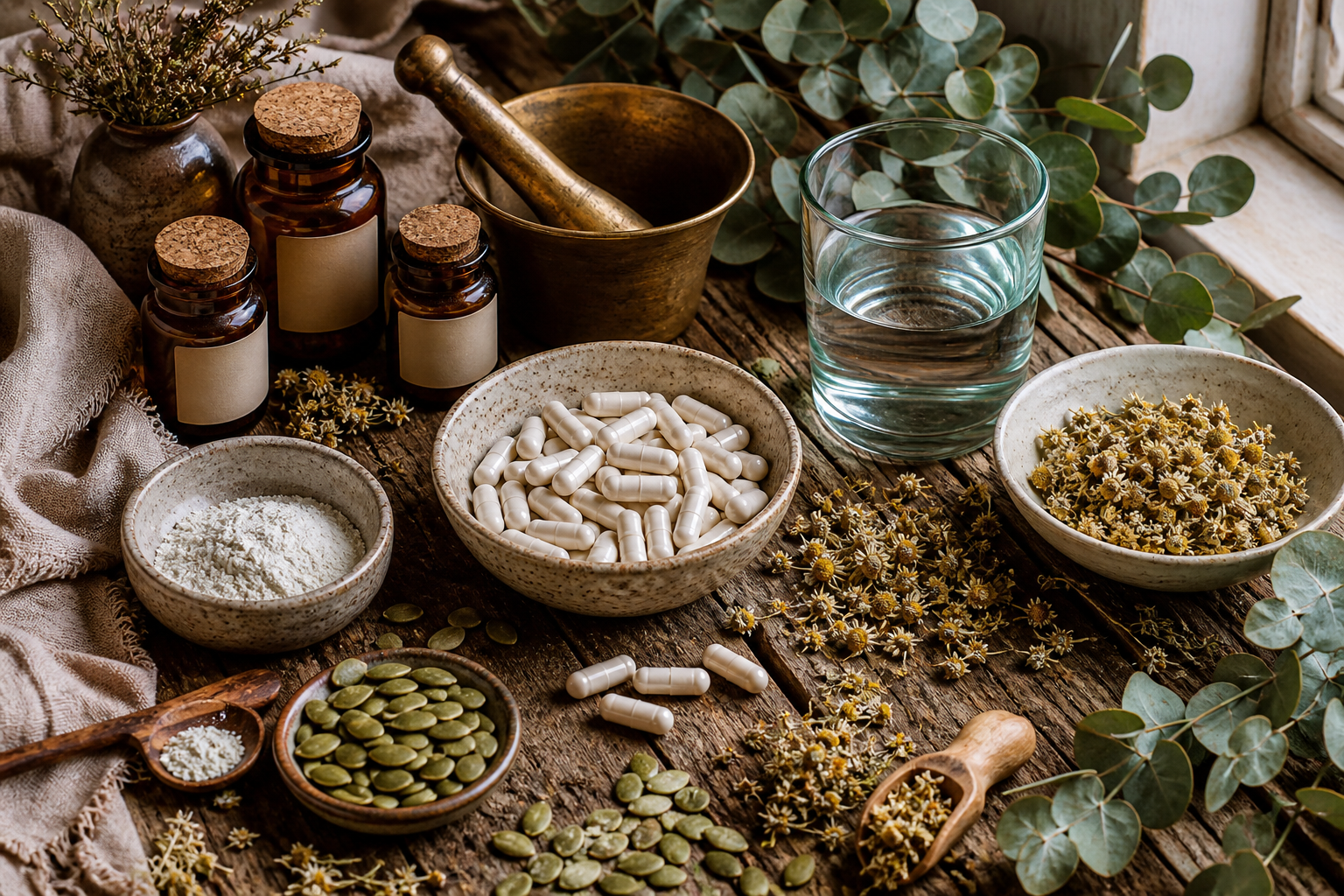
Digestopro is a multi-herb capsule formula traditionally used for a broad range of digestive concerns — from acid reflux and irritable bowel to constipation, gastritis, and poor absorption. It brings together a carefully selected blend of herbs to support the full functional capacity of the digestive system.
Digestone is available as a tincture or oxymel (a honey-vinegar base that is itself mildly probiotic). Traditionally used for ulcers, indigestion, heartburn, colitis, and flatulence, it offers fast-absorbing liquid support that can be taken before or after meals.
Intestopro focuses on the digestive tract and colon, traditionally used to support healthy digestion and gentle internal cleansing — a useful complement to a fermented-food protocol, particularly when beginning to rebalance the gut.
For those who want to go deeper with their gut support, the Gut Health Bundle brings together Intestopro, Colon Cleanse, and Digestone for complete gut wellness — everything you need together in one thoughtfully assembled package.
If acid balance and reflux are a concern, the Acidity Tonic — containing liquorice root, slippery elm, marshmallow root, ginger, fennel, and turmeric — offers a beautifully aligned herbal formula that mirrors many of the herbs discussed in this guide.
Practical Tips for Getting Started
- Start small. If you are new to fermented foods, begin with 1–2 tablespoons per day and gradually increase. Your gut needs time to adjust to the influx of new microbial activity.
- Consistency matters more than quantity. A small amount of fermented food daily is more beneficial than a large amount occasionally.
- Use filtered water. Chlorine in tap water can inhibit the beneficial bacteria needed for fermentation.
- Keep it varied. Different fermented foods contain different microbial strains. Rotating between sauerkraut, kefir, kombucha, and kimchi gives your microbiome a broader range of beneficial organisms.
- Pair with prebiotic foods. Fermented foods introduce beneficial bacteria; prebiotic foods (garlic, onion, leeks, oats, bananas) feed them. Both are needed for a thriving microbiome.
- Be patient. Meaningful shifts in gut microbiome composition take weeks to months of consistent dietary change. This is a long-term investment in your health.
What the Research Tells Us
The science of fermented foods and gut health has matured considerably in recent years. A 2025 systematic review and meta-analysis published in Frontiers in Nutrition, encompassing 25 studies and over 4,000 participants, confirmed that fermented food consumption significantly improves gastrointestinal wellbeing — including stool frequency, consistency, transit time, and the reduction of bloating and flatulence.
Research from Frontiers in Nutrition (2025) also demonstrated that fermented vegetable consumption increases the abundance of butyrate-producing and anti-inflammatory bacterial species in the gut — a finding with significant implications for both digestive and systemic health, since butyrate is a key fuel source for the cells lining the colon.
On the herbal side, peppermint has been shown in multiple clinical trials to act as an effective antispasmodic for irritable bowel symptoms. Ginger has demonstrated efficacy for nausea and gastric motility in peer-reviewed studies. Chamomile's anti-inflammatory and antispasmodic properties are well-documented in the scientific literature. These are not merely traditional claims — they are increasingly supported by modern evidence.
It is worth noting that while the evidence for fermented foods and digestive herbs is promising and growing, individual responses vary. Chronic or severe digestive conditions should always be assessed by a qualified healthcare practitioner.
Safety and Considerations
- Fermented foods and histamine: Some individuals with histamine intolerance may react to fermented foods. If you notice symptoms such as headaches, skin flushing, or nasal congestion after consuming fermented foods, reduce your intake and consult a healthcare provider.
- Kombucha and alcohol: Kombucha contains trace amounts of alcohol as a byproduct of fermentation (typically less than 0.5%). This is generally considered negligible, but those who avoid alcohol entirely should be aware.
- Herbal interactions: Liquorice root in large amounts or over extended periods may affect blood pressure. Those with hypertension or on blood pressure medication should consult a healthcare provider before using liquorice-containing products regularly.
- Pregnancy and breastfeeding: Consult a qualified healthcare practitioner before introducing new herbal supplements during pregnancy or breastfeeding.
- This content is educational and does not constitute medical advice. If you have a diagnosed digestive condition, please work with a qualified healthcare professional alongside any dietary or herbal changes.
A Nourishing Winter Practice
Gut health is not a destination — it is a daily practice, built one meal, one cup of tea, and one jar of sauerkraut at a time. Winter, with its natural invitation to slow down and cook more intentionally, is one of the best seasons to begin.
Whether you start with a simple batch of sauerkraut on your kitchen counter, a warming ginger-fennel tea after dinner, or a herbal formula to support your digestive system more directly, every step you take toward a healthier gut is a step toward better immunity, clearer thinking, and more sustained energy.
Your gut is listening. Nourish it well.
Products Mentioned
Explore the products featured in this article