Herbal Vitamin C Drinks: Rosehip, Hibiscus and Baobab Recipes for Spring Wellness
Spring Is Here — and Your Body Knows It
There is something unmistakable about the shift into spring in South Africa. The air softens, the days stretch longer, and the body — if you listen closely — begins to stir. After the slower, inward months of winter, spring invites a natural opening: more movement, more light, more vitality. It is also the season when many people notice a renewed desire to nourish themselves well, to clear out the heaviness of winter and step into the warmer months feeling genuinely alive.
One of the simplest and most pleasurable ways to support this seasonal transition is through herbal drinks — warm infusions, cooling tonics, and vibrant blends made from plants that have been used for centuries to nourish the body from the inside out. And when it comes to spring wellness, few plant families are as relevant as those rich in natural vitamin C: rosehip, hibiscus, and baobab.
These three botanicals are not only beautiful in colour and flavour — they are among the most nutrient-dense plant sources of vitamin C available, and each brings its own unique profile of antioxidants, minerals, and traditional wisdom. In this guide, we explore the wellness properties of each plant, share simple recipes you can make at home, and show you how to build a spring herbal drink ritual that genuinely supports your body's natural vitality.
Why Vitamin C Matters in Spring
Vitamin C is one of the most well-researched nutrients in human health. It plays a central role in immune function, collagen synthesis, antioxidant protection, and the absorption of non-haem iron from plant foods. During the transition between seasons — when the body is adjusting to changing temperatures, increased activity, and shifting routines — adequate vitamin C intake becomes especially important.
Unlike many mammals, humans cannot synthesise vitamin C internally. We depend entirely on dietary sources to meet our daily needs. While citrus fruits are the most commonly cited source, the plant world offers a remarkable range of alternatives — many of which are richer in vitamin C than an orange, and which also bring a broader spectrum of phytonutrients that work synergistically with the vitamin itself.
The Difference Between Synthetic and Plant-Based Vitamin C
Whole-food sources of vitamin C come packaged with bioflavonoids, polyphenols, and other co-factors that are traditionally understood to enhance absorption and activity in the body. Rosehip, hibiscus, and baobab each contain these naturally occurring companions — which is part of what makes them so valued in herbal wellness traditions around the world.
Rosehip: The Winter Berry That Carries Spring Forward
Rosehips are the small, round fruits that form on rose plants after the flowers have bloomed. They have been used in European and Native American herbal traditions for centuries — as a blood tonic, an immune support, and a remedy for sore throats and winter fatigue. During World War II, rosehip syrup was famously distributed in Britain as a vitamin C source when citrus imports were disrupted.
Rosehips are recognised as having one of the highest concentrations of vitamin C among fruits and vegetables. Beyond vitamin C, they contain vitamins E and A, polyphenols, carotenoids, and galactolipids — fatty acid compounds that have been associated with reduced joint inflammation in clinical reviews. Research published in peer-reviewed journals has indicated that rosehip supplementation may significantly reduce joint pain and improve mobility in people with osteoarthritis.
Rosehip Spring Tonic Recipe
- 2 tablespoons dried rosehip pieces or shells
- 500ml filtered water
- 1 cinnamon stick
- 1 teaspoon raw honey (added after cooling slightly)
- A few slices of fresh ginger (optional)
Method: Bring water to just below boiling (approximately 90°C). Add rosehips, cinnamon, and ginger. Steep for 10–15 minutes, then strain. Allow to cool slightly before stirring in honey. Drink warm as a morning tonic, or refrigerate and enjoy cold over ice as a spring afternoon drink.
Note: Rosehip tea is naturally tart and slightly fruity. The longer you steep, the deeper the flavour and colour.
Hibiscus: The Crimson Flower with Remarkable Depth
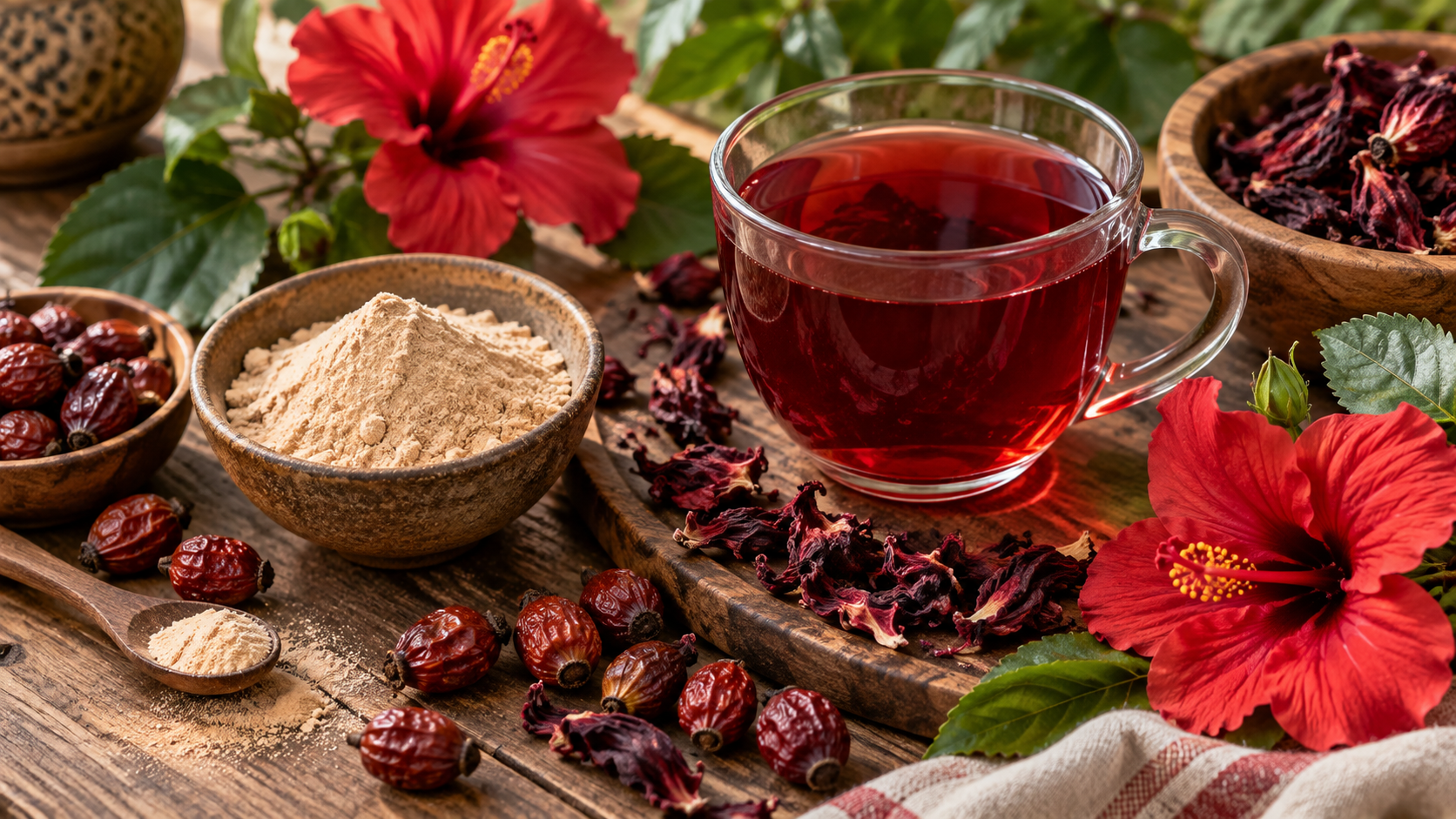
Hibiscus (Hibiscus sabdariffa) is one of the most widely consumed herbal teas in the world, known by many names — karkadé in Egypt, agua de jamaica in Mexico, and bissap in West Africa. Its deep crimson colour comes from anthocyanins — the same class of antioxidants found in blueberries and pomegranates — which are associated with cardiovascular protection and anti-inflammatory activity.
Clinical research has shown that hibiscus tea may help support healthy blood pressure levels. One study found that three daily cups of hibiscus tea produced results comparable to a starting dose of a common blood pressure medication, without the associated side effects. Hibiscus is also rich in vitamin C, beta-carotene, and flavonoids, and has been shown to elevate antioxidant levels in the bloodstream within an hour of consumption.
Research published in peer-reviewed journals (including studies reviewed in Phytomedicine and Journal of Nutrition) has also explored hibiscus's potential role in supporting liver health and metabolic balance — making it a genuinely multi-dimensional botanical.
Hibiscus & Ginger Iced Tonic Recipe
- 3 tablespoons dried hibiscus flowers
- 1 litre filtered water
- 2cm fresh ginger, sliced
- Juice of half a lemon or lime
- Raw honey or coconut sugar to taste
- Fresh mint leaves to serve
Method: Bring water to a boil. Add hibiscus flowers and ginger. Reduce heat and simmer gently for 5 minutes. Remove from heat and steep for a further 10 minutes. Strain, add citrus juice and sweetener while still warm, then allow to cool completely. Refrigerate and serve over ice with fresh mint. This makes a beautiful, vibrant spring drink that is as visually striking as it is nourishing.
For those with acid sensitivity: try a cold-brew version — combine hibiscus and ginger in cold water and refrigerate overnight. This reduces acidity while preserving the antioxidant content.
Baobab: Africa's Ancient Superfruit
The baobab tree (Adansonia digitata) is one of Africa's most iconic plants — ancient, vast, and deeply woven into the cultural and nutritional heritage of the continent. Its fruit pulp, which dries naturally inside the hard shell, has been consumed for generations across sub-Saharan Africa as a food, a medicine, and a source of everyday nourishment.
Baobab fruit pulp is now recognised internationally for its extraordinary vitamin C content — estimated at 280–300mg per 100g of pulp, which is approximately seven to ten times higher than that found in oranges. It was certified as Generally Recognised as Safe (GRAS) by the US Food and Drug Administration in 2009, and has since attracted significant research interest.
Beyond vitamin C, baobab is rich in soluble fibre (which supports gut health and may have prebiotic effects), polyphenols (which help regulate blood sugar response), calcium, potassium, and magnesium. Studies have shown that polyphenol-rich baobab extract can reduce starch digestion and the glycaemic response in humans — making it a particularly interesting botanical for those managing blood sugar balance.
Baobab Lemonade Recipe
- 2 tablespoons baobab powder
- 750ml cold filtered water
- Juice of 1 lemon
- 1–2 teaspoons raw honey or agave
- A pinch of sea salt
- Ice and fresh mint to serve
Method: Whisk baobab powder into a small amount of water first to form a smooth paste, then add remaining water, lemon juice, sweetener, and salt. Stir well and serve over ice. The flavour is naturally tangy and slightly citrusy — refreshing and hydrating for warm spring days.
Baobab powder can also be stirred into smoothies, yoghurt, or oat porridge for an everyday nutritional boost.
A Three-Plant Spring Wellness Blend
For those who want to bring all three botanicals together, this warming blend makes a beautiful morning ritual drink — rich in colour, flavour, and plant-based nourishment.
Rosehip, Hibiscus & Baobab Morning Elixir
- 1 tablespoon dried rosehip pieces
- 1 tablespoon dried hibiscus flowers
- 1 teaspoon baobab powder
- 500ml filtered water
- 1 cinnamon stick
- 1 teaspoon raw honey
- A squeeze of fresh lemon
Method: Bring water to just below boiling. Add rosehips, hibiscus, and cinnamon. Steep for 10 minutes. Strain into a mug. Whisk in baobab powder, then add honey and lemon. Sip slowly as a morning ritual — before breakfast, or alongside it. The colour is a deep, jewel-like crimson, and the flavour is bright, tart, and warming.
This blend provides a broad spectrum of plant-based vitamin C, anthocyanins, carotenoids, bioflavonoids, and soluble fibre — a genuinely nourishing way to begin a spring day.
Supporting Your Spring Wellness Routine
Herbal drinks are a wonderful foundation for seasonal wellness — but for those who want full support through the spring transition, complementary herbal and nutritional products can help complete the picture.
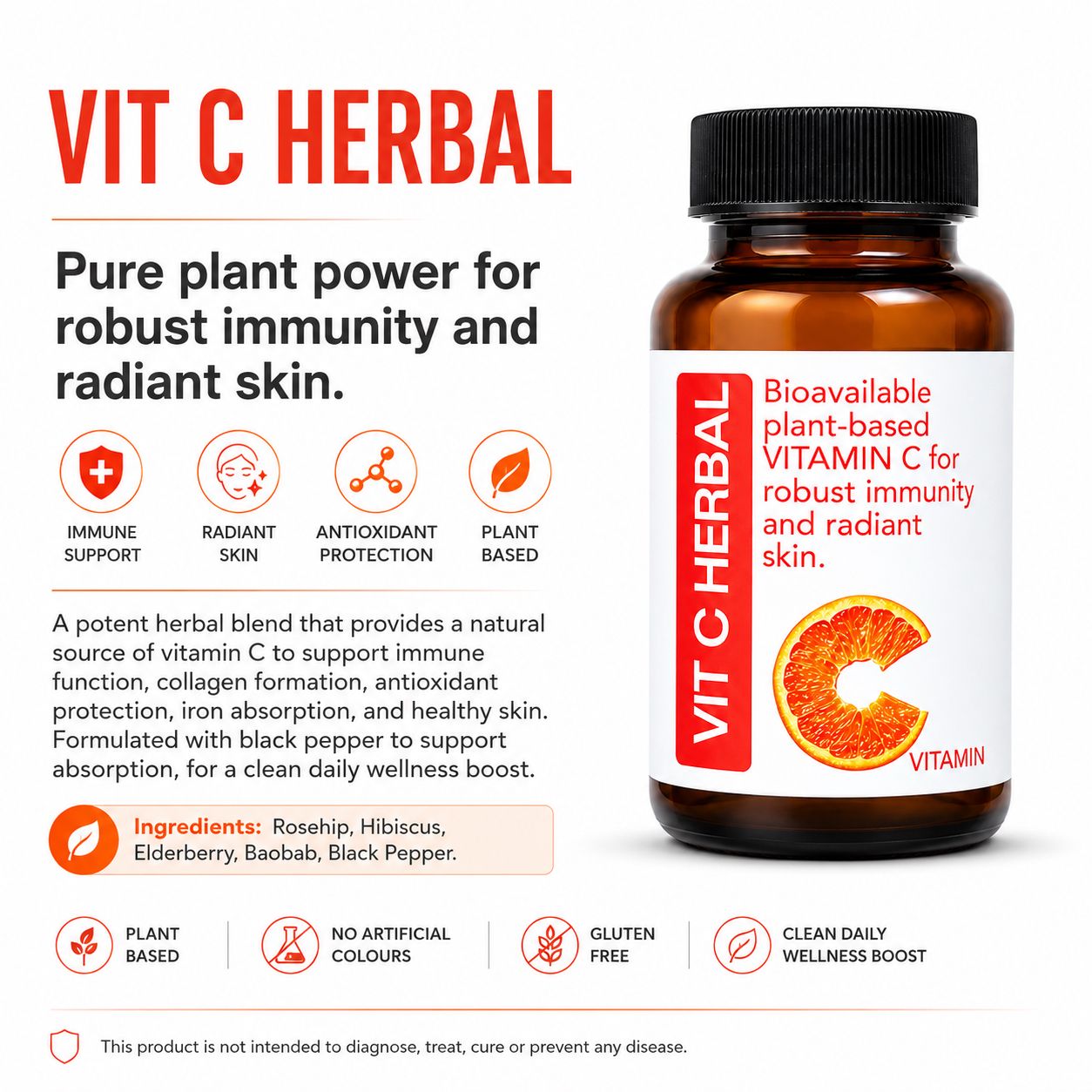
Our Vitamin C Herbal 60 Capsules bring together rosehip, hibiscus, elderberry, and baobab in a convenient daily capsule — a plant-based vitamin C formula that delivers the whole-food co-factors alongside the vitamin itself. It is a natural companion to your herbal drink ritual, offering consistent daily support even on days when you do not have time to brew.
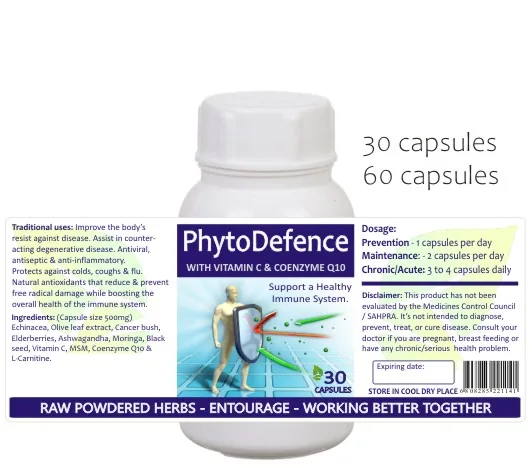
For broader seasonal immune support, Phyto Defence 60 Capsules combine vitamin C with coenzyme Q10, echinacea, olive leaf, elderberry, cancer bush, ashwagandha, and black seed — a comprehensive botanical and nutritional formula for everyday wellness through the changing seasons.
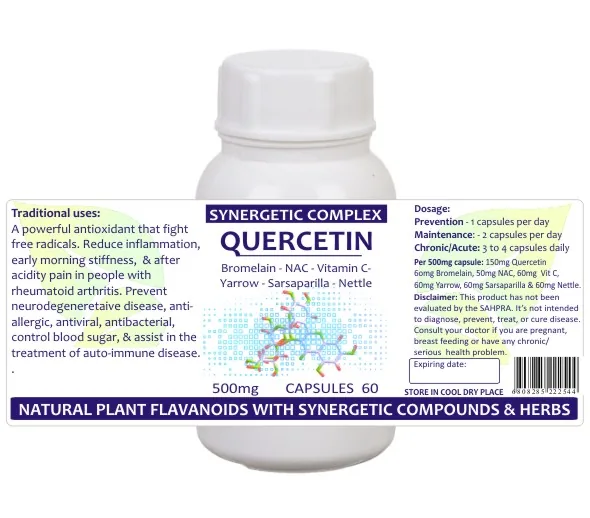
If you are looking for antioxidant depth, Quercetin Synergy Complex 60 Capsules pair quercetin with bromelain, NAC, vitamin C, yarrow, and nettle — a synergistic formula that goes deeper into antioxidant and anti-inflammatory support.
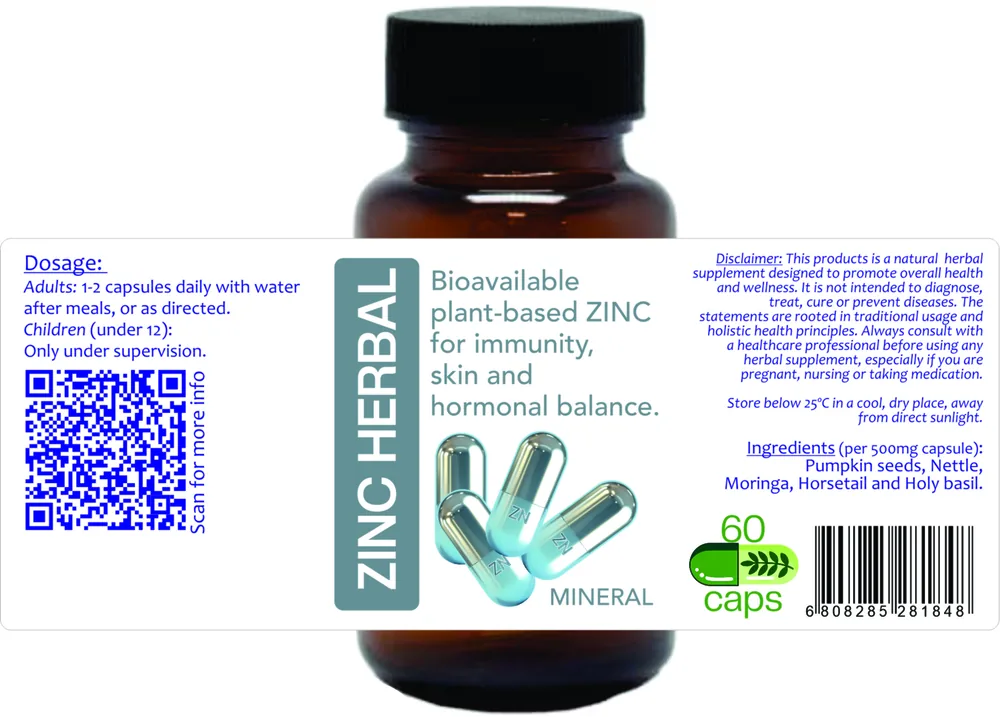
Zinc is another key mineral for spring immune wellness, and our Zinc Herbal 60 Capsules offer a bioavailable, plant-based zinc formula that works alongside vitamin C to support immune function, skin health, and hormonal balance.
For those who want everything together, the Immune Defence Bundle brings Immunotone and Phyto Defence into one daily general-wellness routine — full support for the season ahead.
What the Research Tells Us
The wellness properties of rosehip, hibiscus, and baobab are supported by a growing body of research:
- Rosehip and joint health: Clinical reviews have found that rosehip supplementation significantly reduces joint pain and improves mobility in people with osteoarthritis, attributed to galactolipid compounds with anti-inflammatory activity (Osteoarthritis and Cartilage, multiple reviews).
- Hibiscus and blood pressure: A study published in the Journal of Nutrition (2010) found that daily hibiscus tea consumption significantly reduced systolic blood pressure in pre-hypertensive and mildly hypertensive adults.
- Hibiscus antioxidant activity: Research has shown that hibiscus consumption elevates antioxidant levels in the bloodstream within one hour of drinking, reflecting rapid bioavailability of its anthocyanins and polyphenols.
- Baobab and glycaemic response: A study published in Nutrition Research found that polyphenol-rich baobab extract significantly reduced starch digestion and the glycaemic response in human participants.
- Baobab vitamin C content: Research has documented baobab fruit pulp vitamin C content at approximately 280–300mg per 100g — among the highest of any known fruit source.
It is important to note that much of the research on these botanicals uses concentrated extracts rather than standard tea preparations. The vitamin C content of brewed rosehip tea, for example, is lower than that of the raw fruit due to heat and processing. Whole-food supplementation and consistent dietary inclusion of these plants over time is the approach most aligned with traditional herbal wisdom and current nutritional understanding.
Safety & Disclaimer
Rosehip, hibiscus, and baobab are generally well-tolerated by healthy adults when consumed in food and beverage amounts. However, there are important considerations to be aware of:
- Pregnancy: Hibiscus has traditionally been considered an emmenagogue (a herb that may stimulate uterine activity) and is generally avoided during pregnancy. Rosehip tea also lacks robust safety data for pregnancy. Consult your healthcare provider before consuming these herbs regularly during pregnancy or breastfeeding.
- Blood pressure medication: Hibiscus may lower blood pressure. If you are taking antihypertensive medication, speak with your doctor before making hibiscus tea a daily habit.
- Blood thinners: High vitamin C intake from rosehip may interact with warfarin (Coumadin). If you are on blood-thinning medication, consult your healthcare provider.
- Kidney stones: Those with a history of oxalate kidney stones should moderate high-dose vitamin C intake from any source.
- Acid sensitivity: Both rosehip and hibiscus are naturally acidic. Those with GERD or acid reflux may prefer cold-brew preparations or smaller quantities.
The information in this post is educational and does not constitute medical advice. Always consult a qualified healthcare practitioner before making significant changes to your diet or supplement routine, particularly if you have an existing health condition or are taking medication.
Bringing It All Together
Spring is an invitation — to open, to nourish, to begin again. And the simplest rituals are often the most sustaining. A warm mug of rosehip and hibiscus in the morning. A cold baobab lemonade on a warm afternoon. A quiet moment with a plant that has been supporting human health for centuries.
These drinks are not complicated. They do not require special equipment or unusual ingredients. They ask only for a little time, a little intention, and a willingness to let the plant world do what it has always done — nourish, restore, and support the body through the seasons of life.
Whether you begin with a single recipe or build a full spring herbal drink ritual, the most important step is simply to start. Your body will thank you for it — one vibrant, crimson cup at a time.
Products Mentioned
Explore the products featured in this article