Cooking with Medicinal Mushrooms: Broths, Elixirs and Morning Tonics
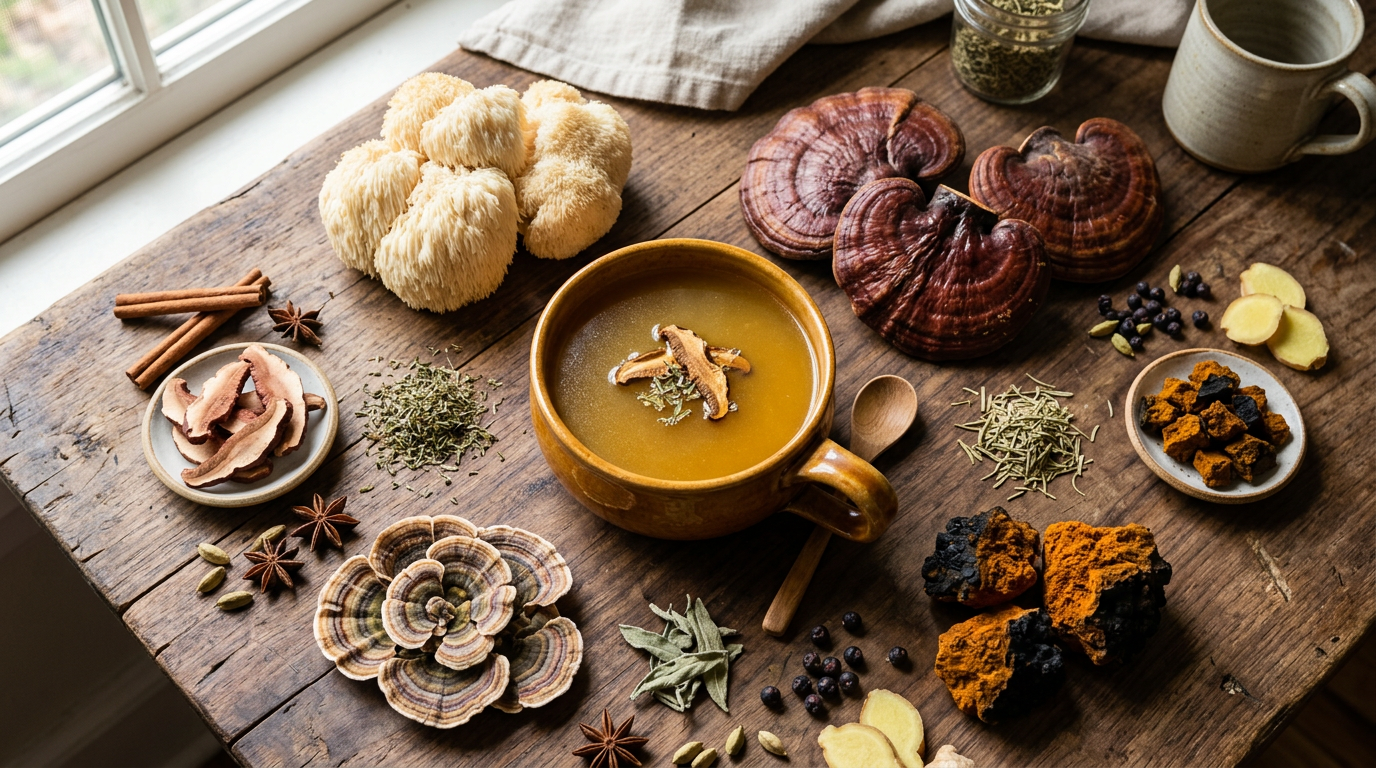
Cooking with Medicinal Mushrooms: Broths, Elixirs and Morning Tonics
There is something quietly powerful about a bowl of broth that has been simmering with Reishi, or a morning cup of Lion's Mane elixir that you made yourself. Medicinal mushrooms have been used in traditional food cultures across Asia, Eastern Europe, and indigenous communities for centuries — not as supplements, but as ingredients. They were stirred into soups, steeped into teas, and blended into warming drinks long before they appeared in capsule form.
Today, functional mushrooms are having a well-deserved moment in the wellness world. But beyond the powders and extracts, there is a deeply satisfying way to bring these remarkable fungi into your daily life: through your kitchen. This guide offers practical, nourishing recipes using four of the most studied medicinal mushrooms — Lion's Mane, Reishi, Chaga, and Turkey Tail — along with guidance on how to use mushroom extracts and powders when the whole mushroom isn't available.
Whether you are new to functional mushrooms or already familiar with their benefits, these recipes are designed to be simple, delicious, and genuinely supportive of your wellbeing. As spring arrives in South Africa and the days begin to warm, it is a wonderful time to refresh your wellness kitchen and explore what these ancient fungi have to offer.
Understanding Medicinal Mushrooms: What the Research Says
Before we get into the kitchen, it helps to understand what makes these mushrooms so interesting to researchers and wellness practitioners alike. Medicinal mushrooms are rich in bioactive compounds — primarily beta-glucans (a type of polysaccharide), triterpenoids, and antioxidant polyphenols — that interact with the body in meaningful ways.
Lion's Mane and Cognitive Support
Lion's Mane (Hericium erinaceus) contains unique compounds called hericenones (in the fruiting body) and erinacines (in the mycelium), which are hypothesised to stimulate Nerve Growth Factor (NGF) synthesis and support neuroplasticity. A 2023 randomised, double-blind, placebo-controlled trial published in Nutrients found that a single acute dose of Lion's Mane improved performance speed on cognitive tasks in healthy adults aged 18–45. Researchers noted a trend toward reduced subjective stress after 28 days of supplementation, though they emphasised that findings should be interpreted with caution given the small sample size. Larger, longer-duration trials are still needed to draw firm conclusions — but the biological mechanisms are genuinely compelling.
Reishi and Immune Modulation
Reishi (Ganoderma lucidum) is one of the most extensively studied medicinal mushrooms. A 2023 randomised, double-blind, placebo-controlled trial found that 200 mg/day of Reishi beta-glucan over 12 weeks produced significant increases in immune cell counts in healthy adults — including total lymphocytes (+14.1%), Natural Killer cell counts (+19.5%), and NK cell cytotoxic activity (+83.1%). A 2023 meta-analysis of 39 studies also found that Reishi, used alongside conventional treatments, may improve immune markers and quality of life. Reishi is traditionally used for calm, balance, and longevity — and modern research is beginning to understand why.
Chaga and Antioxidant Protection
Chaga (Inonotus obliquus) is exceptionally rich in polyphenols, melanin, and polysaccharides. Research published in Frontiers in Pharmacology (2023) and Food Science and Technology Research (2023) has documented Chaga's capacity to scavenge reactive oxygen species and protect cells from oxidative stress. One study found that a polyphenol-rich Chaga decoction suppressed ROS emission in human skin cells exposed to UV-A radiation by 50%. Chaga is traditionally used as a warming tea and is valued for its deep, earthy flavour.
Turkey Tail and Gut Health
Turkey Tail (Trametes versicolor) contains polysaccharides — particularly PSK (polysaccharide-K) and PSP (polysaccharide peptide) — that act as prebiotics, nourishing beneficial gut bacteria including Lactobacillus and Bifidobacterium. Research indicates that Turkey Tail may support microbial diversity and digestive balance. Because a significant portion of the immune system resides in the gut, this prebiotic action has broader implications for overall wellbeing. Turkey Tail is traditionally consumed as a tea or broth ingredient.
A Note on Using Mushroom Extracts in Recipes
Many medicinal mushrooms are not palatable in their raw or dried whole form — Reishi, Chaga, and Turkey Tail in particular are tough and woody. For cooking, you have two main options:
- Dried whole mushrooms or slices — best for long-simmered broths and teas where you strain out the solids
- Mushroom extracts or powders — concentrated and easy to stir into drinks, soups, and smoothies; look for dual-extracted products (hot water + alcohol extraction) for the most complete profile of bioactive compounds
Lion's Mane is the exception — it has a pleasant, seafood-like texture and can be sautéed and eaten directly. The recipes below specify which form works best for each mushroom.
Recipe 1: Reishi and Chaga Immune Broth
This deeply nourishing broth is inspired by traditional Asian medicinal soups. It is earthy, warming, and beautifully aromatic. Sip it as a standalone tonic, use it as a base for soups, or pour it over grains and vegetables. It is particularly lovely on cool spring evenings.
Ingredients
- 1.5 litres filtered water
- 2 tablespoons dried Reishi slices (or 1 teaspoon Reishi extract powder, added at the end)
- 1 tablespoon dried Chaga chunks (or 1 teaspoon Chaga extract powder, added at the end)
- 2 dried Shiitake mushrooms
- 3 cm piece of fresh ginger, sliced
- 2 cloves garlic, lightly crushed
- 1 stick cinnamon
- 1 tablespoon tamari or soy sauce (optional, for depth)
- 1 teaspoon raw honey (to serve)
- Fresh spring onion or coriander to garnish
Method
- Place the water, dried Reishi, Chaga, Shiitake, ginger, garlic, and cinnamon in a medium saucepan.
- Bring to a gentle boil, then reduce heat and simmer uncovered for 45–60 minutes. The longer it simmers, the deeper the flavour and the more bioactive compounds are extracted.
- Strain through a fine mesh sieve, pressing the solids gently to extract all the liquid.
- If using extract powders instead of whole mushrooms, whisk them into the strained broth now.
- Add tamari if using, and adjust seasoning.
- Serve warm in a mug or bowl, with a small drizzle of raw honey and fresh herbs.
Makes approximately 4 servings. Store in the fridge for up to 3 days and reheat gently.
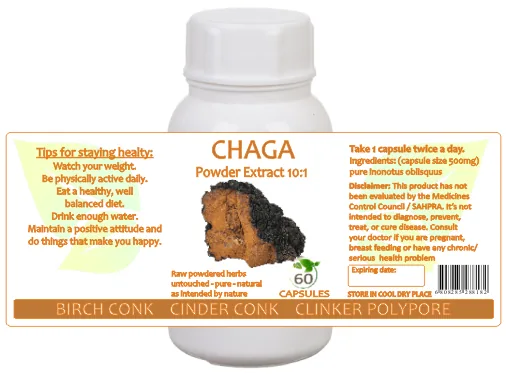
For full mushroom support, explore the Reishi Mushroom 10:1 Extract and Chaga Mushroom 10:1 Extract — both available as concentrated capsules for daily use alongside your kitchen preparations.
Recipe 2: Lion's Mane Morning Elixir
This golden, creamy morning drink is designed to support focus and mental clarity as you ease into your day. Lion's Mane extract powder blends beautifully with warm plant milk, a touch of honey, and warming spices. It is gentle, grounding, and genuinely delicious.
Ingredients
- 250 ml warm oat milk, almond milk, or full-cream milk
- 1 teaspoon Lion's Mane extract powder (or open 1–2 capsules)
- ½ teaspoon ground turmeric
- ¼ teaspoon ground cinnamon
- A pinch of black pepper (enhances turmeric absorption)
- 1 teaspoon raw honey or maple syrup
- ½ teaspoon vanilla extract (optional)
- A small knob of coconut oil or ghee (optional, for creaminess)
Method
- Warm your milk gently in a small saucepan — do not boil.
- Add the Lion's Mane powder, turmeric, cinnamon, black pepper, and coconut oil if using.
- Whisk vigorously until smooth and slightly frothy, or blend in a small blender for a creamier result.
- Remove from heat, stir in honey and vanilla.
- Pour into your favourite mug and enjoy immediately.
Serves 1. Best enjoyed in the morning or mid-morning.
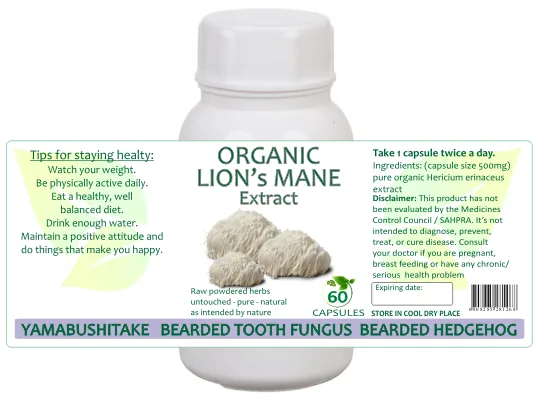
If you prefer the convenience of a daily capsule, Lion's Mane Organic Extract provides a consistent, concentrated dose of this remarkable nootropic mushroom.
Recipe 3: Turkey Tail and Ginger Gut-Support Tea
Turkey Tail is traditionally consumed as a tea — and for good reason. Its prebiotic polysaccharides are water-soluble, meaning a long, slow steep extracts exactly what you want. This recipe pairs Turkey Tail with ginger and lemon for a bright, warming digestive tonic that is perfect after meals or as an afternoon ritual.
Ingredients
- 500 ml filtered water
- 1 tablespoon dried Turkey Tail mushroom pieces (or 1 teaspoon Turkey Tail extract powder)
- 2 cm piece of fresh ginger, thinly sliced
- ½ lemon, juiced
- 1 teaspoon raw honey
- A few fresh mint leaves (optional)
Method
- Bring the water to a gentle boil in a small saucepan.
- Add the dried Turkey Tail pieces and ginger slices.
- Reduce heat and simmer for 20–30 minutes.
- Strain into a mug, pressing the solids to extract all the liquid.
- If using extract powder, whisk it into the strained tea now.
- Add lemon juice, honey, and mint if using.
- Sip slowly after a meal or as a mid-afternoon tonic.
Makes 2 cups. Can be made in larger batches and stored in the fridge for up to 2 days — reheat gently or enjoy cold.
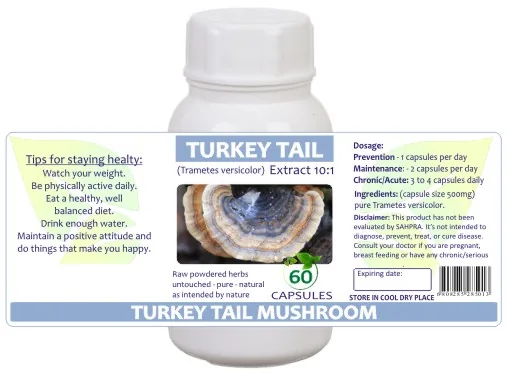
For daily gut support, Turkey Tail Mushroom Extract offers a convenient way to maintain consistent intake alongside your tea ritual.
Recipe 4: Four-Mushroom Warming Soup
This hearty, nourishing soup brings together Lion's Mane (sautéed for texture), Shiitake (for flavour and immune support), and mushroom extract powders for a deeply functional meal. It is warming, satisfying, and genuinely beautiful — the kind of soup that feels like self-care in a bowl.
Ingredients
- 200 g fresh Lion's Mane mushroom, torn into pieces (or 150 g Shiitake mushrooms if unavailable)
- 100 g dried Shiitake mushrooms, rehydrated and sliced (reserve the soaking water)
- 1 litre vegetable or chicken stock
- 1 teaspoon Reishi extract powder
- 1 teaspoon Turkey Tail extract powder
- 1 medium onion, finely diced
- 3 cloves garlic, minced
- 2 cm fresh ginger, grated
- 2 tablespoons olive oil or coconut oil
- 1 tablespoon tamari or soy sauce
- 1 teaspoon sesame oil (to finish)
- Fresh coriander, spring onion, and sesame seeds to serve
- Salt and white pepper to taste
Method
- Heat oil in a large pot over medium heat. Add onion and cook until soft and translucent, about 5 minutes.
- Add garlic and ginger, stir for 1 minute until fragrant.
- Add the Lion's Mane pieces and cook, stirring occasionally, for 5–7 minutes until golden and slightly caramelised.
- Add the rehydrated Shiitake slices and their soaking water (strained through a fine sieve to remove any grit).
- Pour in the stock and bring to a gentle simmer. Cook for 15 minutes.
- Remove from heat and whisk in the Reishi and Turkey Tail extract powders, tamari, and sesame oil.
- Season with salt and white pepper.
- Serve in deep bowls, topped with fresh coriander, spring onion, and sesame seeds.
Serves 4. Excellent as a light lunch or starter.
For those who want the full spectrum of medicinal mushroom support in one convenient system, the Mushroom Power Bundle — featuring Lion's Mane, Reishi, Cordyceps, Turkey Tail, and the 9-Mushroom Syrup — brings everything you need together in one daily routine.
Tips for Cooking with Mushroom Extracts
If you are using capsule-form mushroom extracts in your recipes, here are a few practical tips:
- Add extracts off the heat — high temperatures can degrade some bioactive compounds. Stir powders into warm (not boiling) liquids.
- Start with small amounts — mushroom extracts are concentrated. Begin with ½ teaspoon and adjust to taste.
- Pair with fats — some triterpenoids in Reishi are fat-soluble. Adding a small amount of coconut oil, ghee, or nut butter to your drinks and soups may support absorption.
- Consistency matters — the research on medicinal mushrooms consistently shows that benefits accumulate over time with regular use. Daily rituals — a morning elixir, an evening broth — are more effective than occasional use.
- Combine with whole foods — mushrooms work beautifully alongside other anti-inflammatory, gut-supportive foods: fermented vegetables, leafy greens, quality proteins, and healthy fats.
Safety, Interactions, and Who Should Take Care
Medicinal mushrooms are generally well-tolerated by healthy adults, but there are important considerations to keep in mind:
- Allergies: Anyone with a known mushroom or mould allergy should avoid medicinal mushrooms and consult a healthcare provider before use.
- Immunosuppressive medications: Reishi and Turkey Tail have immunomodulatory effects. If you are taking immunosuppressant medications (for example, after an organ transplant), speak with your doctor before adding medicinal mushrooms to your routine.
- Anticoagulants: Reishi may have mild antiplatelet effects. Those on blood-thinning medications should seek medical advice.
- Pregnancy and breastfeeding: There is insufficient clinical evidence to confirm safety during pregnancy or breastfeeding. Consult your healthcare provider.
- Quality matters: Source your mushroom products from reputable suppliers who use dual-extraction methods and test for heavy metals. Mushrooms can accumulate environmental contaminants, so quality sourcing is essential.
- Mild digestive symptoms: Some people experience mild bloating or digestive discomfort when first introducing medicinal mushrooms. Start with small amounts and increase gradually.
The information in this article is for educational purposes only and does not constitute medical advice. Always consult a qualified healthcare practitioner before making significant changes to your health routine, particularly if you have an existing medical condition or are taking medication.
Bringing It All Together: Your Mushroom Kitchen Ritual
The beauty of cooking with medicinal mushrooms is that it transforms your wellness practice into something sensory and grounding. There is a different quality of attention that comes from simmering a broth, whisking a morning elixir, or steeping a cup of Turkey Tail tea — it is a moment of care, not just a supplement to swallow.
Start with one recipe that appeals to you. Perhaps the Lion's Mane Morning Elixir fits naturally into your morning routine, or the Reishi and Chaga Immune Broth becomes your Sunday ritual. Over time, you may find yourself reaching for these preparations the way you reach for your morning coffee — not because you have to, but because they make you feel genuinely well.
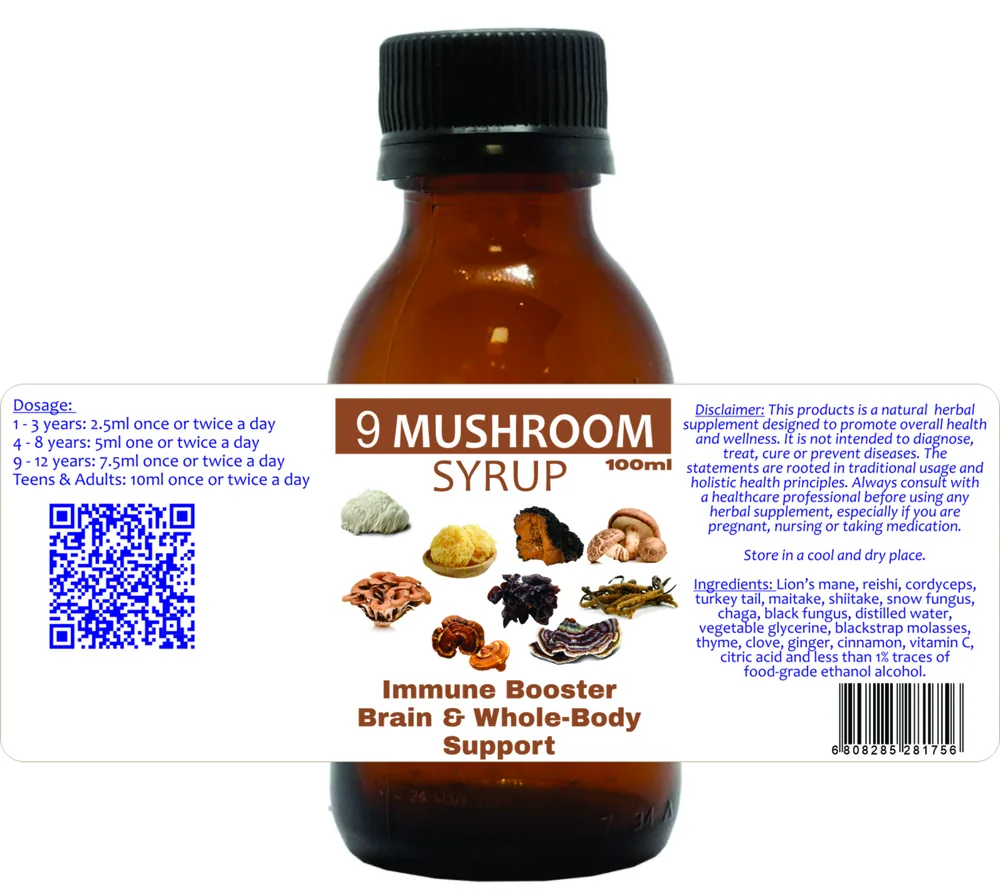
For those who want to go deeper into daily mushroom support, the 9 Mushroom Syrup offers a broad-spectrum blend suitable for both adults and children — a simple daily addition that complements your kitchen preparations beautifully.
Medicinal mushrooms are not a quick fix. They are an invitation to a slower, more intentional relationship with your health — one that honours the wisdom of traditional food cultures while drawing on the growing body of modern research. Your kitchen is a wonderful place to begin.
Products Mentioned
Explore the products featured in this article