Vitamin D South Africa: Sunshine, Food & Balance

Vitamin D South Africa: why the sunshine question matters
South Africa is known for its generous sunshine, so it is easy to assume that vitamin D is simply part of everyday life here. In reality, vitamin D South Africa conversations are more nuanced. Sun exposure, skin tone, season, clothing, indoor routines, sunscreen habits, and geography all influence sunshine vitamin levels.
Vitamin D is often called the sunshine vitamin because the body can make it when skin is exposed to sunlight. That sounds straightforward, but daily life is rarely that simple. Many people spend much of the day indoors, and when the sun is strong, people naturally seek shade or cover up. At the same time, food intake can vary, and only a modest range of foods naturally contain meaningful amounts.
That is why this nutrient deserves a closer look. Not as a trend, and not as a quick fix, but as part of a balanced wellness picture.
How sunshine vitamin levels are shaped in daily life
The sun in South Africa is not one single experience. A person in Cape Town, Durban, Johannesburg, or a rural area may have very different routines and very different exposure patterns. Sunshine vitamin levels are influenced by a mix of practical factors:
Even for people who love the outdoors, modern routines can reduce regular sun exposure. Office work, driving, commuting, and school schedules often mean the skin is not outdoors long enough to make much vitamin D. This is one reason vitamin D deficiency South Africa is discussed more often than many expect in such a sunny country.
The main wellness takeaway is simple: sunshine is helpful, but sunshine alone is not always enough to keep vitamin D intake steady throughout the year.
Food sources and the role of everyday nourishment
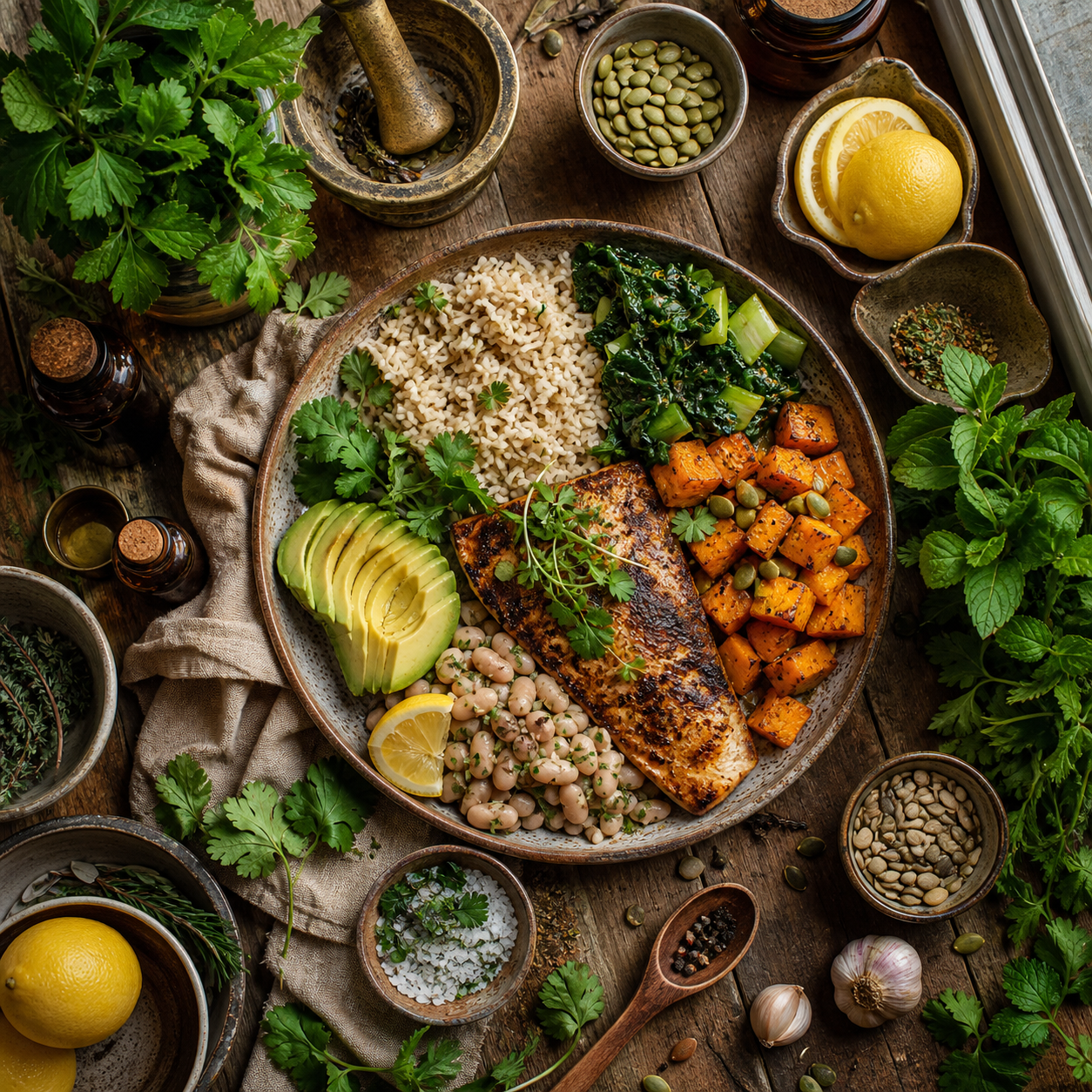
Sunlight may do the heavy lifting, but food still matters. A nourishing eating pattern adds another layer of support for overall vitamin D intake. Natural sources include:
Because food sources are limited, many people benefit from thinking about vitamin D as part of the broader nutrition picture rather than a stand-alone nutrient. Balanced meals that include healthy fats can also support the body’s natural use of fat-soluble nutrients.
In a South African kitchen, practical choices can be simple. Tinned pilchards on toast, eggs with vegetables, mushrooms in a stir-fry, or a meal that includes dairy or fortified alternatives can all contribute to a more nutrient-dense routine. It is not about perfection. It is about consistency and everyday nourishment.
Vitamin D and K2: a thoughtful nutrient pairing
When vitamin D is part of a supplement conversation, vitamin D and K2 often come up together. These two nutrients are frequently discussed as a pair in wellness circles because they each play different roles in the body’s mineral balance.
Vitamin D supports the body’s use of calcium, while vitamin K is involved in how calcium is directed and used. That is why some people prefer to think in terms of a combined approach rather than focusing on a single nutrient in isolation.
A vitamin D and K2 product may be considered when someone wants a more rounded supplement routine, especially if food intake and sun exposure are inconsistent. As with any supplement choice, the best approach is personal and practical: consider daily habits, diet variety, and the broader wellness picture before deciding what fits.
Everyday habits that help support healthy routines
The most useful approach is usually the simplest one. Small habits can help support a steadier rhythm around vitamin D South Africa wellness:
Get daylight into the day
A short walk, gardening, or a few quiet minutes outdoors can help bring more natural light into the routine. In many cases, regular outdoor time is more realistic than trying to “catch up” all at once.
Build meals with variety
Include protein, vegetables, healthy fats, and nutrient-rich foods often. This supports overall vitality, not just one nutrient.
Notice seasonal shifts
Winter routines often look different from summer routines. Less outdoor time, heavier clothing, and shorter days can all affect sunshine vitamin levels.
Keep supplement use sensible
If a supplement is part of a wellness plan, choose a product that fits the wider routine. For example, a balanced mineral support option such as Magnesium & Zinc may suit people who are looking to round out general wellbeing, while vitamin-focused products are best viewed as one part of a broader lifestyle approach.
Think long term
Nutrients work best when they are part of steady habits. That means sleeping well, moving regularly, eating well, and making time for daylight where possible.
A grounded South African perspective on vitamin D
The sunshine question in South Africa is a good reminder that climate alone does not tell the whole story. A sunny country can still have everyday patterns that leave vitamin D intake less consistent than expected. That does not need to feel alarming. It simply highlights the value of awareness.
A thoughtful approach to vitamin D South Africa living is about balance:
At Medicine Like Food, we like to keep wellness practical and grounded. The goal is not to chase perfection. It is to build habits that help you feel supported, steady, and well cared for in everyday life.
If this article has helped make the vitamin D conversation feel clearer, explore more helpful wellness reading on our blog for down-to-earth nutrition guidance and South African living.
Explore more on our [Nutrition blog](/blog?category=nutrition) — practical, everyday guidance on food and nutrients.
Frequently Asked Questions
Why is vitamin D South Africa such a common topic?+
South Africa has strong sunshine, but daily routines, season, skin tone, clothing, and indoor living can all influence sunshine vitamin levels. That is why the topic comes up so often in everyday wellness conversations.
What foods are usually linked with vitamin D?+
Fatty fish, egg yolks, liver, fortified foods, and UV-exposed mushrooms are among the better-known sources. These foods can be part of a varied eating pattern that supports overall nourishment.
Why do people talk about vitamin D and K2 together?+
Vitamin D and K2 are often discussed as a pair because they each play different roles in mineral balance. Some people include them together as part of a more rounded supplement routine.
Can daylight still matter if most of the day is spent indoors?+
Yes. Regular outdoor time can contribute to a healthier rhythm of daylight exposure, even when work or study keeps most of the day indoors. Small, consistent outdoor moments are often easier to maintain than occasional longer outings.