Echinacea and Elderberry: Classic Seasonal Support Herbs
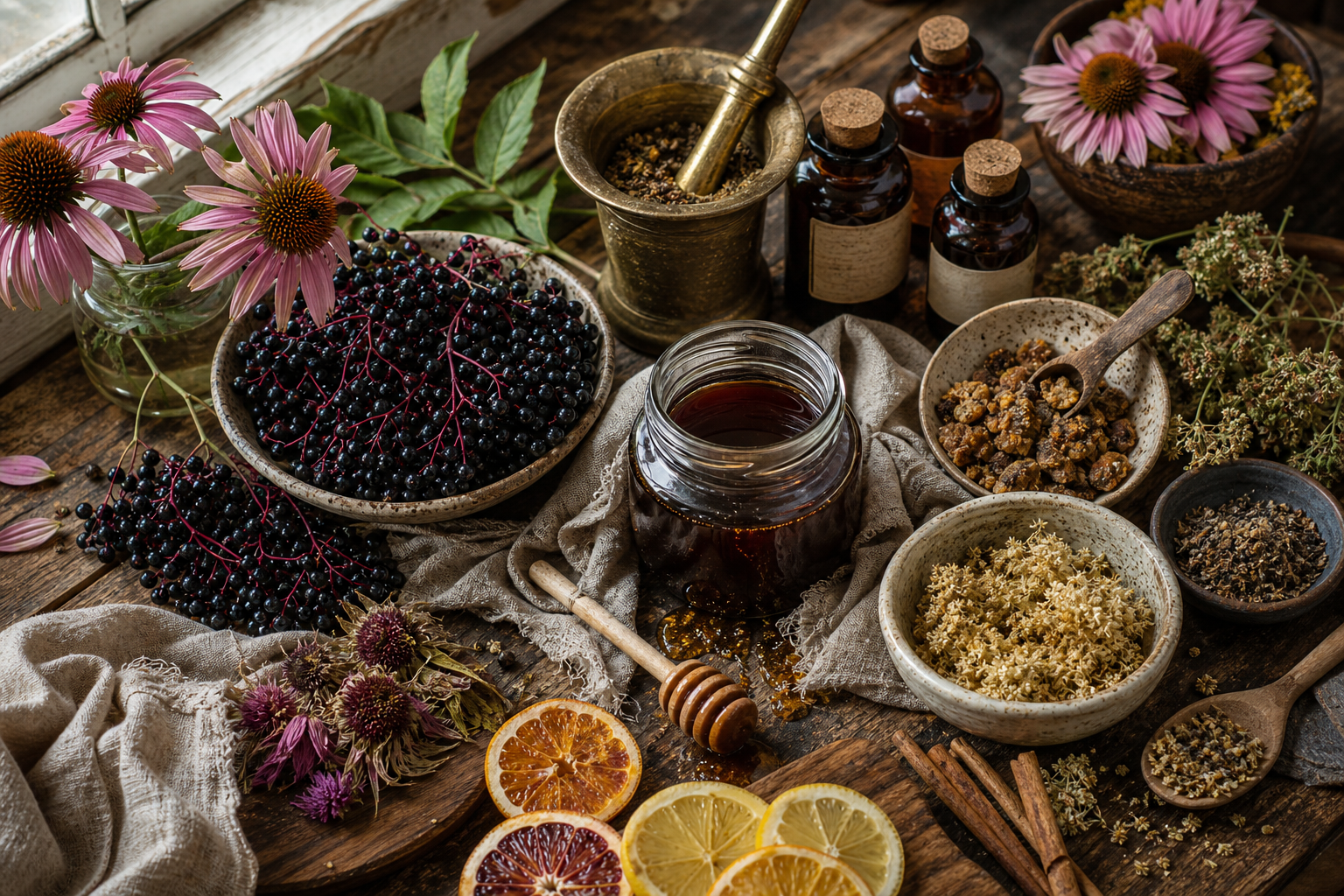
A steady seasonal routine often starts with a few well-chosen herbs.
Echinacea and elderberry have long been part of herbal cupboards because they’re simple, familiar, and easy to weave into everyday wellness. In South Africa, where the weather can shift quickly from warm afternoons to chilly mornings, seasonal support herbs South Africa families reach for are often the ones that feel practical, comforting, and easy to use. This article looks at how these herbs are traditionally used, what makes them so popular, and how they can fit into a gentle, nourishing routine.
Why echinacea and elderberry remain so popular
Some herbs stay relevant because they’re fashionable, while others stay relevant because people return to them year after year. Echinacea and elderberry belong to the second group.
Both herbs are commonly associated with seasonal wellness, especially during times of year when many people like to keep their routines a little more grounded. They’re also versatile. You’ll find them in teas, syrups, tinctures, capsules, and blends, which makes them easy to choose based on preference and lifestyle.
What people appreciate most is probably their simplicity. There’s no complicated ritual required. A warm cup, a syrup in the morning, or a capsule with breakfast can be enough to make the habit feel steady and supportive.
Echinacea traditional use: a closer look
Echinacea has a long history in traditional herbal use, particularly in North American botanical traditions. Over time, it became widely known as one of the classic seasonal support herbs because it’s often included in everyday wellness routines during colder months.
When people talk about echinacea traditional use, they’re usually referring to its place in heritage herbal practice rather than a quick fix mindset. It’s one of those plants that has been valued for generations because it fits beautifully into a balanced, common-sense routine.
Common ways echinacea is used
Echinacea is often found in:
Its earthy, slightly floral character makes it a natural fit in blends that also include warming herbs and fruit-based botanicals. Many people enjoy it as part of a morning or midday ritual, especially when they want their routine to feel more intentional.
Elderberry uses in everyday wellness
Elderberry is probably one of the best-known berries in the herbal world, and with good reason. Elderberry uses have traditionally centred on seasonal wellness, especially in syrups, cordials, teas, and lozenges.
The berry’s deep purple colour and rich flavour have made it a favourite in home preparations for years. It pairs well with honey, ginger, cinnamon, and citrus, which is one reason elderberry syrup is so widely loved. It feels both practical and comforting, and it’s easy to incorporate into family routines.
Why elderberry is such a favourite
Elderberry is popular because it offers:
It’s also one of those ingredients that feels naturally at home in a South African kitchen. Whether mixed into warm drinks or taken as a syrup, it brings a sense of ease to everyday wellness.
How to build a seasonal support routine in South Africa
A good routine doesn’t need to be complicated. In fact, the most sustainable habits are often the simplest ones. When choosing seasonal support herbs South Africa households often look for products that are easy to keep on hand, easy to take, and easy to enjoy.
Here are a few gentle ways to think about it:
1. Match the format to the moment
Some people prefer a soothing tea in the evening. Others like a syrup that fits neatly into the morning routine. Capsules can be convenient for busy schedules, while liquid extracts are useful for those who like flexible dosing formats.
2. Pair herbs that work well together
Echinacea and elderberry are often used alongside other traditional botanicals such as propolis, ginger, and citrus peel. These combinations are popular because they create a layered, seasonal feel that’s both familiar and enjoyable.
3. Keep the routine steady
Herbs often work best as part of a broader rhythm: enough sleep, regular meals, hydration, movement, and time outdoors when possible. Seasonal wellness tends to be built quietly, not rushed.
4. Choose quality and simplicity
A short ingredient list can be a lovely place to start. Look for products that feel transparent, well-made, and easy to understand.
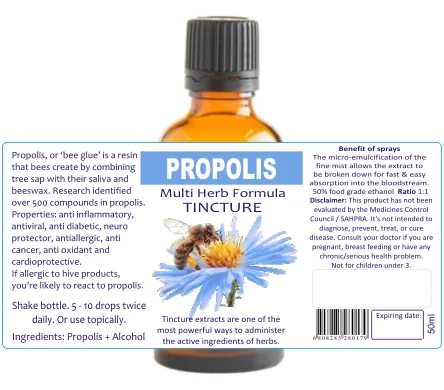
For example, a bee-derived seasonal formula such as Propolis 50ml can be a thoughtful companion in a warmer, earthier support routine, especially when combined with herbs like elderberry and echinacea in a broader wellness cupboard.
Other classic herbs that often share the shelf
Echinacea and elderberry are stars in their own right, but they’re also part of a wider herbal family that people often keep nearby for seasonal balance.
Propolis
Propolis is a traditional bee product valued in seasonal routines. It pairs especially well with herbs and syrups because it brings a rich, resinous depth to the cupboard.
Ginger
Ginger is one of the most familiar warming herbs and is often enjoyed in teas, tonics, and kitchen remedies for everyday comfort.
Cinnamon
Cinnamon adds warmth and aroma, which makes it a natural companion in elderberry syrups and spiced herbal blends.
Thyme and sage
These kitchen herbs have a long history in home wellness practices and are often brewed into teas or used in steam rituals.
When these herbs are combined thoughtfully, the result is a cupboard that feels both practical and nourishing.
A simple way to think about seasonal support
The beauty of herbs like echinacea and elderberry is that they don’t need to be treated as dramatic or exotic. They’re everyday allies, rooted in tradition and easy to use with intention.
A few gentle principles can help:
That’s often where the value lies: not in doing more, but in doing the right things calmly and consistently.
This content is for general wellness information only and is not intended as medical advice.
If you’re building a seasonal cupboard, echinacea and elderberry are a beautiful place to begin. Explore more herbal guides on the Medicine Like Food blog for practical ideas, ingredient insights, and everyday inspiration.
Read more about the plants we love on our [Herbs & Plants journal](/blog?category=herbs) — traditional botanicals explained simply.
Frequently Asked Questions
What makes echinacea and elderberry such a classic seasonal pairing?+
They’ve both earned a place in traditional seasonal wellness because they’re easy to use, widely loved, and simple to combine in teas, syrups, and capsule formats.
What are some common elderberry uses?+
Elderberry uses often include syrups, teas, cordials, and lozenges, especially in routines that focus on comfort and seasonal balance.
How is echinacea traditionally used?+
Echinacea traditional use centres on seasonal herbal routines, with the herb commonly prepared as tea, tincture, or capsules in traditional wellness settings.
Can seasonal support herbs fit into a busy routine?+
Yes. Many people choose simple formats like syrups or capsules because they’re easy to keep on hand and fit neatly into breakfast or evening rituals.
Products Mentioned
Explore the products featured in this article