Antioxidant Foods: Colour, Polyphenols & Everyday Eating
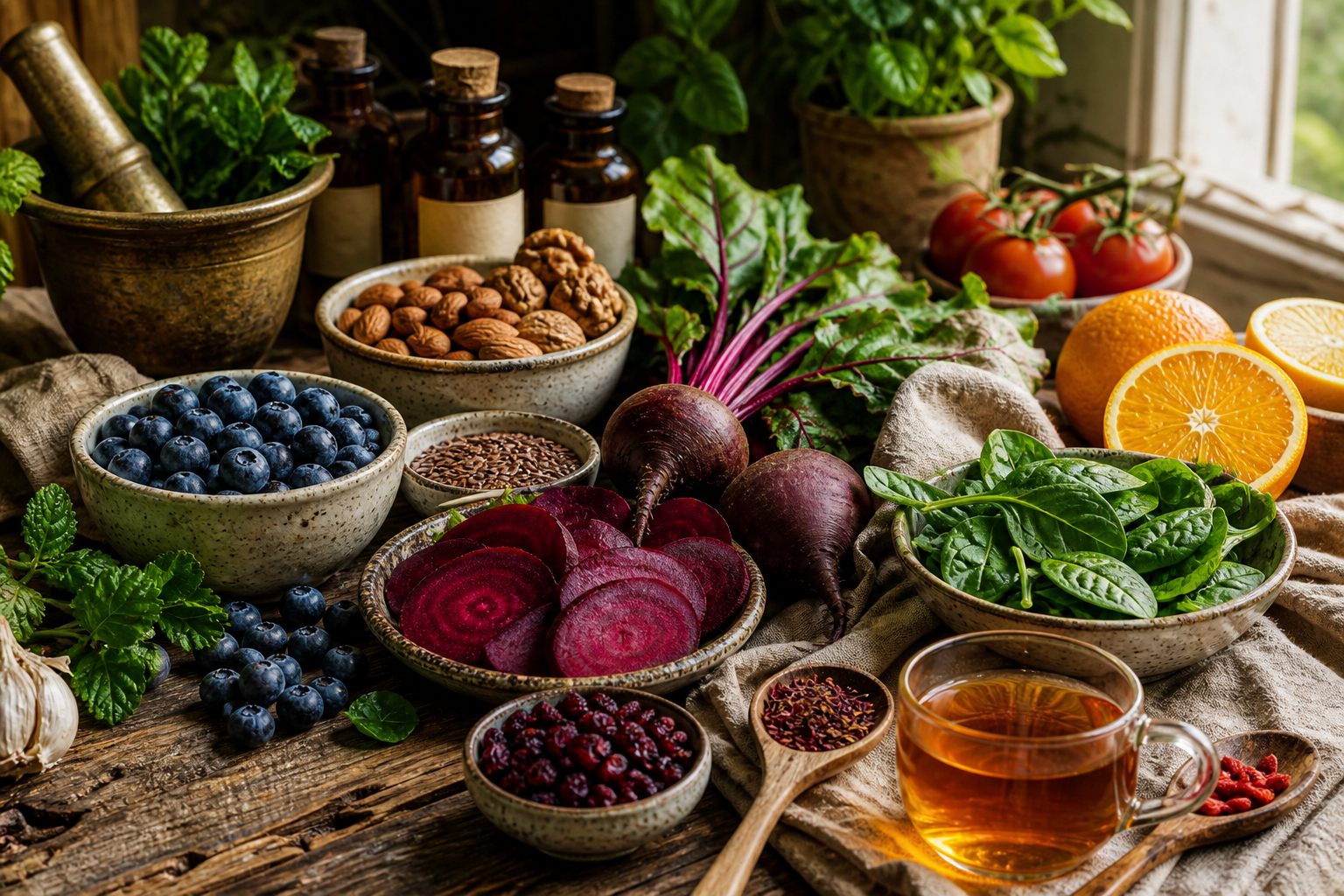
Feeling energised often starts with the colours on the plate.
A vibrant mix of fruit, vegetables, herbs, nuts, and seeds brings more than beauty to meals; it also brings a wide range of plant compounds that support everyday wellbeing. When people talk about antioxidants in diet, they’re often referring to this broad family of naturally occurring compounds, especially polyphenols, flavonoids, carotenoids, and vitamins found in ordinary foods. The good news is that eating well doesn’t have to be complicated, expensive, or full of rules.
What antioxidant foods really bring to the table
Antioxidant foods are simply foods that contain plant compounds and nutrients that help the body handle everyday oxidative stress. That’s a normal process that happens all the time in the body, especially through movement, digestion, sunlight exposure, and the general pace of life.
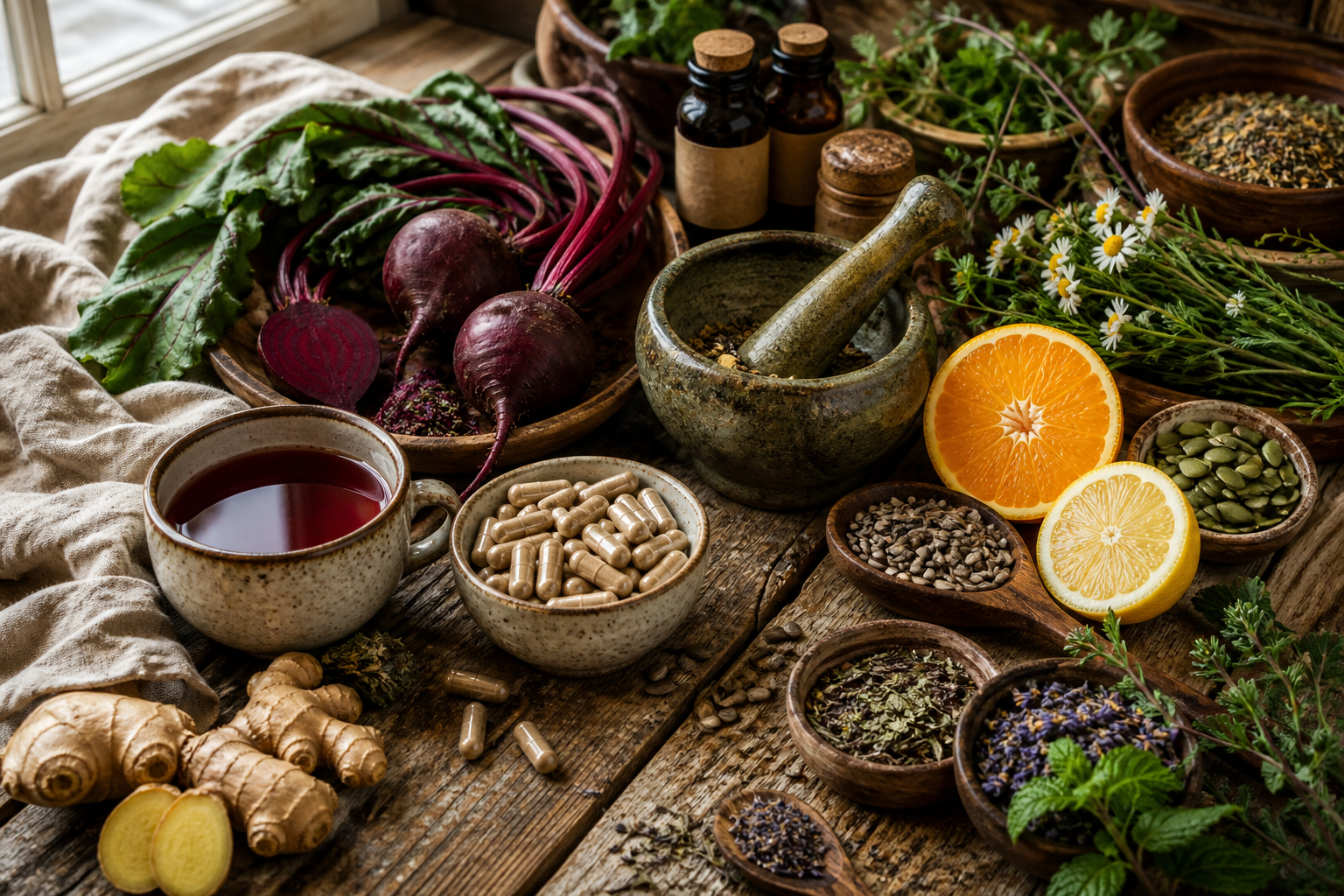
Rather than thinking in extremes, it helps to think in variety. The more diverse the plate, the more diverse the protective plant compounds. That means berries, beetroot, spinach, cabbage, herbs, citrus, nuts, seeds, beans, and even good-quality tea can all play a role.
A few common categories worth knowing:
The beautiful part is that these foods often overlap. A bowl of oats with cinnamon, nuts, and berries can offer fibre, texture, and a range of plant compounds in one simple breakfast.
Eating the rainbow without overthinking it
“Eating the rainbow” is one of the easiest ways to build a plate with more natural plant diversity. It doesn’t mean every meal must look perfect or that every colour must appear in one bowl. It simply means choosing a few different colours across the day, and across the week.
Why colour matters
Different colours often signal different plant compounds:
In South Africa, this can look wonderfully practical. Think chakalaka with extra peppers, spinach folded into a samp dish, roasted butternut with herbs, or a fruit bowl using what’s in season. Fresh food doesn’t have to be fancy to be powerful.
Polyphenol rich foods South Africa can enjoy every day
Polyphenols are a large family of plant compounds found in many everyday foods. They’re part of what makes berries tart, rooibos rich, onions pungent, and dark chocolate deeply flavoured. If you’re exploring polyphenol rich foods South Africa has readily available, the list is longer than many people expect.
Everyday local-friendly picks
These foods fit naturally into South African eating patterns. A bean stew, a tomato-and-onion base, a rooibos cup in the afternoon, or a breakfast topped with seeds all contribute to antioxidants in diet in a way that feels ordinary, affordable, and sustainable.
Simple meal ideas that make colour feel effortless
The best food habits are usually the ones you can repeat without much effort. Instead of building a perfect menu, focus on small combinations that add colour and plant variety to meals you already enjoy.
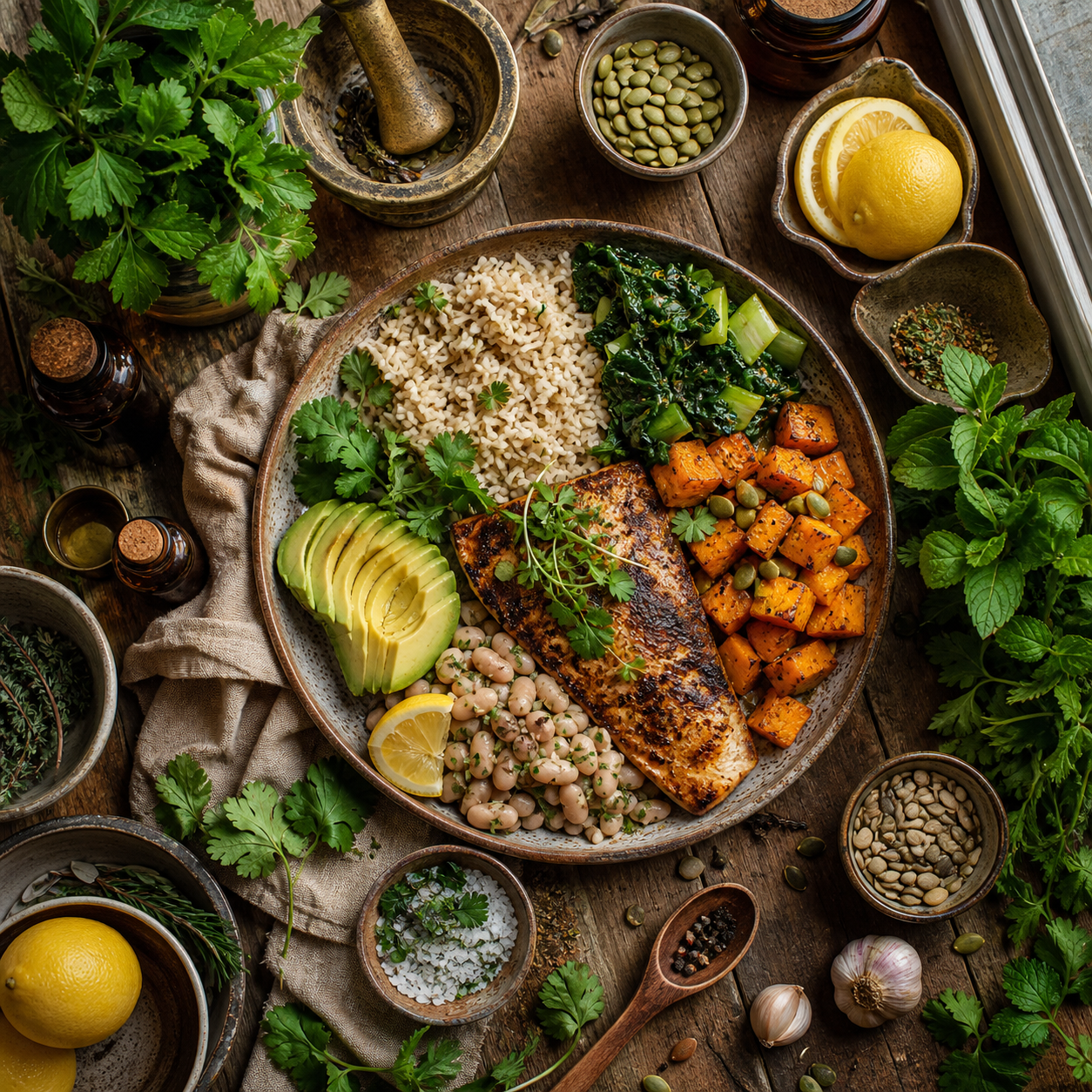
Easy plate builders
A useful approach is to ask a simple question at mealtimes: what colour is missing here? That one question often makes meals more interesting and more nourishing without creating extra work.
If a morning meal is usually beige, add fruit. If lunch is usually light on vegetables, add a crunchy salad or a tomato side. If dinner feels repetitive, bring in a herb, a spice, or a different vegetable. These small shifts add up beautifully.
A steady, realistic approach works best
There’s no need for perfection when it comes to antioxidant foods. A steady pattern of varied meals tends to matter more than chasing any single ingredient.
A balanced approach might look like this:
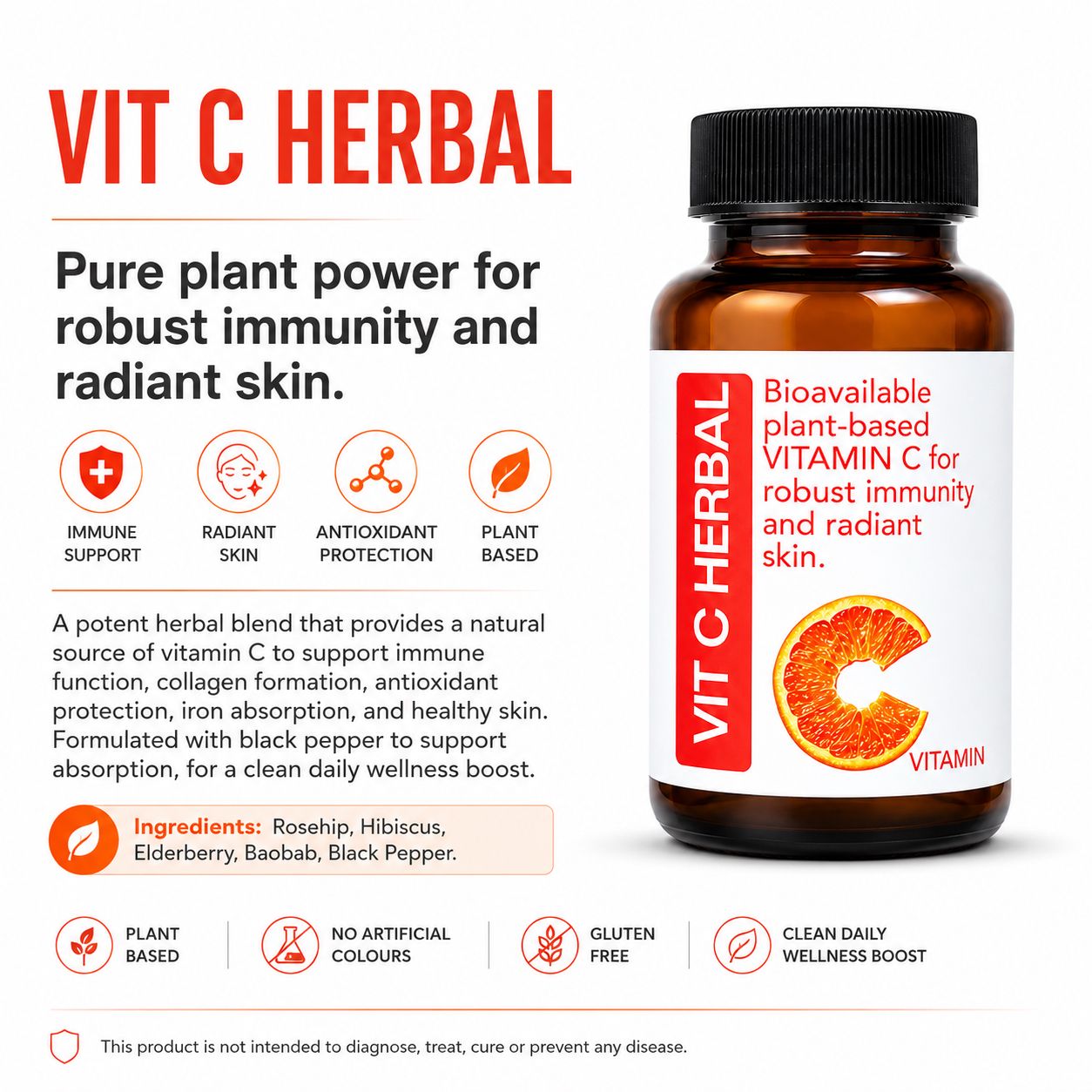
For people who enjoy a wellness routine with extra support, products like **Quercetin Synergy Complex**, **Vitamin C Herbal 60 capsules**, or **Selenium Herbal 60 capsules** may fit naturally into a broader self-care plan. They’re best viewed as additions to a nourishing lifestyle, not replacements for real food. Food remains the foundation.
What matters most is consistency. A colourful breakfast, a veggie-rich lunch, and a thoughtfully built dinner create a strong everyday rhythm. That rhythm can support you far more beautifully than pushing for sudden, dramatic changes.
Bringing antioxidant foods into a South African kitchen
South African kitchens are already well placed for this kind of eating. From pap and relish to curry, stew, salad, and braai sides, there are many familiar ways to add more colour, more plants, and more natural flavour.
A few practical pantry and fridge staples can make it much easier:
The aim isn’t to create a special diet. It’s to make the everyday plate a little more vibrant, a little more varied, and a lot more enjoyable. Over time, those small choices become a nourishing rhythm.
This content is for general wellness information only and is not intended as medical advice.
If you’d like more grounded guidance on everyday nourishment, colour, and natural wellbeing, explore more of our blog for simple ideas you can bring into your kitchen this week.
Explore more on our [Nutrition blog](/blog?category=nutrition) — practical, everyday guidance on food and nutrients.
Frequently Asked Questions
What are antioxidant foods in everyday eating?+
Antioxidant foods are foods rich in plant compounds and nutrients that help support the body’s natural balance. Fruit, vegetables, herbs, nuts, seeds, legumes, tea, and spices are all common examples.
What does eating the rainbow mean?+
Eating the rainbow means choosing a mix of colourful foods across the day and week. Different colours often bring different plant compounds, so variety is the real goal.
Which polyphenol rich foods are easy to find in South Africa?+
Rooibos, citrus, onions, garlic, leafy greens, berries, beans, nuts, seeds, and herbs are all easy ways to include polyphenol rich foods South Africa often has on hand.
How can antioxidant foods fit into a busy routine?+
Keep a few simple staples on hand, like frozen berries, spinach, beans, seeds, and rooibos tea. Small additions to meals usually work better than complicated plans.
Products Mentioned
Explore the products featured in this article